
The Iran war may have sent geopolitical shockwaves around the world, but Raymond James says that its advisors are not seeing any knee-jerk reactions from their clients.
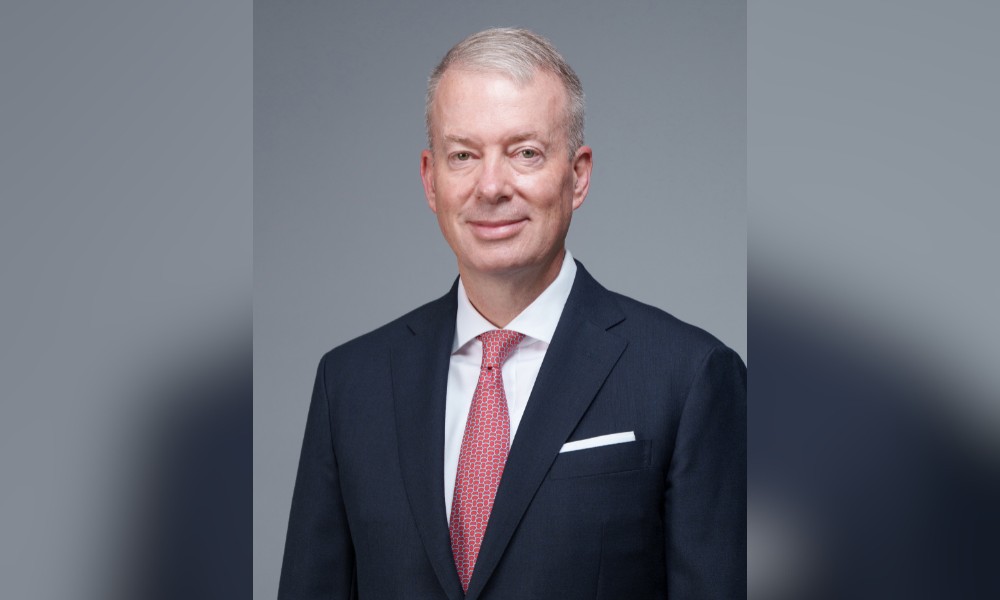
Tash Elwyn, president of Raymond James’s private client group told InvestmentNews, that he has had conversations with advisors this week who have told him that their clients are “steady” through the tumultuous events of the last few days.
“While no two crises are the same, in many ways, clients, particularly as the news cycle has just become so accelerated, investors are more conditioned to these events than at any time in history,” he said, during the interview in New York. “That, coupled with advisors are telling me that they are being really front-footed with their clients in terms of proactively communicating to them and the firm is being very front footed in that regard as well.”
Elwyn said that by Sunday evening, Raymond James already had thought capital going out to advisors and had a conference call with a view of “inside the Beltway" that discussed the events from a political standpoint, as well as the investment repercussions and factors such as the impact on the price of oil.
The expanding conflict sent oil prices surging earlier this week amid concerns about the Strait of Hormuz, a vital chokepoint for global oil supply. The war also sparked a sell off in stocks earlier this week with the Dow Jones Industrial Average, the S&P 500 index and the Nasdaq Composite all slipping.
However, the Dow Jones Industrial Average is up about 290 points Wednesday, while the S&P 500 has risen 0.8% and the Nasdaq Composite is up more than 1%.
“We ensure at all times, that we’re trying to arm advisors as well as we can, as proactively as we can, so that they can have those conversations with their clients,” said Elwyn, who leads Raymond James' domestic wealth management businesses that include nearly 9,000 employee and independent financial advisors.
“In many cases, I think in most cases, you are going to see advisors taking, as they should, the long view with their clients and their client portfolios,” he added.
The VIX volatility index, which is Wall Street's so-called "fear gauge," soared to a three-month high on Tuesday, but ended Wednesday's session down 10.3%.

Texas securities regulators initially accused Lasater RE Fund of fraud in June but later dropped those claims.

Cornerstone Advisors and Clear Pointe Wealth Management mark an unusual double-team addition for LPL as recruiting run extends in Utah.

Investors were promised guaranteed returns from mobile homes that never existed

The Osaic-acquired broker-dealer failed to catch reps steering 295 clients into costly early UIT sales, regulator finds.

Rick Hu of Midas Wealth breaks down the fee-based planning shift that transformed his advisory practice and reshaped client relationships
As AI makes financial information more accessible than ever, Lana Hock explains why human judgment, trust, and empathy remain the qualities clients value most in a financial advisor
Northern Trust’s Ken Lassner shows advisors how to convert volatility into after-tax portfolio gains

