For midsize Finra member firms, the next three years will bring a wave of changes that could leave our segment of the retail financial advice industry looking radically different from the landscape we know today, from ongoing succession planning challenges to the increasing prevalence of robo-advisers. These impending shifts will also hold major implications for Finra itself.
Like many of our Main Street American clients, our segment of the industry today is being squeezed from every direction. We will need to be smart, nimble and focused in order to continue to serve investors effectively while at the same time sustaining and building our businesses throughout the critical coming years. Having the right regulatory framework in place to enable these efforts will be crucial to broker-dealers, financial advisers and, most importantly, to clients.
In order for the
Financial Industry Regulatory Authority Inc. to serve as an effective regulator over the next three years, the organization must continue to evolve along with our industry. This means taking a close look at implementing a more disciplined, thoughtful approach to regulation to achieve the key goals of protecting investors and ensuring market integrity.
COMMENDABLE STRIDES
To its credit, Finra has recently made commendable strides. Among other things, it
reconsidered its sweeping proposal to create an immense new electronic surveillance system — known as the Comprehensive Automated Risk Data System, or CARDS — to monitor client account and trading information, and eliminated plaintiff's attorneys from the list of professionals eligible to serve on all-public panels in arbitration proceedings.
(More: Finra board candidate wants to keep organization from 'antagonizing' members)
From a midsize broker-dealer's perspective, however, these items are only the start. For the benefit of American investors, for our segment of the industry and for its own future as an effective regulator, what are the most critical and immediately actionable steps Finra can take to reform and improve its rules and operations?
1. Bring real accountability to the arbitration process for attorneys and claimants who file frivolous claims. The cost to a broker-dealer and its financial advisers to defend against an arbitration claim can easily reach into the tens of thousands of dollars. While actions in civil court require the parties to demonstrate a “good faith basis” for their claims, Finra arbitration cases have no comparable threshold.
Moreover, arbitration panels have very limited tools or guidance under Finra rules to require claimants to pay for defendants' legal fees in cases that are found to be frivolous.
For many unscrupulous attorneys, this translates into a system that is all reward and no risk: as long as they can extract a settlement from a firm for less than the full cost of defending against a claim, attorneys have every incentive to file baseless complaints with no regard for potential consequences. Meanwhile, many ethical firms and advisers are forced into settlements to protect their bottom lines and businesses — but still end up with complaints on their BrokerCheck records that they may never be able to expunge.
To remedy the issue, new guidelines should be established providing better policies and procedures than currently exist to enable arbitrators to dismiss frivolous cases. Additionally, arbitrators should require claimants in such cases to pay defendants' legal fees and other costs, including Finra-related prehearing processing fees and surcharges. This step would reduce the number of baseless claims tying up arbitration panels, not to mention midsize Finra member firms' valuable time and resources.
2. Improve the efficiency of the exam process. Although Finra has made progress in this area, there is more work to be done. Exams conducted by the regulator can still stretch from six months to more than a year in length, during which firms that may have compliance gaps remain in the dark regarding potentially actionable steps they could take to shore up their processes and improve their operations. Finra can begin to alleviate this problem by holding itself to a strict deadline for completing exams and providing timelier follow-up to member firms.
ELIMINATE 'NOISE'
3. Eliminate intrusive and irrelevant 'noise' in
Form U4 disclosures. Transparency is a core value for our industry, and there is no question that investors and regulators should have access to all the data they need in order to draw conclusions about a financial adviser's professional judgment and conduct. Under current Finra rules, however, any settlement between a financial adviser and a creditor — up to and including a disputed charge on a credit card bill for which the adviser ends up paying less than the full amount of the charge — must be disclosed on Form U4.
This is a case of missing the forest while counting the trees. Finra should implement a de minimus exemption on disclosures of minor settlements and compromises between financial advisers and creditors on Form U4; this simple change would free up countless hours for midsize member firms and for the SRO itself.
Each of the reform measures above would create immediate benefits for Finra, for investors and for midsize Finra member firms. More important than each individual issue, though, is the overall mindset that must be adopted in order for our industry's key self-regulatory organization to function effectively as the financial advice industry continues to evolve: That regulation by volume simply does not work, and that by working in conjunction with each other, we and Finra can drive toward better solutions together.
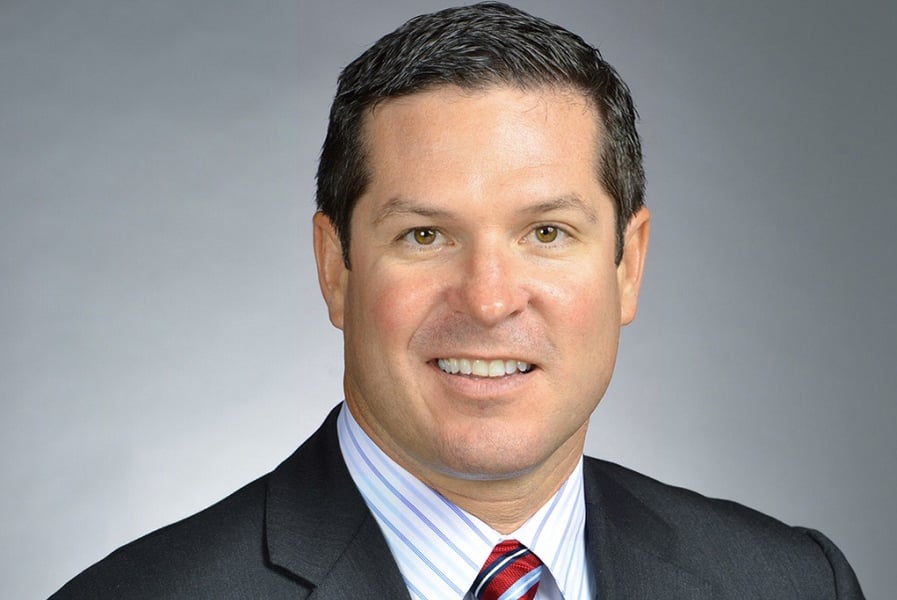
Brian Kovack is president and co-founder of Kovack Securities, a privately owned, national full-service independent broker-dealer based in Fort Lauderdale, Fla. He is currently a candidate for the open midsize-firm seat on the Finra Board of Governors.