
US Bancorp Advisors is rolling out a connected wealth offering aimed at emerging affluent investors, betting that a hybrid mix of human advice, self-directed investing and integrated banking data will reshape how advisors engage with this segment.
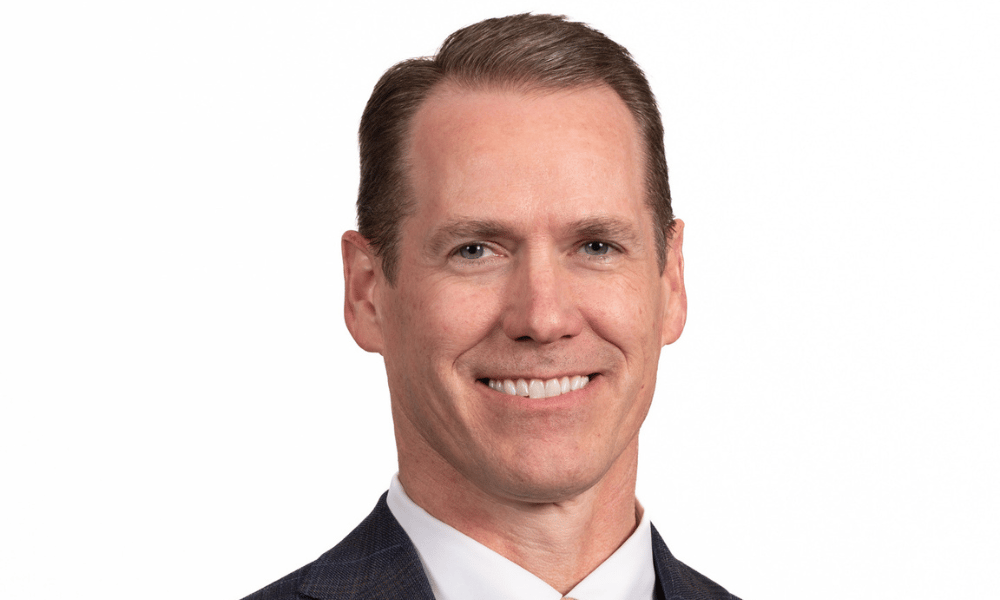
Ryan K. Nelson, the firm’s new President of Emerging Affluent Wealth Management, tells InvestmentNews that the initiative is not about launching another standalone digital tool but about building a broader service model designed around how clients actually want to invest.
“What is different is that this is not a single product or a standalone digital tool. It is a connected set of capabilities built around how emerging investors actually want to engage: a team-based advisory service that offers guidance from licensed professionals, an enhanced self-directed brokerage option for those who prefer to invest on their own, and an integrated investing experience that brings banking … and investing together in one ecosystem,” Nelson said.
He added that simplifying the overall experience is central to driving better outcomes. “One of our goals with this launch is to make investing easier to start and simpler to sustain, which matters because behavior changes when the advisor and client experience is simpler, more connected and more relevant to each investor’s life stage or goals.”
Rather than trying to force clients into a single advice model, the firm wants flexibility to be built into the platform from the start. “We want to meet people where they are — independently, with an advisor, or with a blend of both — rather than asking them to choose a single model,” Nelson said.
While wealth firms often promise efficiency gains from new technology, advisors frequently complain about fragmented systems and increased administrative burdens. Nelson said US Bancorp Advisors deliberately focused on integration and usability.
“We’re focused on keeping the experience simple and connected. The goal is not to introduce more layers of technology or create separate experiences that make advisors jump between tools,” he said. “The emphasis is on a connected platform and a simplified digital experience — including an investing experience that brings banking and investing together in one place, improves visibility into a client’s full financial picture and supports more seamless engagement.”
Nelson added that the firm knows that its advisors do not want more complexity; they want tools that are easier to use, more integrated and better aligned with how they serve investors.
Hybrid advice models have gained traction across the industry, but some advisors worry they risk becoming reactive support desks. Nelson argues the model works when responsibilities are clearly defined.
“A hybrid model works when digital tools and human advice are doing what each does best. Advisors are not an add-on in this model; they are an integral part of it,” he said.
He noted that relationships begin with discovery and personalized recommendations. “For investors who want guidance, the relationship begins with a team of licensed financial advisors who take the time to understand that individual’s goals and then make customized recommendations for a diversified portfolio.”
Routine activity can still take place through self-directed channels, allowing advisors to focus on planning and ongoing adjustments. “Routine transactions and self-service activity … can happen through self-directed investing while advisors focus on helping investors make informed decisions, building portfolios around their objectives, and providing ongoing advice as needs change.”
The structure is designed to reinforce proactive engagement. “Clients are contacted within 48 hours to schedule an appointment, and outcomes are tracked so there is clear follow-through,” Nelson said, adding that the advisor’s role remains “proactive and relationship-driven.”
Technology-enabled scaling of advice can sometimes lead to standardized experiences for smaller accounts. Nelson said the firm is aiming to avoid that outcome.
“Across the industry, clients in this segment are often limited in their choices. Not with Wealth Connect. We treat every client as an individual,” he said.
He emphasized that the platform is intended to evolve alongside client needs.
“Wealth Connect is designed to help clients move into the right tool over time, not keep them in a static model,” Nelson said. “As an investor’s needs become more complex, there is a path to additional options and deeper planning and strategy conversations, so the experience can grow with them.”
With banking and investment data increasingly combined, advisors can gain deeper insights into client behaviour. Nelson believes the key is ensuring those insights translate into meaningful guidance.
“Integration should make advice more relevant,” he said. “The integrated investing experience is designed to let clients see cash, investments, spending, saving, borrowing and progress toward goals in one place. That is the ‘useful insight’ side of the equation: seeing the full financial picture in a way that is connected to client goals and next best actions.”
As centralized service models become more common, questions have emerged about ownership of client relationships. Nelson said accountability can be structured through processes rather than relying on a single point of contact.
“Team-based service does not eliminate ownership; it changes how ownership is managed,” he said.
“We’re creating accountability through workflow ownership, response-time expectations and documented follow-through — not around assuming that one named individual must handle every touchpoint.”
He added that continuity is reinforced through documentation and shared visibility. “Our calls are all recorded and we document each conversation. That way, regardless of the advisor, they can pick up right where the prior conversation ended, thus enhancing the experience.”
Looking ahead, Nelson sees a blend of technical planning expertise, behavioural coaching and digital capability shaping success in the emerging affluent space.
“Our advisors help clients start investing, using both self-directed and advised options, deliver tailored recommendations, foster trust through discovery conversations, and help them feel heard, understood and valued,” he said.
While digital fluency is becoming essential, Nelson believes differentiation will come from combining skills. “Digital fluency is becoming table stakes, but it is not the differentiator by itself,” he said.
“The differentiator is the ability to combine digital fluency with behavioral coaching, goals-based guidance and enough planning judgment to know when a client can self-serve and when they need human advice.”
For Nelson, the future advisor is defined by adaptability. “The advisor of the future is not just a planner and not just a platform user, but a coach who can move fluidly between both.”

The financial advice industry has been facing inquiries into its cash sweep programs for years now.

Investor money allegedly went to strip clubs, exotic cars, and landscaping

Procyon adds $415 million in assets under management in New Jersey while Savant picks up a $213 million Southern California planning firm

With a growing number of real estate-rich Baby Boomers aging into retirement, some advisors may be failing to consider all the options available for those clients' assets.

Cornerstone Advisors study reveals compliance bottlenecks stall campaigns weeks after customer opportunities close.
As AI makes financial information more accessible than ever, Lana Hock explains why human judgment, trust, and empathy remain the qualities clients value most in a financial advisor
Northern Trust’s Ken Lassner shows advisors how to convert volatility into after-tax portfolio gains

