
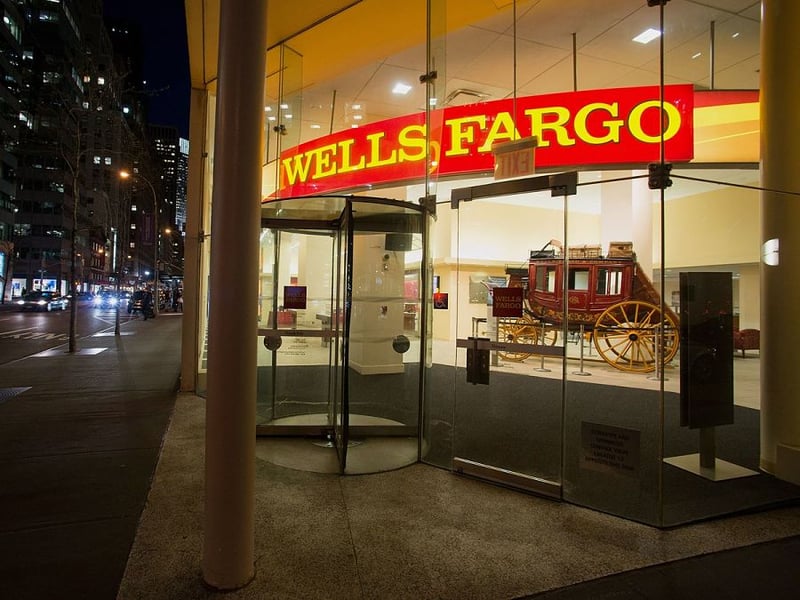
Wells Fargo & Co., the San Francisco-based bank that’s been dealing with a series of scandals and regulatory issues, has temporarily halted the use of diversity guidelines for hiring after a report that staff held fake interviews with minority candidates to satisfy in-house rules.
The firm will “pause the use of diverse slate guidelines for several weeks” as it reviews the matter, Chief Executive Charlie Scharf said in a memo.
“We will continue to actively seek diversity in hiring, even during this pause,” Scharf wrote. “The pause is a chance for us to review our guidelines and processes and to make improvements — it does not mean that anyone at Wells Fargo should stop hiring or stop actively recruiting diverse candidates.”
The New York Times reported last month on the issue, citing current and former employees who said supervisors in the wealth management division had instructed them to interview Black and female candidates for positions that had already been promised to someone else. The paper earlier reported on the memo.

Elsewhere, Wells Fargo Advisors adds a $400 million Morgan Stanley veteran in Naples as an ex-Cetera advisor goes independent with LPL

According to a federal charges Bradley Heppner, 60, received more than $150 million in payments through funneling money from GWG Holdings to a shell company.

A $1B fund allegedly skimmed 30% off the top, then swapped cash for locked-up stock.

Insiders allegedly rewrote projections three times in four days.

TCI Wealth Advisors also has also tapped JIFFYAI to unify onboarding and servicing, while TradePMR adds ICE market data to its Fusion advisor platform
Knighthead Life entered the market with a competitive MYGA. A strong launch earned advisor confidence and paved the way for FIAs.
As AI makes financial information more accessible than ever, Lana Hock explains why human judgment, trust, and empathy remain the qualities clients value most in a financial advisor

