
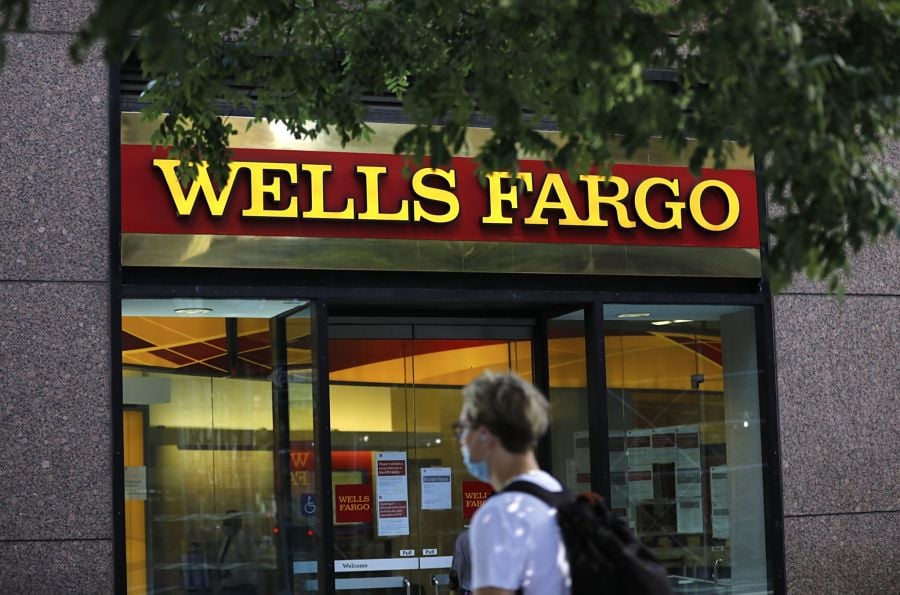
Wells Fargo & Co. has started its long-awaited job cuts, breaking with some of its top U.S. competitors that have resisted workforce reductions amid the coronavirus pandemic.
The lender, under growing pressure to lower costs, quietly ended a moratorium on terminations in recent weeks as it prepares to make deeper cuts in the months and years ahead.
“Starting in early August, we resumed regular job displacement activity,” Beth Richek, a spokesperson for the bank, said in a statement without providing figures. Executives expect to embark on more significant steps later this year that may ultimately eliminate tens of thousands of positions, Bloomberg News reported in early July.
“We are at the beginning of a multiyear effort to build a stronger, more efficient company,” Richek said. “We expect to reduce the size of our workforce through a combination of attrition, the elimination of open roles and job displacements.”
Initial cuts will affect people the company had planned to let go early this year before the public health emergency prompted its leaders to halt firings, according to people briefed on the situation.
Chief Executive Charlie Scharf noted on a conference call with analysts last month that those were still pending: “We have a series of employees who’ve been told that their jobs will ultimately go away,” he said, “but we are going to let some time pass as we got through the initial stages of the COVID crisis.”
Other reductions in the weeks and months ahead will also result from existing efforts to thin management ranks, remove underperformers and pare expenses, the people said. But decisions on the ultimate scope of cuts have yet to be made as Scharf completes a strategic review he began when he took over in October.
“It’s like an onion: The more we do, the more clearer the next round will become,” he said on the call.
Pressure on Wells Fargo to lower costs grew all the more acute this year as it reported its first quarterly loss in more than a decade and slashed its dividend by 80%. The reductions at Wells Fargo may now test the resolve of financial industry competitors that pledged job security for their massive workforces.
With the pandemic constraining commerce, many firms are facing the prospect of losing billions of dollars on soured loans. While a number of large European banks have said they need to cut workers, U.S. banks have largely abstained.

The Protect College Sports Act would cap school payments and codify NIL rights, with implications for advisors guiding young athletes.

"I know the number that I want to be able to retire on, and now I just want out," says Wilmington Trust's Marguerite Weese, describing a common refrain among business-owner clients.

Bessemer and Brown Brothers Harriman veteran Robert Ludricks III and private markets specialist Olof Akesson join the ultra-high-net-worth push on the East Coast.
Senate Democrats seek data on data center deductions under the 2025 tax law as proposals to tax artificial intelligence multiply.

Geopolitical shocks and market volatility pushed advisor deal decisions off course, denting third-quarter transaction volume by 19 percent.
As AI makes financial information more accessible than ever, Lana Hock explains why human judgment, trust, and empathy remain the qualities clients value most in a financial advisor
Northern Trust’s Ken Lassner shows advisors how to convert volatility into after-tax portfolio gains

