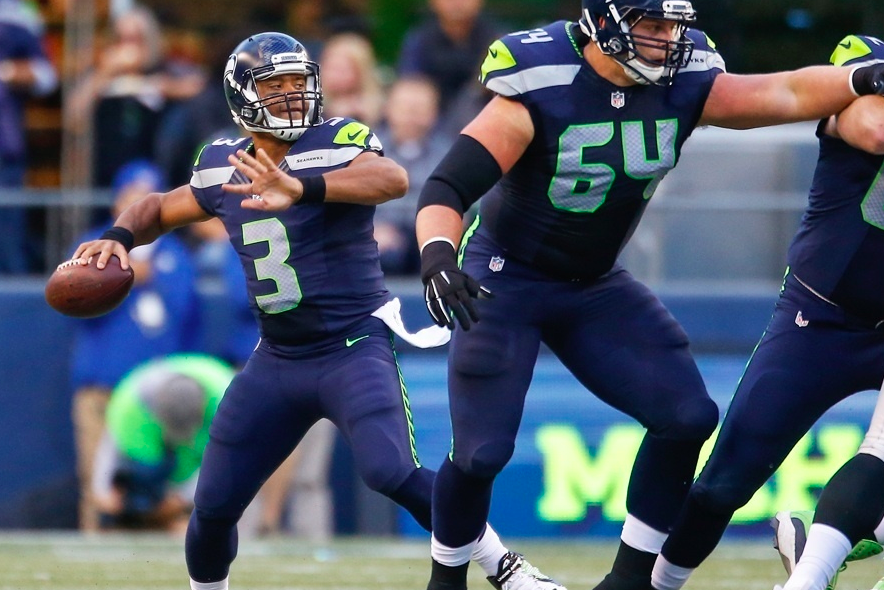
Many advisers would love to serve the market of professional athletes. Young, famous men and women earning large sums of money but often lacking much, if any, experience with investing or planning for the long-term? It's a perfect opportunity, and that's before thinking about the locker room as a referral network, business opportunities apart from the game and perks that a sports fan adviser might enjoy.
(More: NFL wants advisers to have CFP or CFA designation to work with players)
But it's a more difficult market than many think, both to find clients and serve them, said Liz Davidson, CEO of
Financial Finesse. It's not the fortune and and glory
promised by shows like HBO's "Ballers."
Financial Finesse partners with large companies, professional sports leagues and player unions, including the National Football League Player Association, to provide
financial literacy coaching. Ms. Davidson said it provides basic lessons so athletes have the knowledge and enough savings to better work with an adviser.
InvestmentNews spoke with Ms. Davidson about her firm, the unique challenges of athletes, and what advisers need to know about managing professional athletes' money.
InvestmentNews: Can you tell me a little more about Financial Finesse?
Liz Davidson: The model is really interesting because we actually don't manage any money, we don't sell products or services, and we aren't affiliated in any way with any company that does.
We're extremely compatible with advisers who have started to see more and more employers want these programs that provide financial wellness to employees … We have a similar model with the NFLPA where they have a financial adviser network.
IN: What advice do you have for advisers who want to get into this market?
LD: You have to have a passion for it — if not for the game, but for athletes and wanting to serve athletes. They're very, very motivated by the personal connection aspect. What happens is you'll have players with a high profile who hire an advisory firm or adviser, and that relationship goes well and they share that with other players. It's a viral community in the locker room. A lot of that isn't necessarily from returns, it's more about an adviser who has taken of [them], or is cool, or is "my person."
It's being very holistic and being very available and willing to take time and help in areas you traditionally wouldn't. Also, taking part in the savings portion, almost being a CFO. You have to love it, because it's not as easy or as much money as people think.
IN: What makes it difficult?
LD: Imagine coming into a very large sum of money, from very humble means, at age 21. That's just a hard thing to manage, and then you're getting paid over 17 weeks. Your paycheck feels huge.
Also taxes. They play in different states, and there's a lot of tax considerations. They seem like they're wealthier than they are when you consider what they have to pay to their agents, or when contracts aren't guaranteed. I think players can be excellent clients, but they do have unique needs.
IN: What are some common issues you encounter with athletes?
LD: Relationships are a huge issue. For significant others, making sure they're aligned.
Also, the relationship to the family. It's shocking how many family members emerge out of the woodwork when you get a nice-sized NFL contract. The hands start coming out. It's sad, because I think they get taken advantage of. We do workshops on that, and that's something advisers can help with as well.
(More: Super Bowl of financial scams that hit NFL players)
IN: How did you build this relationship with the NFL?
LD: Because we don't manage assets and just provide education and guidance, the NFLPA is paying us, not the players. That was a very appealing value proposition for the NFLPA — being that safe place, that resource — so that was a really important piece of it.
There was also this recognition that the spending issue needed to be addressed. It's changing a lot and the guys are saving lots more than they used to, but when we started in 2009, we saw too many players spending down everything and having a tough transition when they left the game.
(
More:
Arming clients with the tools to teach kids about finances)
IN: What do you provide in the coaching program?
LD: It is very, very personalized. We learned early on that people who aren't in the financial industry don't care about the topics themselves. They don't care about asset allocation or the markets, they are interested in their own life. Everyone wants to have more money, but it's really about them.
The program has an online component that's a personalized financial wellness assessment, and we give unlimited coaching over the phone. We do workshops, but all of it is guidance and education.
How do they plan for the off-season or the future? What things do they need to think about if they have an injury? We get them to a place where they are actively managing their money well and would be a good client for a financial adviser.
This interview was edited for length and clarity.