
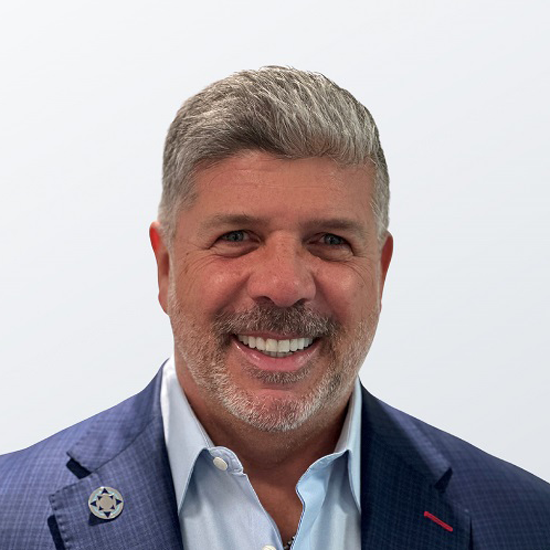
Partnering with another RIA means more than merely hooking up, according to Phil Fiore, CEO of Procyon Partners. It’s essentially a wedding between wealth managers.
“You're literally marrying another entity that you may not have married from the beginning,” said Fiore. “This is a whole new change as to how the firm works and what the direction will be.”
And like any marriage, it could head in the wrong direction – and quickly - if those partners enter into the arrangement for the wrong reasons, or without being forthright from the very beginning.
Fiore and four partners launched Procyon in 2017 with $2B in AUM in a single Shelton, Connecticut office. Today they manage $7B across six offices and have a team of 50 employees.
Finding the right partner, one that fills respective voids, takes time, says Fiore. In his view, getting the culture correct upfront is far more important than finding someone that will expeditiously cut a check.
“The ones that went wrong in the aggregate are the ones that were not culturally aligned,” said Fiore. “I've been independent for seven years, but in the seven years that we've done this, the successful ones are those that really understand where the partner fits, and the people that just go about it relative to a check, well, I usually see those unwind.”
So with all that in mind, what should one look for before saying ‘I do’ at the RIA altar?
The number one thing, says Fiore, is making sure the potential partner is organically growing year over year. And more than that, the ability to prove it when opening the books. Number two, if a firm has grown through M&Amp;A, then one needs to make sure those tuck-ins are accretive and profitable.
“And at the end of the day, you want to know if the business is run profitably according to EBITA,” said Fiore.
The alternative to partnering up for growth of course is selling out. And in the current market there is no shortage of large suitors backed with stacks of private equity cash seeking yet another roll-up.
As enticing as it sounds, don’t simply go for green, says Fiore.
“From a sales standpoint, you have to reconcile in your mind that what you built cannot continue in the way it has without some larger entity rebranding and refocusing the efforts there,” said Fiore.
And don’t forget about the clients either, whether the growth path is via partnership or sale.
“I think irrespective of whether or not you sell-out in the aggregate or partner up, the firm needs to align with you culturally. It needs to align with how you treat your clients,” said Fiore. “If you align with someone that's worried about profits and just profits, and cutting, cutting, cutting, that's a misalignment. You’ve got to spend a lot of time again being patient, making sure that the values align.”

Elsewhere, Wells Fargo Advisors adds a $400 million Morgan Stanley veteran in Naples as an ex-Cetera advisor goes independent with LPL

According to a federal charges Bradley Heppner, 60, received more than $150 million in payments through funneling money from GWG Holdings to a shell company.

A $1B fund allegedly skimmed 30% off the top, then swapped cash for locked-up stock.

Insiders allegedly rewrote projections three times in four days.

TCI Wealth Advisors also has also tapped JIFFYAI to unify onboarding and servicing, while TradePMR adds ICE market data to its Fusion advisor platform
Knighthead Life entered the market with a competitive MYGA. A strong launch earned advisor confidence and paved the way for FIAs.
As AI makes financial information more accessible than ever, Lana Hock explains why human judgment, trust, and empathy remain the qualities clients value most in a financial advisor

