
As an estimated $84 trillion in assets changes hands across generations over the coming decades, the wealth management industry has largely focused on the financial mechanics of transfer - trusts, tax strategies, and succession structures.
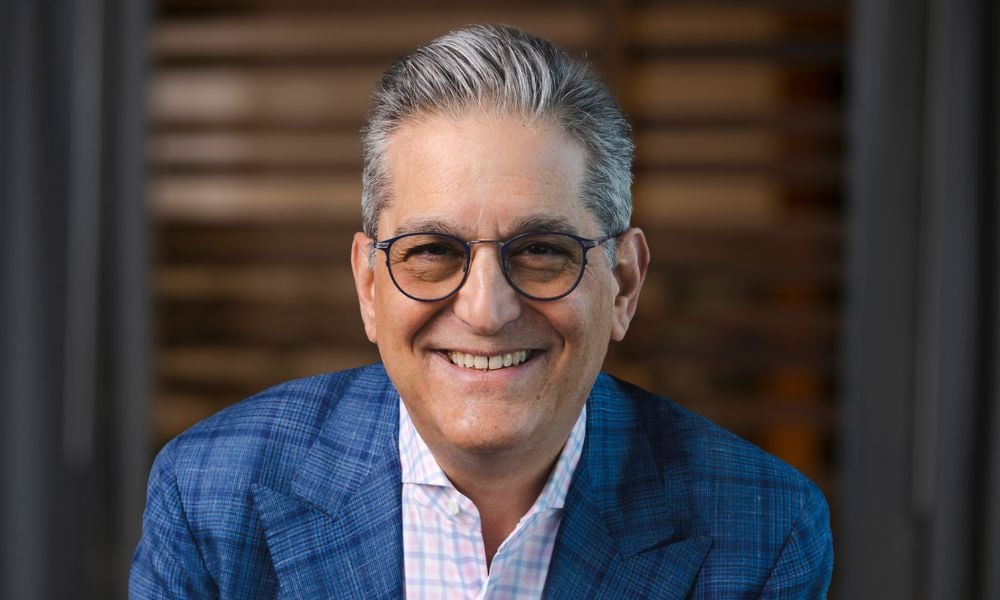
Eric Becker, Founder and Co-Chairman of Cresset, the Chicago-based multi-family office with more than $260 billion in assets under management and advisement, believes that framing misses something fundamental.
"We spend a great deal of time preparing assets for heirs," Becker told InvestmentNews. "We also need to prepare heirs for the assets."
That conviction sits at the heart of a growing conversation among advisors about the role of the ethical will - not a legal instrument, but a personal document capturing the values, experiences, and life lessons that underpin a family's wealth.
As advisors scramble to engage the next generation before inheritance events force the issue, Becker argues that this conversation is precisely where an advisor can differentiate.
Becker wrote his first ethical will in 2007 because he wanted his children to have his words and perspective if something happened to him unexpectedly. What began as a practical exercise evolved into something larger.
"I came to see the ethical will as a living document that could evolve as our family and I evolved," he said. "It is not a substitute for an estate plan. It is a complement to one, because it preserves a form of wealth that cannot be held in a trust: perspective."
The advisor, in Becker's view, does not need to become a family therapist or historian to facilitate these conversations. The questions themselves can do the work.
"What does this wealth mean to your family? What do you hope it makes possible? What values do you want your children to understand?" Becker suggested as entry points. "The advisor does not need to provide the answers. In fact, I do not think they should."
That framing positions the advisor as a convener, who creates the conditions for a productive conversation and, where appropriate, brings in estate attorneys, family governance specialists, or other professionals to go deeper.
Becker draws a deliberate parallel between the mechanics of investing and the transmission of family wisdom. Just as capital compounds over time, he argues, so do life lessons; shaping decision-making, relationships, and judgment across generations.
"The lessons passed from one generation to another accumulate over time," he said. "They influence how we make decisions, build businesses, raise children, navigate difficult periods."
For entrepreneurial families in particular, Becker believes there is a specific form of capital at risk of being lost in a conventional transfer: the entrepreneurial mindset itself. Resourcefulness, resilience, and the capacity to turn an idea into something of value, he says, are as much a part of a family's inheritance as the assets on a balance sheet.
His own ethical will, he has said publicly, traces the origins of his values to specific people and moments such as grandparents who modeled hard work, a mother who cultivated curiosity, and a father who demonstrated entrepreneurship and generosity. The exercise revealed that many of the values he had come to regard as his own had been shaped by others.
The advisor case for this work is not purely philosophical. Research from Orion's inaugural investor survey found that 18 percent of investors are likely to switch advisors when inheriting between $500,000 and $1 million, and that likelihood climbs to 24 percent for those inheriting $1 million or more.
Becker's argument is that advisors who begin building relationships across generations not at the moment of transfer, but well before, are far better positioned to serve families as a whole.
"An advisor who understands only a family's balance sheet knows something important about that family," he said. "An advisor who also understands its history, values, relationships, aspirations, and concerns has a much deeper foundation from which to serve them."
That depth, he contends, also creates a natural pathway for the next generation to develop a relationship with the advisor on their own terms — before an inheritance or a crisis makes the introduction for them.
The Great Wealth Transfer is often described as an opportunity for the wealth management industry. Becker's perspective suggests the firms that capture it most durably will be those that help families articulate what they actually stand for — and then pass that forward alongside the assets.
Advisors looking to develop their own approach to multigenerational planning can explore related coverage of estate planning and next-generation engagement at InvestmentNews, the risks and opportunities ahead of the Great Wealth Transfer, and how the $84 trillion transfer is reshaping advisor-client loyalties.

“We needed to become a more agile and efficient organization,” said American Express CEO Stephen Squeri.

Examiners will scrutinize fee conflicts, complex products and super intelligence threats as broker-dealers face fresh Reg BI and AML reviews

New launches tackle succession planning, AI-driven email management and heir retention ahead of the great wealth transfer

For sellers weighing PE deals, due diligence shouldn't end with the offer on the table – the acquiring platform and the M&A advisor deserve a hard look as well.

South Carolina estate planning firm joins Osaic’s IBD network, citing succession planning tools and multigenerational growth resources.
Knighthead Life entered the market with a competitive MYGA. A strong launch earned advisor confidence and paved the way for FIAs.
As AI makes financial information more accessible than ever, Lana Hock explains why human judgment, trust, and empathy remain the qualities clients value most in a financial advisor

