
While it seems there's no stopping the tsunami of private equity capital driving RIA consolidation anytime soon, one independent RIA owner is raising concerns about the potential implications of getting involved with a PE-backed consolidator.
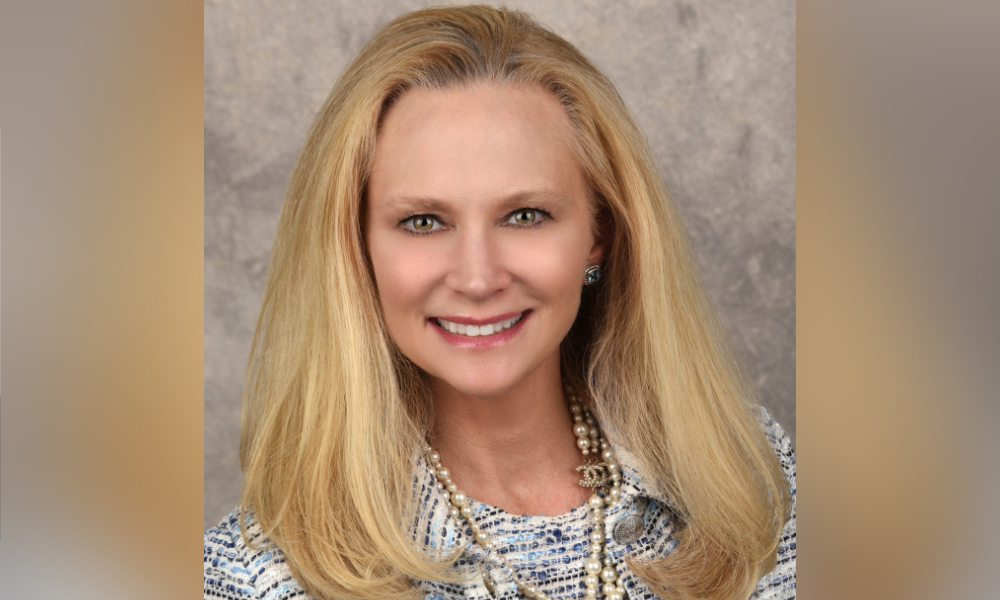
"I think independent advisors start out independent for a reason. [It's about] having that autonomy," Kathleen Grace, CEO and founder of Fiduciary Family Office, a $696 million independent RIA, told InvestmentNews in a recent interview. "I think that [having PE involved] lends itself to less autonomy and control."
A veteran of the industry, Grace was at one point the principal and founder of Excelsior Capital Advisors, a full-service multi-family office and wealth management firm that was later acquired by United Capital, the RIA aggregator created by Joe Duran. There, she spent just over a decade as a managing director, then later earned a vice president role at Goldman Sachs following its 2019 acquisition of United Capital.
According to Grace, United Capital's 2012 purchase of Excelsior was supported by multiple PE backers, including Donald Putnam's Grail Partners.
"We were a relatively smaller-sized firm, and we were looking for support – back-office support, investment support – instead of just hiring more people that [for] a smaller firm, typically, it's much harder to do with less margins," she says.
By Grace's recollection, private equity capital figured in around 50% of RIA acquisitions being made at the time. That's roughly in line with today's landscape, where PE-backed consolidators accounted 53% of deals, according to Devoe.
Apart from the opportunity to grow, Grace enjoyed the camaraderie and culture at United Capital, which she attributed to Duran's success in "gathering like-minded people."
"You could pick up the phone and call somebody across the country and ask for help. And I think that is what helped United Capital be what it was down the road," Grace says.
With its acquisition in 2019, she says the advisors at United Capital "ended up at a totally different place than any of us would have thought." She was collectively with United Capital and Goldman Sachs for 10 years, which she described as "really an unbelievably great experience."
"If you take an independent RIA business owner and try to put them into a broker-dealer that is more than 150 years old, that speaks to a cultural kind of mismatch," Grace says.
Almost two years after parting ways with Goldman and re-entering the independent space, Grace sees rising structural pressures for RIAs that enter into deals with PE. A large part of that comes from PE's need to deliver outsized returns relative to the traditional stock market.
"I think in general, investors who are investing in private equity have come to [expect] shorter time horizons where they want to see returns, which is why you see a boost in secondaries right now," she says. "They want liquidity in their investments, and the former 7- to 10-year hockey stick that we used to look at for a private equity investment has become condensed."
The upshot for RIAs within a PE-backed environment, she says, is an increased expectation of double-digit returns and liquidity within a short- to medium-term timeframe of three to five years. When aggregators are under pressure to deliver for PE investors, it naturally tends to trickle down to the employees and advisors, which could have an impact on growth strategies and the ability to provide personalized service.
"That pressure lends itself to a firm taking on just any RIA because you need to meet those specific PE requirements," Grace says. "It's impossible to have a custom deliverable when you're under that kind of pressure to grow."
According to new research by Cerulli, 52% of RIAs cite loss of autonomy in operations and service as a major concern when affiliating with a consolidator. Nearly as many RIAs (51%) were concerned about a reduction in their overall autonomy.
"There are decisions that, in bigger firms, are taken away from you," Grace says. "You are no longer the executive. You have multiple layers that you need [to go through] in approval. ... I think that pressure lends itself to making decisions that if you were your own independent RIA, you would not make."
While some RIAs might be inclined to join a PE-backed consolidator to achieve quicker growth, Grace prefers a slower and steadier approach that doesn't disrupt client service and allows for a more judicious process of onboarding complex clients.
Among RIA advisors in Cerulli's research, 55% said access to tech platforms was an important factor in joining a consolidated model. But Grace argues that advances in technology have made it easier than ever for advisors to stay independent.
"Like anything, it depends on your size. Way back when only a handful of people could afford a Macintosh computer, you went to work for a firm that had their own," she says. "I think in similar fashion, technology has moved to provide direct access to advisors, and costs have come down exponentially."
And despite calls for lower interest rates, Grace notes that the cost of borrowing is still low compared to historical averages. For some independent advisors looking for liquidity, that could make taking on some debt more appealing than giving up a piece of their practice.
"If you put pen to paper and really think about what you're giving up in exchange for a check, maybe in the short term you're better off. If it's someone who wants to retire right away, maybe it's a better option," she says. "But when you're talking about a longer time horizon, depending on your size and your margins, staying independent may be better."
Writers note: This story has been updated to correct Fiduciary Family Office's AUM, and clarify details about Grace's affiliation history with United Capital and Goldman.

The financial advice industry has been facing inquiries into its cash sweep programs for years now.

Investor money allegedly went to strip clubs, exotic cars, and landscaping

Procyon adds $415 million in assets under management in New Jersey while Savant picks up a $213 million Southern California planning firm

With a growing number of real estate-rich Baby Boomers aging into retirement, some advisors may be failing to consider all the options available for those clients' assets.

Cornerstone Advisors study reveals compliance bottlenecks stall campaigns weeks after customer opportunities close.
As AI makes financial information more accessible than ever, Lana Hock explains why human judgment, trust, and empathy remain the qualities clients value most in a financial advisor
Northern Trust’s Ken Lassner shows advisors how to convert volatility into after-tax portfolio gains

