
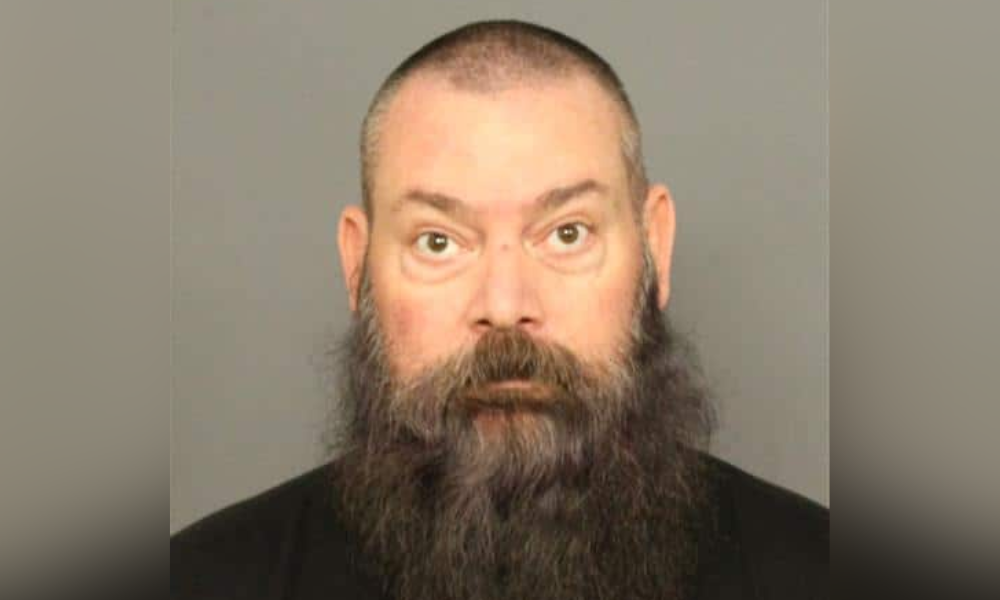
A fake financial advisor in Denver who promised a neighbor returns on investment of 28% in just one year on Friday was sentenced to six years in prison, according to a statement from the Denver District Attorney’s office.
Jason Lobins, 48, in March pleaded guilty to one count of securities fraud and one count of theft. He also agreed to pay $966,000 in restitution to his victims.
Lobins was the founder of the Lobins Group, a purported wealth management firm that was not registered with Colorado or the Securities and Exchange Commission (SEC).
“Between April 2019 and December 2023, Lobins solicited investments from six known victims, all of whom were his personal friends or acquaintances, promising significant returns,” according to the Denver District Attorney John Walsh.
One friend was a real estate broker who worked with Lobins on two real estate transactions and invested $50,000 in the scheme, according to a 2022 police affidavit. Another was a romantic partner who at one time shared an apartment with Lobins and invested $150,000.
Lobins “provided fraudulent reports showing the supposed growth of the investments,” according to the Denver District Attorney’s office. “In many cases, when victims tried to withdraw their investments, Lobins repeatedly indicated he was sending their money via wire transfer. None of the victims ever received any of the money.”
“Too often, friends and family members make for the low-hanging fruit for enterprising, thieving financial advisors to steal from,” said Andrew Stoltmann, a plaintiff’s attorney. “Such people are the easiest type of victim to profile and steal from.”
“With the customer, there is a built in level of trust with the person they are handing over money to because of that friendship or family connection.”
Lobins controlled investors’ funds through a series of bank and brokerage accounts, according to the police affidavit. None of the accounts were in the name of the Lobins Group or the Lobins Wealth Management Fund.
Lobins also issued the victims a number of promissory notes for specific investments, promising timely and significant returns. He failed to comply with the terms of those notes.
Lobins ultimately walked away with at least $966,000 and never returned any of the victims’ original investments or their supposed profits.
Investigators later learned that Lobins had deposited the victims’ money into his personal bank accounts and spent the money for personal expenses.
“Jason Lobins repeatedly defrauded investors and violated their trust, all for his own financial gain,” said Walsh in the statement. Friday’s “sentence holds him accountable for that fraud.”

A fund allegedly built a big stake, sparked a short squeeze, then sold as shares cratered

Hackers used AI voice cloning to target Point72, Citadel, Millennium and other major money managers on Wall Street.

Recruiters Philip Waxelbaum and Louis Diamond weigh in on whether AI skills are reshaping advisor pay amid PwC's Financial Services Workforce AI Survey.

Hightower's Bob Oros, eMoney's Stephen Langlois, and other industry veterans are joining the data infrastructure firm's inaugural advisory board.

Peter Cishecki is facing questions linked to his firm’s debt securities
Northern Trust’s Ken Lassner shows advisors how to convert volatility into after-tax portfolio gains
Dan Biagini of American Equity says the steady decline of pensions, longer lifespans and a reset in interest rates are rewriting how advisors build retirement income

