Commodity Futures Trading Commission Chairman Gary Gensler said Monday his agency will forge ahead in writing rules to govern international swaps transactions — despite calls from the industry and Congress for regulation to stop at the U.S. border.
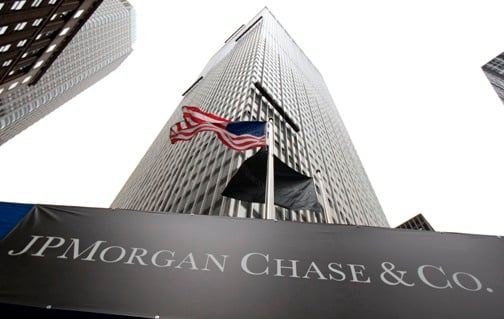
He said that the $2 billion trading loss JPMorgan Chase & Co. suffered on transactions out of its London office proves that financial market activities around the world can reverberate in the United States.
Mr. Gensler said that the JPMorgan debacle shows why regulators must not heed industry arguments that the Dodd-Frank financial reform law has no international implications.
"The law, the nature of modern finance, and the experiences leading up to the 2008 crisis, as well as the reminder of the last two weeks, strongly suggest this would be a retreat from much-needed reform," Mr. Gensler said Monday at the
Financial Industry Regulatory Authority Inc.'s annual conference in Washington.
"It's critical that we do not retreat from reforms that will bring greater transparency and competition to the swaps market, lower costs for companies and their customers, and protect the public from the risks of these international markets," he said.
The global swaps market is valued at $700 trillion. JPMorgan's problems seem to have stemmed in part from credit default swaps gone bad, Mr. Gensler said.
He told reporters after his speech that the CFTC is opening an investigation into the credit derivatives products traded by JPMorgan.
The CFTC has completed 33 of 53 swaps rules mandated by the Dodd-Frank law, according to Mr. Gensler.
The law makes clear that the international aspects of the products must be addressed, Mr. Gensler said. He also urged that Congress vote down a House bill that would protect international swaps transactions from Dodd-Frank regulations.
JPMorgan's problems highlight the fact that large financial institutions operate as a web of international entities, and U.S. parent companies often cover losses experienced elsewhere in the world.
"We've seen time and again that U.S. overseas branches, overseas affiliates guaranteed by a U.S. entity, and overseas affiliates acting as conduits for U.S. entities bring risk crashing back onto U.S. shores," Mr. Gensler said. "We've seen time and again, the financial industry [oppose] commonsense rules meant to promote transparency or protect the public."