
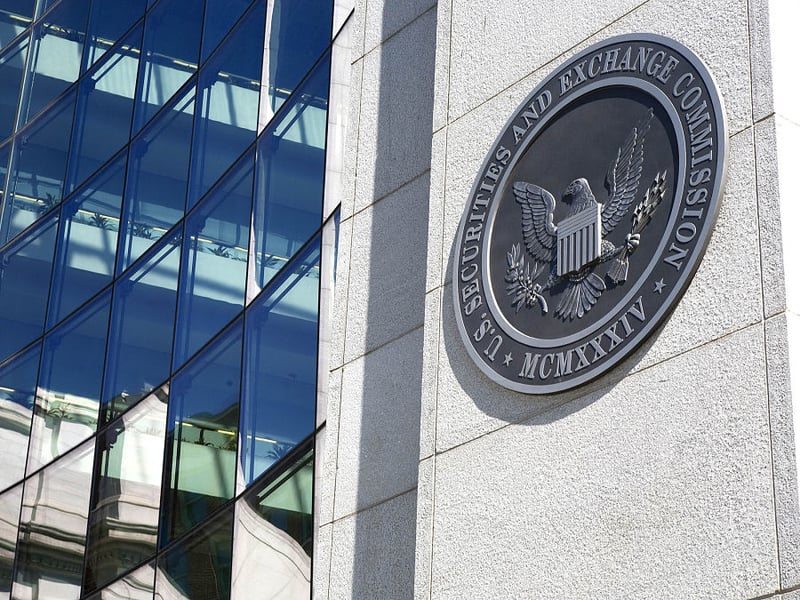
The Securities and Exchange Commission charged Ann M. Vick, the owner of a Loveland, Colorado-based pooled investment fund, AMV Investments, with fraudulently raising approximately $3.2 million from nearly two dozen investors.
According to the SEC's complaint, from August 2018 through January 2021, Vick told investors she was a successful options trader and promised them "exorbitant" returns. Instead, her investments saw a mix of gains and losses, “and Vick never generated the consistent profits necessary to pay investors the returns she promised,” the SEC said in a release.
According to the complaint, after suffering significant losses in early 2020, Vick began making Ponzi-like payments to the investors in her fund and misappropriated approximately $570,150 of investors' funds.
Vick didn't admit or deny the SEC's allegations, but agreed to a judgment that permanently enjoins her from future violations of the charged provisions and from participating in the offer or sale of any securities. Under the agreement, she will pay disgorgement of $570,150, prejudgment interest of $27,929, and a civil penalty of $570,150.
Vick also agreed to be prohibited from acting as an officer or director of any public company. The settlement is subject to court approval.

Daejon Love and Taylor Chan's $1.3 million romance fraud scheme exposes how AI search engines can be manipulated by fabricated online identities

“It was a third party scam,” said the attorney representing the claimants.

Meanwhile, &Partners draws another Commonwealth practice, and Wealthcare welcomes a $550 million planning practice in the Northeast.

Palo Alto AI platform recruits RIA and fintech leaders as industry data show AI adoption reshaping advisor staffing.

Meanwhile, Raymond James, Wedbush, and LPL recruited veteran advisors from across Texas, North Carolina, and California.
Northern Trust’s Ken Lassner shows advisors how to convert volatility into after-tax portfolio gains
Dan Biagini of American Equity says the steady decline of pensions, longer lifespans and a reset in interest rates are rewriting how advisors build retirement income

