
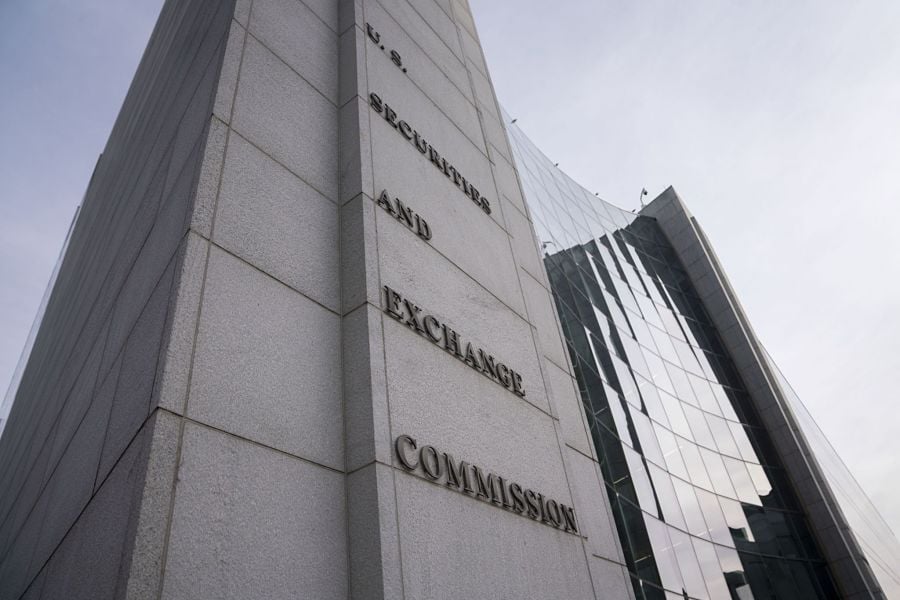
The Securities and Exchange Commission is boosting its scrutiny of how well companies disclose risks that climate change poses to their businesses, one of the agency's first moves to confront an issue that’s key to the Biden administration’s policy goals.
SEC acting chair Allison Herren Lee will ask the agency’s corporate finance group to focus on climate in their reviews of corporate filings that are pored over by investors, the regulator said in a Wednesday statement.
The move could prompt new rules or an update to guidance the regulator issued in 2010 on climate disclosures.
“Now more than ever, investors are considering climate-related issues when making their investment decisions,” Lee said in the statement. “It is our responsibility to ensure that they have access to material information when planning for their financial future.”
Lee’s announcement comes as President Joe Biden’s pick to permanently lead the agency, Gary Gensler, is awaiting Senate confirmation. Gensler will face lawmakers’ at hearing next Tuesday, with questions about whether companies are sharing enough with shareholders about how global warming impacts their bottom lines sure to come up.
While Lee’s time leading the regulator may be short, Gensler is widely expected to continue her efforts as he also makes climate issues a focus during his tenure.
Lee has pointed to the growing importance of environmental, social, and governance issues as acting chair. The SEC earlier this month named Satyam Khanna as senior policy adviser for climate and ESG. ESG matters are of “great significance to investors and the capital markets,” Lee said at the time.

Retiring RIA seller David Laidlaw alleges the Carnegie valued his stake on $11.7 million EBITA while pitching potential buyers on $21.3 million.

New tool gives RIAs and family offices AI help vetting private market deals, with some users reportedly halving review time.

Investors got projected returns dressed up as real ones, SEC says

Parents must still act to get the $1,000 federal seed and employer contributions, giving financial advisors a role in the rollout.

FINRA booted Rudy Anguiano from the industry for “conversion - the intentional and unauthorized taking of another person’s property.”
As AI makes financial information more accessible than ever, Lana Hock explains why human judgment, trust, and empathy remain the qualities clients value most in a financial advisor
Northern Trust’s Ken Lassner shows advisors how to convert volatility into after-tax portfolio gains

