
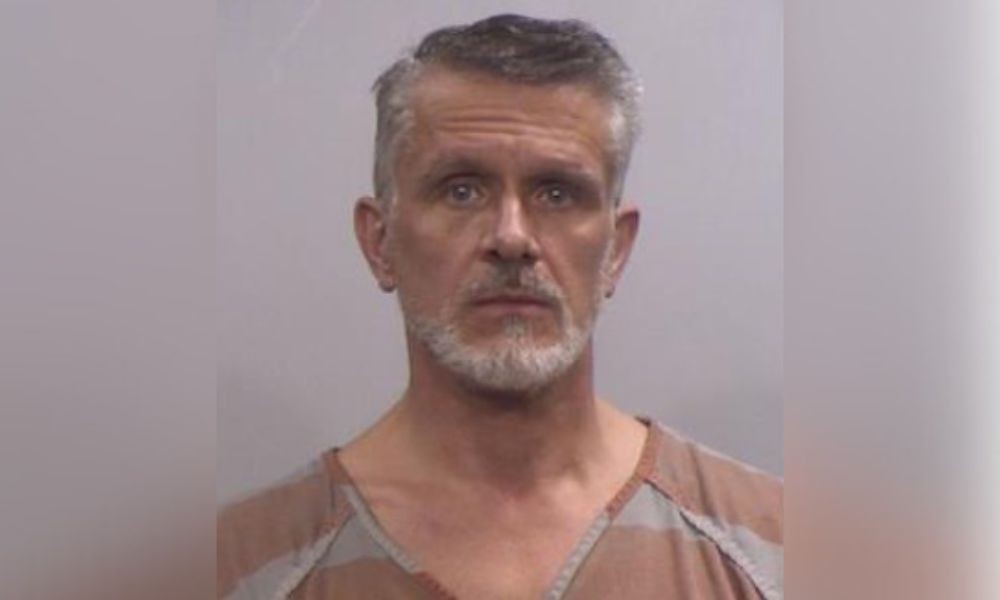
Attorneys for the Department of Justice at the trial of Bradley Heppner intend to use testimony from Keith Martens, a distant cousin of Heppner, who is charged with five counts, including securities and wire fraud, related to a scheme to steal $150 million.
According to a federal indictment from last October, Heppner received more than $150 million in payments through funneling money from GWG to a shell company he controlled at Beneficient.
Heppner’s case has been assigned to U.S. District Judge Jed S. Rakoff in New York. He pleaded not guilty to the charges. His trial begins Tuesday.
Heppner used these funds for a variety of expenses, according to the indictment, including $40 million on renovations on a ranch in Texas. Meanwhile, GWG declared bankruptcy in 2022. Investors who bought GWG bonds from financial advisors were left with worthless paper.
“GWG was one of the worst products out there,” said Adam Gana, a plaintiff’s attorney who has represented clients who bought GWG bonds from broker-dealers. “I’m glad that the trial is getting underway and looking forward to a conviction.”
About 40 broker-dealers sold close to $1.6 billion in GWG L bonds, so-called because they were backed by life settlements, before the firm declared bankruptcy in 2022, leaving investors in the lurch.
Heppner controlled Beneficient Company Group, an alternative investment firm; it and GWG became intertwined and related when GWG in 2018 purchased a stake in Beneficient.
With the two companies linked, Heppner became chairman of both in 2019.
According to a court filing this month, federal prosecutors expect that two of Heppner’s co-conspirators, Martens and Jeffrey Hinkle, will testify at the trial about aiding in the fraud. Both have non-prosecution agreements with the government.
“Martens was the defendant’s childhood friend and distant cousin,” according to the filing, and “Hinkle worked for [Heppner] for more than a decade,” including as Treasurer for Beneficient.
Martens is expected to testify that, in or around February 2019, he agreed to serve as manager of the purported shell company, Highland Consolidated Limited Partnership, at the request of Heppner, according to the filing.
In this role, Martens forwarded emails and signed documents that he knew to be false.
Last year’s indictment charged that Heppner repeatedly claimed Highland was independent even though he controlled it and it was acting for his benefit.
Heppner allegedly received more than $150 million in payments from GWG that were purportedly to be used to pay debts incurred by Highland.
Meanwhile, Hinkle is expected to testify that, beginning in or around 2015, he misrepresented to potential investors, and later to the GWG board, that Beneficient owed a $141 million debt to Highland and that this debt was comprised of startup costs for the Beneficient business, according to the court filing.

Goldman Sachs retirement survey finds 83% want guaranteed income, while the annuities providing that income increasingly hold private credit.

The AI meeting assistant's Advisor Intelligence plugin turns client conversation data into annual reviews, tax scans and attrition alerts.

Chuck Roberts and Stifel have been facing scrutiny due to sales of structured products and structured notes.

Among other updates, the proposals would let advisors to regulated funds earn performance fees and allow interval funds to offer monthly repurchases.

What will financial advice look like 20 years from now? Evan Vladem explores how AI may transform wealth management while reinforcing the enduring value of human guidance, trust, and empathy.
As AI makes financial information more accessible than ever, Lana Hock explains why human judgment, trust, and empathy remain the qualities clients value most in a financial advisor
Northern Trust’s Ken Lassner shows advisors how to convert volatility into after-tax portfolio gains

