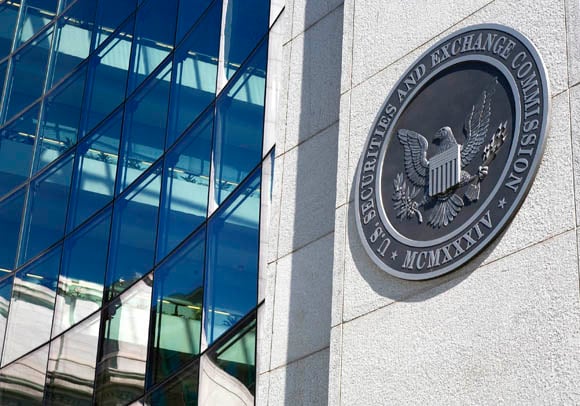
Don't expect the SEC's fiduciary proposal this year. According to a Commission insider, ramped-up cost-benefit analysis is gumming up the works. Said the official: 'The time frame certainly has slipped.'
While the Labor Department today announced that is starting over on its fiduciary-duty rule, an insider at the Securities and Exchange Commission said the agency likely will delay issuing its new standard of care for broker-dealers.
The regulator had said that it would promulgate a revamped fiduciary regulation sometime this fall. But in an appearance Thursday before the House Financial Services Committee, SEC Chairman Mary Schapiro hinted that the agency is not ready to use the authority given to it by the Dodd-Frank financial reform law to establish a universal standard of care for retail investment advice.
“We have not yet proposed to go forward with a specific rule at this time,” Ms. Schapiro told lawmakers.
In an interview with InvestmentNews, an SEC official confirmed the delay.
“The time frame certainly has slipped,” said the official, who asked not to be identified, as the rule that has not yet been proposed. “It's extremely unlikely that there will be a rule this year. We are very determined to get it right. We're quite engaged with interested parties.”
The SEC has been under pressure from fiduciary-duty skeptics to justify the benefits of a new rule. In January, the SEC delivered a staff report to Congress recommending that the commission proceed with such a regulation to better protect investors who are confused by the differing standards that investment advisers and broker dealers must meet.
Two commissioners — Kathleen Casey and Troy Paredes — dissented with the report, asserting that it does not include a sufficient economic analysis to justify its conclusion. Since then, Capitol Hill Republicans have picked up that theme, pressing the SEC not to proceed on fiduciary duty until doing a thorough cost-benefit calculation.
In July, the U.S. Court of Appeals for the District of Columbia Circuit vacated an SEC rule on proxy access because the court said that the agency had “failed once again … adequately to assess the economic effects of a new rule.”
An effort to bolster the agency's approach to economic analysis is one factor slowing a potential fiduciary-duty rule.
“We are spending tons of time on re-evaluating how we did cost-benefit historically,” the SEC official said. “And that is going to take longer.”