
Finra taking an interest in wholesalers' role in product sales

Finra taking an interest in wholesalers' role in product sales
Finra's concerns over wholesalers include how well-trained the sales force is, what information they possess and the reasonable basis for suitability
MAR 18, 2012
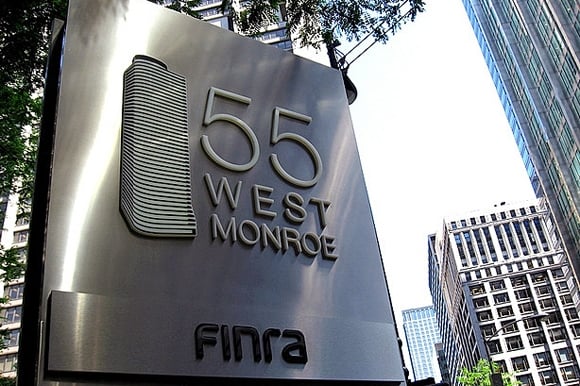
Wholesalers, watch out. Finra is taking a clear interest in wholesalers' roles in the sale of products that clients — and sometimes brokers — do not fully understand. The Financial Industry Regulatory Authority Inc.'s concerns over wholesalers include how well-trained the sales force is, what information they possess and the reasonable basis for suitability, said J. Bradley Bennett, executive vice president of enforcement at Finra. “In cases we've looked at, sometimes these products are so easy to sell because they promise more return with less risk. They're easy to sell, and they take over the [broker-dealer's] platform, and the firm doesn't truly understand them at a base level. You'll see investors holding [these products] in a way that is inconsistent with how the product was designed.” Mr. Bennett made his comments this morning in Miami Beach, Fla., after speaking on a panel for the Securities Industry and Financial Markets Association's compliance and legal-society annual seminar. He was quick to note that Finra does not have any enforcement cases immediately pending against wholesalers. Wholesaling broker-dealers that distribute products such as mutual funds and nontraded real estate investment trusts are members of Finra. “We want to understand if there is an information gap or a training gap” when it comes to wholesalers, Mr. Bennett said. “Wholesalers provide a lot of information on these products, and [a wholesaler] may be the first interaction” that brokers have with products, he said. “We just want to understand the process and where the information train is coming from,” Mr. Bennett said. “This is what my case development team does,” he said. “They try to look around the corner and be ahead of the curve and get a better understanding of the [sales] process,” he said. “If we see, at the end, where investors don't appear to understand the product, or the sales force doesn't understand the product, the logical question to ask is: Why?” In such a case, Finra would then look at the “information chain” of the product and see where specific information about the product came from, he said. And that would include the wholesalers.

Latest News

Names of more B-Ds that sold deals of bankrupt Inspired Healthcare surface

Broker-dealers that sold the defunct securities backed by Inspired Healthcare generated more than $100 million in fees and commissions.

MetLife poll finds high-value home sales are becoming tax-planning events

A new MetLife survey finds real estate professionals are increasingly steering clients toward tax experts as rising property values leave more sellers facing significant capital gains.

Kestra adds Raymond James recruiter to expand advisor hiring push

The independent broker-dealer expands its business development bench with a new recruiter and an internal promotion in the West.

Cerity Partners names Will Peng chief innovation officer

The leading ultra-high-net-worth RIA joins other large wealth firms, including Raymond James and LPL, in creating executive roles focused on artificial intelligence strategy

SPONSORED Who builds the income when the pension disappears?

Dan Biagini of American Equity says the steady decline of pensions, longer lifespans and a reset in interest rates are rewriting how advisors build retirement income

SPONSORED Why direct indexing stopped being optional

Direct indexing is on pace to outgrow ETFs and mutual funds. Northern Trust's Ken Lassner explains why the advisors who get it wish they had started sooner.