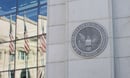
House panel votes to give SEC more money, power

The House Financial Services Committee voted Wednesday to give federal regulators more power and money to police major players in the stock market, four months after Bernard Madoff was sentenced for the biggest investment scam in history.
NOV 04, 2009
The House Financial Services Committee voted Wednesday to give federal regulators more power and money to police major players in the stock market, four months after Bernard Madoff was sentenced for the biggest investment scam in history. The 41-28 vote was the panel's latest move to try to rein in abuses on Wall Street. It would give the Securities and Exchange Commission new enforcement powers, including the ability to offer bounty money to tipsters on fraud cases and the power to bar violators of the law from employment in any securities-related industry. The bill also would double the SEC's budget in the next five years. Rep. Paul Kanjorski sponsored the legislation after leading the panel's investigation into the government's failure to uncover Madoff's massive fraud scheme for nearly two decades. Madoff was sentenced in June to 150 years in prison. "In the last five years, there's been a significant change and a greater sophistication in the financial service industry than has ever happened in the history of mankind," said Kanjorski, a Pennsylvania Democrat. "So we're going to have to change fast." The proposal was part of a broader effort by the committee to tighten rules governing financial institutions after last year's market crisis. The full House was expected to vote on the bill and related proposals in early December. In addition to giving the SEC more power, the committee has voted to impose new restrictions on investment rating agencies and require oversight of hedge funds and other large pools of private capital. The panel also wants a new federal agency dedicated solely to protecting consumers from fraud and abuse on credit cards, mortgages and other popular financial products. As the House moves ahead to overhaul financial regulations, work in the Senate was just getting under way. Senate Banking Chairman Christopher Dodd has begun drafting a bill that would differ from the Obama administration's proposal by limiting the power of the Federal Reserve and consolidating banking supervision into a single regulator. Dodd, who planned to meet Wednesday with his Democratic colleagues to discuss the matter, was expected to unveil a draft proposal next week.

Latest News

RIA dealmaking accelerates as three firms hit AUM milestones

Wealth Consulting Group, Coastline and Maridea report fresh capital, acquisitions and asset growth as advisor M&A keeps climbing

VastAdvisor closes $1 million SAFE round from advisor-side backers

Carson Group's Dani Fava, Jason Pereira of Woodgate Financial, and Sally George of Convergency Partners led the raise as the growth-tech startup builds out its AI platform and leadership bench.

Wells Fargo adds three advisor practices as recruiting rebound continues

New teams from William Blair, Ameriprise and UBS bring more than $560 million in combined client assets to the firm's employee and independent channels.

UBS will pay advisors 'handsomely' for banking starting next year

Regulators this year approved UBS Bank USA’s conversion to a nationally chartered bank.

SEC accuses Tricolor executives of hiding $800 million collateral hole

How a subprime lender’s car-loan bonds allegedly unraveled before bankruptcy.

SPONSORED Direct indexing webinar targets tax-loss harvesting amid market swings

Northern Trust’s Ken Lassner shows advisors how to convert volatility into after-tax portfolio gains

SPONSORED Who builds the income when the pension disappears?

Dan Biagini of American Equity says the steady decline of pensions, longer lifespans and a reset in interest rates are rewriting how advisors build retirement income