
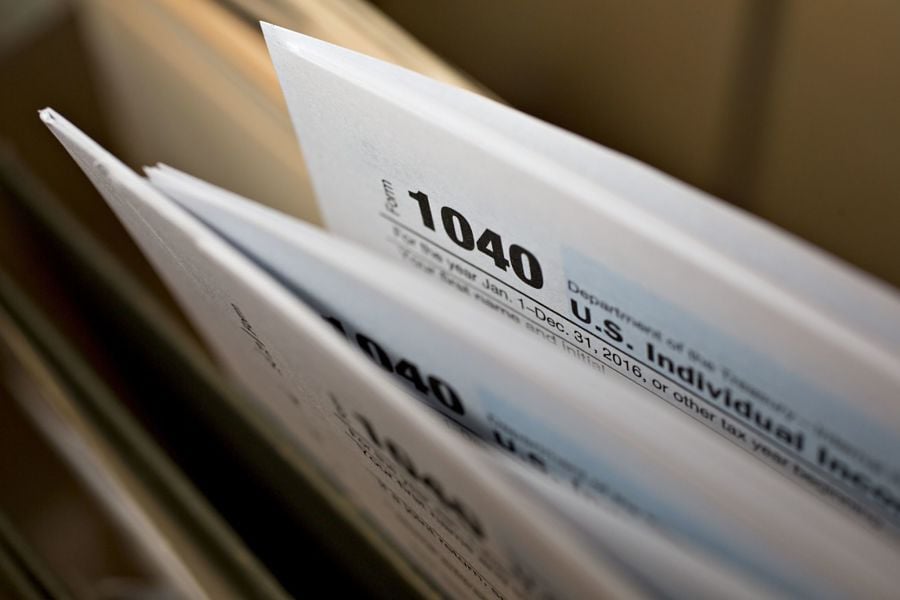
Tax forms and payments won’t be due to the Internal Revenue Service until July 15 this year, Treasury Secretary Steven Mnuchin said in a tweet.
“We are moving Tax Day from April 15 to July 15,” Mr. Mnuchin said. “All taxpayers and businesses will have this additional time to file and make payments without interest or penalties.”
The announcement follows an earlier decision to move the payment deadline, but not the filing deadline, to July 15 in response to the coronavirus pandemic. Tax professionals and lawmakers of both parties have said it could confuse taxpayers to have forms and payments due on separate days.
The change gives individuals and corporations an additional three months to file before they would owe interest and penalties for filing late. Many states have also delayed their filing and payment deadlines.
Mr. Mnuchin is encouraging taxpayers who are owed a refund to go ahead and file despite the delay so they can get their checks more quickly. The IRS recommends filing electronically and opting for direct deposit to get the money within about three weeks.
Part of the concern is that it could be difficult or unsafe for people to meet with their tax preparer before April 15 while most schools and many businesses are shut down to prevent the spread of the virus.
“It’s welcome news and it will put the minds of millions of taxpayers and preparers at ease,” said Cindy Hockenberry, director of tax research and government relations at the National Association of Tax Professionals.
Mr. Mnuchin has said the delay would free $300 billion of liquidity in the economy as individuals and businesses have more time to address short-term cash-flow issues if they can delay their tax payments.
On Wednesday, the IRS delayed the first installment of quarterly estimated tax payments that businesses and self-employed individuals send to the agency, which will now be due July 15. A stimulus package being negotiated in the Senate would move that deadline back even further, to Oct. 15.
The IRS also published information for employers with up to 500 workers on Friday advising them how to claim tax credits for providing paid sick and family leave to their employees.
Congress passed a law this week that reimburses those companies for providing up to 12 weeks of paid leave to workers dealing with virus-related issues, including staying home to care for children whose schools are closed.

The financial advice industry has been facing inquiries into its cash sweep programs for years now.

Investor money allegedly went to strip clubs, exotic cars, and landscaping

Procyon adds $415 million in assets under management in New Jersey while Savant picks up a $213 million Southern California planning firm

With a growing number of real estate-rich Baby Boomers aging into retirement, some advisors may be failing to consider all the options available for those clients' assets.

Cornerstone Advisors study reveals compliance bottlenecks stall campaigns weeks after customer opportunities close.
As AI makes financial information more accessible than ever, Lana Hock explains why human judgment, trust, and empathy remain the qualities clients value most in a financial advisor
Northern Trust’s Ken Lassner shows advisors how to convert volatility into after-tax portfolio gains

