
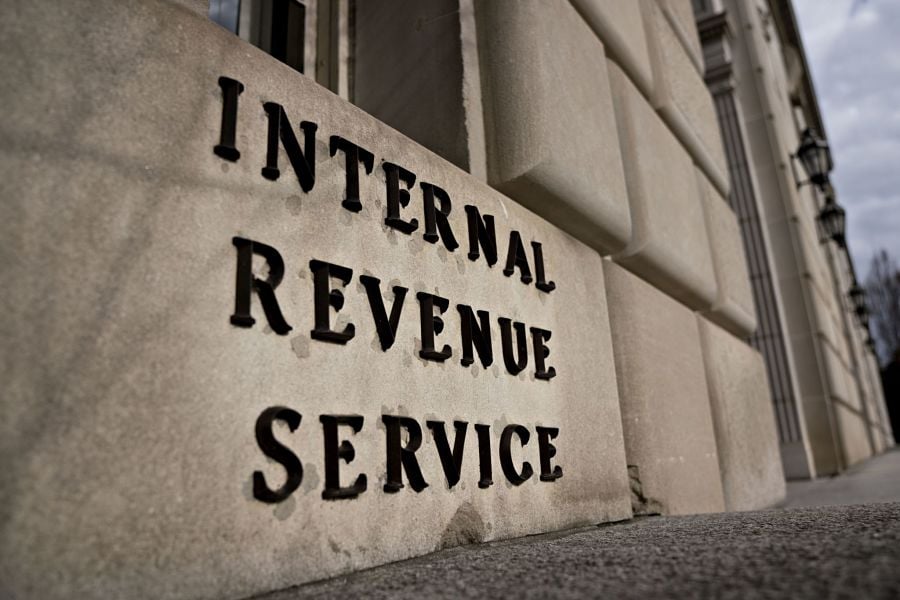
The Treasury Department and the Internal Revenue Service are proposing regulations that would strip federal tax-exempt status from private schools found to apply discriminatory practices in certain support programs for students, a move the agencies say delivers on President Trump's executive orders on discrimination and merit-based opportunity.
The proposals unveiled on Thursday would impact those private schools that have been determined to weigh race, color, or national origin in admissions, financial aid, athletics, or any other school-run program, which could reverberate into charitable giving conversations with clients who sit on school boards, run family foundations, or fund donor-advised accounts tied to private education.
“Under President Trump, this Administration is standing up for America’s students by ensuring racial discrimination has no place in American education,” Treasury Secretary Scott Bessent said in a written statement Thursday, calling out schools that "[rebrand] race-based preferences as equitable, inclusive, or diversity-enhancing.
“Today’s Treasury and IRS proposed regulations establish a clear standard, and the institutions that continue to use discriminatory practices will no longer receive the benefits of federal tax-exempt status,” he added.
“Private educational institutions that promote discriminatory practices will no longer be afforded the benefits of federal tax-exempt status,” added IRS Chief Executive Officer Frank Bisignano.
Under current IRS guidance, schools have been permitted to keep 501(c)(3) status even while favoring racial minority groups, so long as the intent was to promote a "racially nondiscriminatory policy." The new rule would eliminate that carve-out entirely.
Treasury and the IRS estimate the change could touch as many as 18,000 private educational institutions, spanning primary and secondary schools, colleges, universities, professional schools, and trade schools.
The proposal would not bar religious schools from selecting students based on genuine religious affiliation, and schools could still target aid using race-neutral criteria such as family income, geography, or first-generation status. Compliance would be required for tax years beginning on or after May 31, 2027, giving institutions roughly nine months to look over the proposed policy language.
The still-to-be-finalized rules could throw a wrench into conversations between advisors and philanthropic clients hoping to make an impact with schools. Assuming a school loses its exemption over findings of discrimination and lopsided race-based programs, contributions to it – including those routed through a client's donor-advised fund – would no longer qualify for a charitable deduction.
Advisors with clients donating to Harvard have seen this movie before. Last year, President Donald Trump took aim at the Ivy League's tax-exempt status after it refused to comply with an array of White House directives, including demands to effectively down its diversity, equity, and inclusion programs and reform its international admissions process to keep out students who are "supportive of terrorism and anti-Semitism."
The Treasury and IRS' latest actions against tax exemptions for colleges come just a few weeks after another proposal to restrict certain immigrants' ability to claim a number of refundable tax credits.
Under those rules floated last month, only citizens and certain lawfully present immigrants – including lawful permanent residents, asylum recipients, and refugees – would be able to claim the refundable share of the Earned Income Tax Credit, the Additional Child Tax Credit, the American Opportunity Tax Credit, and the Adoption Tax Credit.
Based on some estimates, approximately 200,000 to 700,000 tax filers could see reduced refunds from those proposals. To avoid the worst, taxpayers in mixed-status families would need to certify their citizenship or immigration status under penalty of perjury when filing; for joint filers, only one spouse would need to qualify.
The proposals – which the Treasury and IRS said are meant to apply and clarify existing federal law around eligibility for refundable income tax credits – would effectively put an end to illegal aliens collecting benefits at the expense of taxpayers, Bessent said at the time.
"These proposed regulations end the abuse, protect the integrity of the tax system, and put Americans first,” he said.
“American taxpayers should not be forced to foot the bill for benefits going to those who are barred by law from receiving them," he added.

Workforce trust measures predicted which companies came out ahead during COVID-19. The same dynamic may now be playing out across the AI transition — and the data suggests the spread could be just as wide.

Citigroup rounds out its AIMS and private bank leadership as wealth revenue climbs for a ninth straight quarter

New research tracking Form ADV disclosures finds registered investment advisors embracing artificial intelligence are growing headcount, not cutting it.

A new ACLI survey finds most middle-class Americans plan to rely on Medicare for long-term care, but that’s not covered!

The proposal to eliminate Rule 206(4)-5 would end a 16-year-old restriction that firms say has unfairly suppressed political speech.
Northern Trust’s Ken Lassner shows advisors how to convert volatility into after-tax portfolio gains
Dan Biagini of American Equity says the steady decline of pensions, longer lifespans and a reset in interest rates are rewriting how advisors build retirement income

