Scoundrel alert: SEC warns firms about policing of unauthorized trades

Scoundrel alert: SEC warns firms about policing of unauthorized trades
Wants advisory firms and brokerages to ramp up oversight; 'responsible risk-taking'
MAR 02, 2012
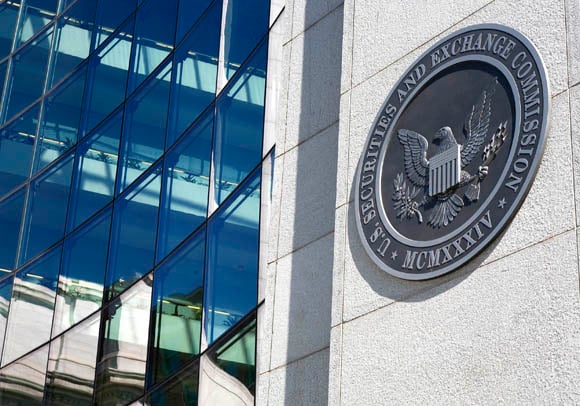
The top securities regulator in the U.S. wants investment advisers and brokers to take a closer look at certain trading behaviors to help root out unauthorized trading in accounts. Changes in trading patterns, a high volume of trade cancellations or corrections, manual trade changes and unexplained profits for a particular trader or client are all conditions that could warrant scrutiny, the Securities and Exchange Commission said Monday in a risk alert. Unauthorized trades might include rogue trades in client or proprietary accounts, creation of records of sham transactions or trades that exceed risk tolerances, the commission noted. Perpetrators could include traders, assistants on trading desks, portfolio managers, brokers, risk managers, advisers or other personnel — even those in administrative positions in the back office The alert, issued by the Office of Compliance Inspections and Examinations, said firms should review their compliance and supervisory procedures to see where improvements could be made. The regulator said such heightened oversight might include stress testing, independent trading reviews and possibly policies that would not allow traders to have remote access to trading accounts. Firms also should consider how compensation and other incentives are aligned with “responsible risk-taking,” the alert said. Noting that advisers and brokers have different regulatory requirements, the alert stated that both professions face “financial and reputational losses” from unauthorized trading. “Unauthorized trading is not a new problem, and the risks it poses should be a perennial concern to financial firms as well as to regulators,” said Carlo di Florio, director of OCIE. Todd Cipperman, a compliance attorney in Wayne, Pa., said it's noteworthy that the commission's exam staff is taking on this issue. Typically, rogue trading is addressed by the Financial Industry Regulatory Authority Inc., the self-regulatory organization for brokers.

Latest News

Why fixed income still belongs in your clients' portfolios

In an era of AI euphoria and market FOMO, getting back to basics with fixed income may be the most contrarian and most important move advisors can make.

Voya expands advisor managed accounts to add private market assets

Voya Financial adds private equity, credit and real estate options to its AMA program, building on support for looser federal investment rules in retirement accounts.

With executives leaving, Osaic’s Reid now in the spotlight

Shannon Reid, president of Osaic and the network’s number two executive, has plenty of challenges, industry executives said.

Investors sue crypto fund and platform, alleging $1.5 million never returned

Auditors flagged the commingling. The COO allegedly knew. Investors kept getting the pitch

Wells Fargo nabs $1.7B RBC advisor team, loses two teams to LPL

The advisors on the move include two brothers leading a family practice in Connecticut, and a husband-and-wife tandem working with business owners in the West Coast.

SPONSORED Who builds the income when the pension disappears?

Dan Biagini of American Equity says the steady decline of pensions, longer lifespans and a reset in interest rates are rewriting how advisors build retirement income

SPONSORED Why direct indexing stopped being optional

Direct indexing is on pace to outgrow ETFs and mutual funds. Northern Trust's Ken Lassner explains why the advisors who get it wish they had started sooner.