
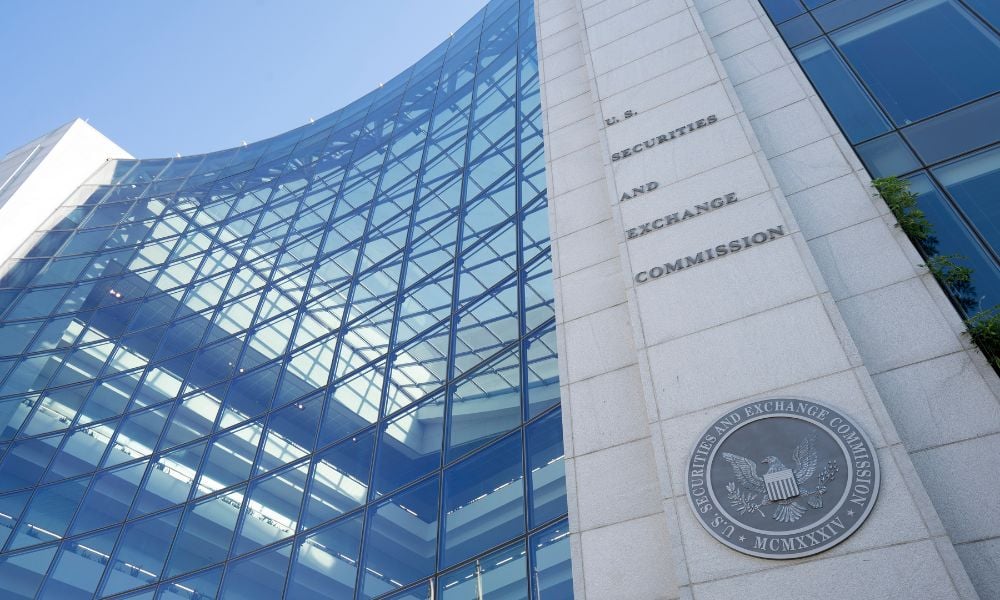
A federal judge has granted investor and data journalist Aaron Greenspan permission to significantly expand his Freedom of Information Act lawsuit against the U.S. Securities and Exchange Commission, adding twelve new claims centered on the agency’s handling of high-profile records requests.
In a March 29 ruling from the U.S. District Court for the District of Columbia, Judge Royce C. Lamberth approved Greenspan’s motion to amend his complaint. The newly added FOIA claims cover SEC communications and investigations involving Tesla, Bridgewater Associates, Meta Platforms, FTX, Gaotu Techedu, and Cramer & Co., among others. Greenspan also seeks records concerning internal emails from SEC officials and a reported database mishap revealed by Reuters in 2023.
The original complaint, filed in 2022, alleged that the SEC had failed to adequately respond to several FOIA requests, including those seeking the video of a 2019 deposition of Meta CEO Mark Zuckerberg and communications with Columbia Law School professor Joshua Mitts. Greenspan claims the SEC either stonewalled or only partially fulfilled its FOIA obligations, prompting him to pursue additional legal action.
The SEC opposed the motion to amend, arguing the new claims were available earlier and that expanding the case would cause undue delay and prejudice. The court disagreed, ruling that the new FOIA claims were closely tied to the original complaint and based on the same statutory framework. The case remains in early stages, with no discovery or dispositive motions filed, reducing concerns of prejudice.
However, the court denied Greenspan’s request to add a civil rights claim under 42 U.S.C. § 1983. That claim alleged that the SEC wrongfully closed a whistleblower tip Greenspan submitted about Tesla in 2021, reflecting alleged bias against pro se tipsters and short-sellers. Judge Lamberth ruled that the civil rights allegation introduced a different legal theory and set of facts that would “radically alter the scope and nature” of the FOIA-centered litigation.
The expanded complaint will now proceed with a wider range of FOIA claims, adding scrutiny to how the SEC handles requests for information on companies and cases of substantial interest to investors and market analysts. Although the court did not rule on the merits of any FOIA violation, the decision signals that claims of procedural misconduct by regulators may receive judicial attention—especially when tied to transparency in enforcement activity.
The case, Greenspan v. U.S. Securities and Exchange Commission, underscores the increasing use of FOIA by financial professionals, journalists, and independent researchers to access information that may shed light on regulatory priorities, enforcement delays, or behind-the-scenes decision-making at agencies that shape the financial markets.

Inflation delays treatment while insured patients still fight for medication access

Public support grows for policies that spread AI’s financial gains beyond tech companies.

Investment banking fees rose 30% on a wave of IPOs and megadeals, led by the largest public listing on record.

Series A funding from Portage, Bain Capital, and other investors will fuel data tools designed to speed advisor transitions and cut onboarding delays across wealth firms.

The Minneapolis-based RIA aggregator is adding two North Carolina practices managing nearly $1 billion, pushing its total client assets past $158.2 billion.
Northern Trust’s Ken Lassner shows advisors how to convert volatility into after-tax portfolio gains
Dan Biagini of American Equity says the steady decline of pensions, longer lifespans and a reset in interest rates are rewriting how advisors build retirement income

