
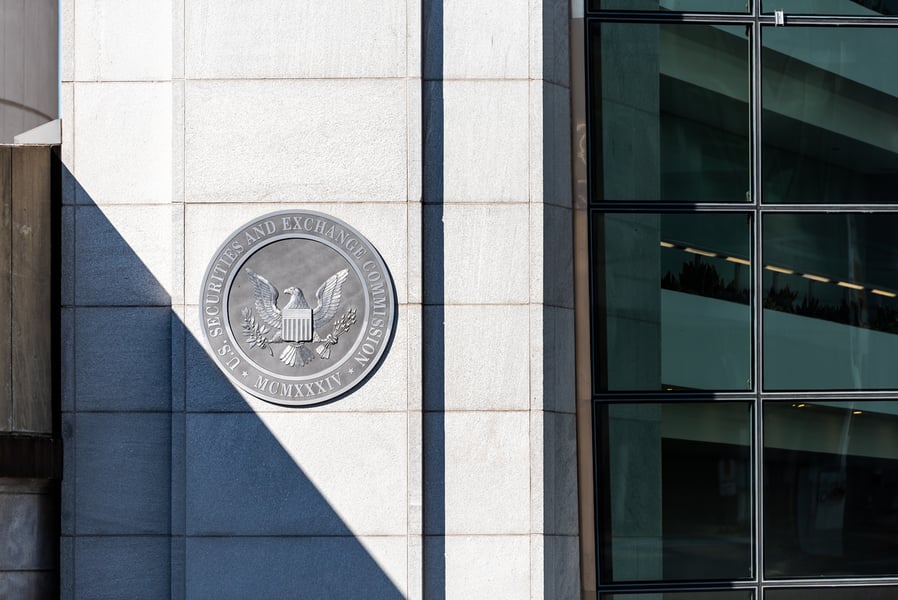
A Texas-based investment adviser has been fined $95,000 by the SEC after an investigation by the agency found the firm in violation of the "pay to play" rule under the Advisers Act.
The violations stem from improper campaign contributions made by a newly hired associate, which ultimately led to the Austin-based firm illegally providing advisory services to a government client.
According to the SEC order issued on August 19 against Obra Capital Management, the infractions relate to a $7,150 campaign contribution made in December 2019 by an individual whom the firm later hired in July 2020 into a position that made him a covered associate.
The contribution was directed to a Michigan government official with influence over the Michigan Public Employees’ Retirement Fund, which had invested in a closed-end fund managed by Obra Capital. The office of that government official had the ability to influence which investment advisers the fund hired, according to the SEC.
“In 2017, the Michigan Department of Treasury, on behalf of the Michigan Public Employees’ Retirement Fund, committed to invest, and subsequently invested, approximately $100 million in a private fund advised by Obra Capital,” the SEC order stated.
"The individual’s contribution triggered the ‘look back’ provision … [which says] contributions made within the two years (or six months if the covered associate does not solicit government entities on behalf of the investment adviser) before a person becomes a covered associate are subject to the prohibition set forth under Rule 206(4)-5(a)(1),” the SEC said.
The new hire's contribution surpassed the $350 limit defined as a safe zone under the rule, the SEC noted. And while the individual sought to get the money back and was successful, he didn't get it within 60 days after Obra Capital learned of the contribution – another provision required for an exception.
Under the pay to play rule which took effect in 2010, Obra Capital should have recused itself from providing advisory services to government clients, including the Michigan pension fund, for two years. However, the SEC found that Obra Capital continued to collect fees from the fund during that time.
“Between September 2020 and May 2021, the individual solicited government entities for Obra Capital by attending and participating in meetings and presentations with government entities who were invested or solicited to invest in funds advised by [the firm],” the SEC said.
Aside from the $95,000 penalty, the SEC censured Obra Capital and ordered it to refrain from future violations of the pay to play rule.
In a similar case in April, the SEC issued a $60,000 penalty against a Minnesota RIA where a firm associate put $4,000 towards the campaign of a politician with sway to select which money managers would handle investments for the state.

A Nationwide survey finds 47% of GLP-1 users have never discussed the drugs’ financial impact with an advisor, even as many dip into savings.

The hundreds of millions of dollars from a sale of Inspired Healthcare properties does not mean an immediate windfall for investors.

Its SEC filings said one thing - a congressional probe said another.

Sham agreements allegedly padded revenue by 345%.

"Most pre-retirees are uncomfortable making key retirement income decisions without an advisor's help," said Chris Bailey of Cerulli.
Knighthead Life entered the market with a competitive MYGA. A strong launch earned advisor confidence and paved the way for FIAs.
As AI makes financial information more accessible than ever, Lana Hock explains why human judgment, trust, and empathy remain the qualities clients value most in a financial advisor

