
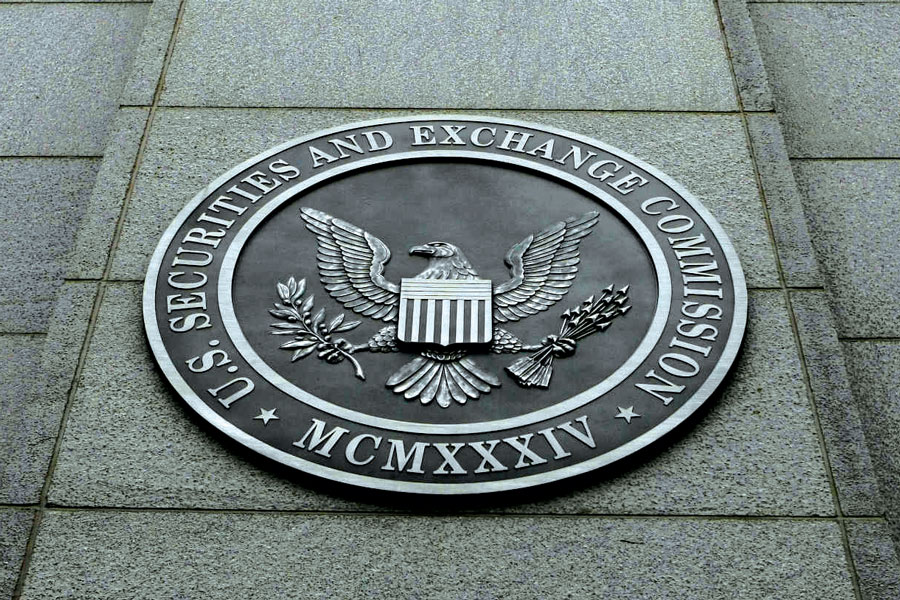
In a departure from previous protocol, lawyers at the SEC are now required to seek approval from the agency’s politically appointed leadership before formally launching investigations.
Citing two unnamed sources familiar with the matter, Reuters reported the procedural change on Monday, noting it could slow down the enforcement process by shifting more decision-making power to the commission.
Previously, the authority to approve formal orders of investigation rested in the hands of lower-level enforcement staff, although the commission retained the ability to review and block such orders.
The adjustment comes as the SEC operates under new Republican leadership following departures from the agency last month. The Commission currently consists of three members, Republicans Mark Uyeda and Hester Peirce, along with Democrat Caroline Crenshaw.
Following fomer SEC Chair Gary Gensler's January 20 departure, Uyeda was announced as the federal agency's acting chair. Former SEC Commissioner Paul Atkins, who's been tapped as President Donald Trump favored nominee, is expected to take over.
According to Reuters, SEC enforcement staff were notified in recent days that they must ask the commission's approval for all orders of investigation, which are necessary to issue subpoenas for testimony or documents.
It remains unclear whether the Commission has officially voted to revoke that delegation of authority or if the change was ordered unilaterally. While enforcement staff can still conduct informal investigations and request information, the new process means commissioners will have greater oversight earlier in enforcement actions.
Supporters of the policy argue that it prevents unnecessary harm to individuals under investigation, while critics contend it undermines staff autonomy.
During an industry panel discussion on Tuesday, Reuters said Steven Peikin, former SEC co-director of enforcement under Republican Chairman Jay Clayton, speculated that formal orders could see changes as part of an anticipated industry-friendly turn at the agency under the Trump administration.
“I think it's a huge waste of commission resources to be focused on formal order authority,” Peikin said.

Meanwhile, DPL Financial Partners adds two annuity executives and Prime Capital Financial hires a Mid-Atlantic retirement plan consultant

Andrew Komarow pleaded guilty Thursday in federal court in Hartford to defrauding three financial services companies of close to $3.3 million.

Elsewhere, Cetera picks up a $210 million Connecticut team from MML, while Wells Fargo FiNet adds a San Diego family practice from LPL

Celebrity endorsements, $500M in claimed assets, and a state regulator stepping in.

“We needed to become a more agile and efficient organization,” said American Express CEO Stephen Squeri.
Knighthead Life entered the market with a competitive MYGA. A strong launch earned advisor confidence and paved the way for FIAs.
As AI makes financial information more accessible than ever, Lana Hock explains why human judgment, trust, and empathy remain the qualities clients value most in a financial advisor

