
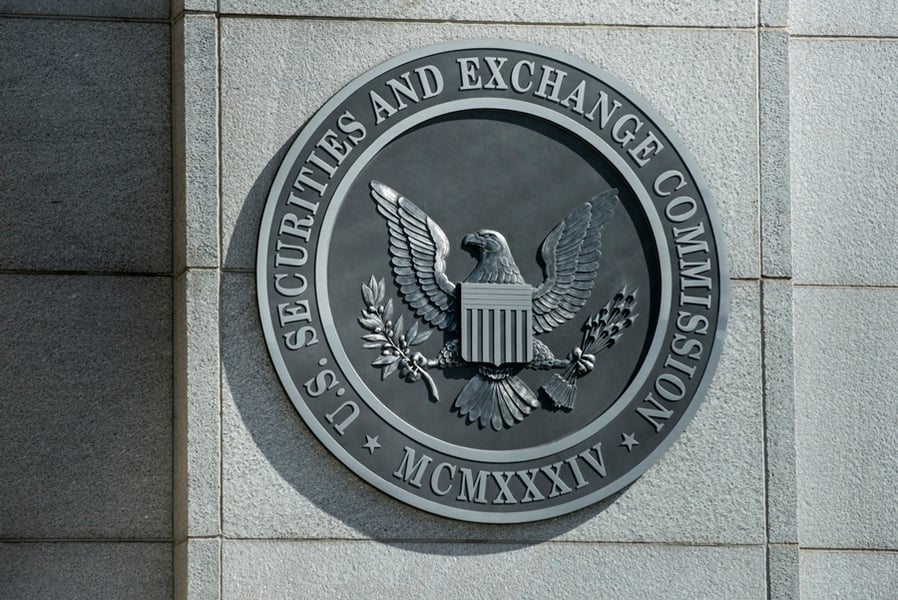
The Securities and Exchange Commission is moving to dramatically expand which RIAs and funds it considers “small,” in a shift that could change how the agency weighs the impact of future rules on a wide swath of the advisory business.
Under a proposal released this week, the SEC would raise the threshold for RIAs to be treated as small entities under the Regulatory Flexibility Act from $25 million in assets under management to $1 billion. For investment companies, the cap would jump from $50 million to $10 billion in assets.
The small-entity label matters because the RFA requires federal agencies to analyze how new rules would affect smaller players and to consider alternatives that could reduce their compliance burden. For RIAs, the change would mean far more federally registered firms are explicitly counted when the SEC runs those cost-benefit exercises.
The proposal also would update how related fund assets are aggregated when determining whether an investment company qualifies as small, and it would build in a process to adjust the dollar thresholds for inflation every 10 years.
In a statement announcing the proposed rule, SEC chair Paul Atkins framed the move as part of a broader effort to recalibrate rules with an eye to firm size and resources.
The commission, he said, has “a longstanding commitment to understanding and addressing the concerns of small entities” and the plan “would further this commitment by more accurately capturing the types and numbers of investment advisers and investment companies that are ‘small.’”
He added that the changes should help the SEC “more appropriately promote the effectiveness and efficiency of its regulations, with the goal of minimizing the significant economic impact on small entities.”
The SEC is soliciting comments from concerned stakeholders on the proposed revisions. Among dozens of other questions, it's asking where the $10 billion threshold under consideration would be useful to identify investment companies as "small entities," and whether other metrics should be considered other than net assets in making the determination.
The Investment Adviser Association, which has pushed for years to overhaul the SEC’s small-entity definition, quickly backed the proposal.
In a statement, the group said it “highly commends the SEC for proposing to update its definition of small investment adviser” and called the move “an important step towards recognizing that the investment adviser industry is largely made up of small businesses that face different resource constraints from larger firms and that regulation should more appropriately take these factors into consideration.”
According to the most recent industry snapshot by the IAA, around two-thirds (68.5%) of RIA firms registered with the SEC manage less than $1 billion, and roughly seven-eighths (87.8%) manage less than $5 billion.
Industry advocates have long argued that the existing $25 million line is out of sync with the modern advisory landscape, particularly since the Dodd-Frank Act effectively pushed the minimum AUM for SEC registration to $100 million. With that higher registration floor in place, critics say, almost no RIAs the commission supervises should realistically be treated as small under the current test.
The proposal will be published in the Federal Register, triggering a 60-day comment period. RIAs, asset managers and trade groups will be able to weigh in on the revised thresholds, the new aggregation method and the inflation-adjustment process before the SEC decides whether to finalize the changes.

The four wirehouse firms lost 1,449 experienced advisors and recruited 932 in the first six months of the year, according to Diamond Consultants.

Merit's 10th Commonwealth addition deepens its Western New York reach, while another Hightower partner joins its Signature Wealth platform in Michigan.

Report on Climate Action 100+ signals risk for passive managers' 13G status heading into the 2027 proxy season.

Advisors say record balances aren't a retirement income plan and urge clients to benchmark their lives, not an index

Wealth enterprises are leaving revenue on the table - a new PureFacts and Ascentix partnership aims to help firms take it back.
Knighthead Life entered the market with a competitive MYGA. A strong launch earned advisor confidence and paved the way for FIAs.
As AI makes financial information more accessible than ever, Lana Hock explains why human judgment, trust, and empathy remain the qualities clients value most in a financial advisor

