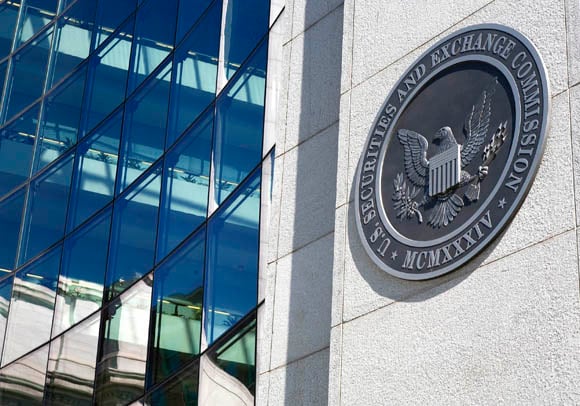
Even though approximately 3,000 investment advisers with assets under management between $25 million and $100 million will switch their registration from the Securities and Exchange Commission to the states by this summer, the SEC's oversight burden will still be heavy.
As the mid-size advisers depart, the SEC will assume responsibility for private fund managers. That mandate from the Dodd-Frank financial reform law is meant to enable the agency to help monitor any systemic risk the complex funds may cause.
So far, about 1,250 of them have filed their SEC applications since January. That's approximately 300 more than the agency anticipated, Robert Plaze, deputy director of the SEC's Division of Investment Management, said last week at the Investment Adviser Association's compliance conference in Arlington, Va.
With the addition of large
private equity and hedge funds, the assets under management for which the SEC is responsible will actually rise from about $43 trillion to $47 trillion.
This means that the agency's 450 investment-adviser examiners will not necessarily breathe easier beginning in July, when the so-called “switch” is complete and the private funds are fully on board.
The SEC has requested $245 million from Congress to boost its $1.321 billion budget. One of its priorities will be to hire about 222 more examiners. The SEC has done better than other agencies in obtaining budget increases as Washington obsesses about the budget deficit.
But the agency never gets as much money as it says it needs. The examination program has to become more efficient. It is doing so by improving the targeting of the firms it reviews, zeroing in on those that fit a higher risk profile.
“We're not doing routine cycle exams,” Norman Champ, deputy director of the SEC Office of Compliance Inspections and Examinations, said at the IAA conference. “We have to be very careful where we send these limited resources.”
In addition to The SEC also is honing the areas that it is monitoring, rather than taking a broad-brush approach. For instance, it's taking a hard look at fiduciary duty related to complex structured products, such as alternative mutual funds.
It's also looking for firms that treat some clients better than others and those that claim superlative performance that probably can't be delivered.
“Where we're really focused is preferential treatment – whether it's in how opportunities are allocated, how trades are allocated, [how] fees and expenses are allocated,” OCIE director Carlo di Florio said at the IAA conference. The agency is using “risk analytics to identify fraud, whether it's aberrational performance, unknown service providers or other custody arrangements that suggest increase risk of fraud.”
Mr. Di Florio also said that the agency is taking a holistic view of compliance and sitting down with a firm's officers to “start a dialogue” about compliance.
“It gives us a chance to assess the tone at the top and the culture of the firm and those who are driving that culture,” Mr. DiFlorio said. “We want to make sure we're engaging the leadership in compliance, risk management, financial control and internal audit.”
Congress is unlikely ever to give the SEC all the money it wants for its operations. It's likely that this trend toward doing fewer exams better will continue.
[More: Jeffrey Cutter SEC charges advisor with failing to disclose annuity commissions]