
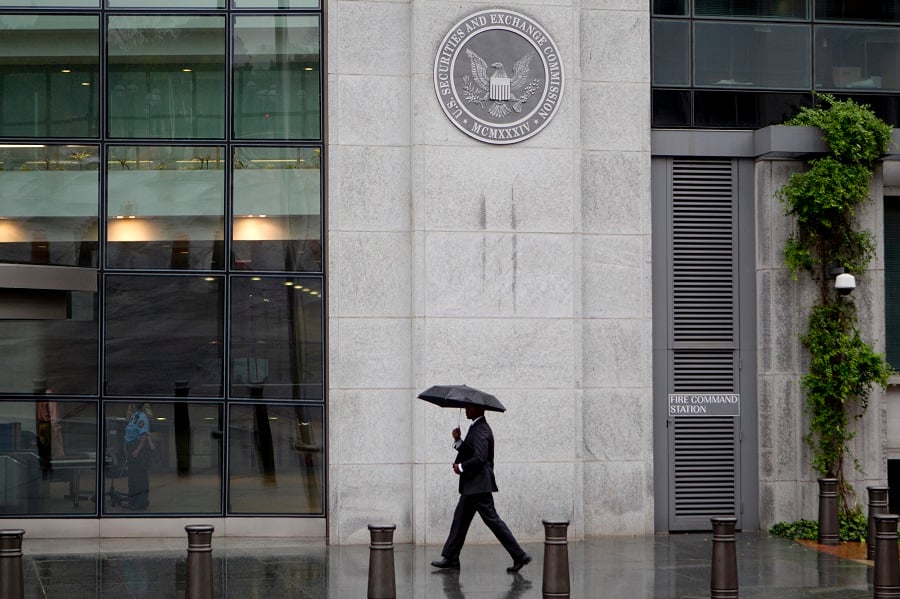
A final consent judgment, which includes payment of $35 million in disgorgement and prejudgment interest, has been filed against International Investment Group, a former registered investment adviser, which the Securities and Exchange Commission had charged with securities fraud for hiding losses and selling millions in fake loan assets to clients.
The SEC’s complaint, filed on Nov. 21, 2019, alleged that New York-based IIG grossly overstated the value of defaulted loans in its flagship fund to conceal losses. The SEC said that IIG later doctored the firm’s records to show that the defaulted loans had been repaid and that the proceeds had been used to make new loans, when no repayment had been made and the purported new loans were fake.
The SEC also alleged that IIG executives sought to raise money to meet investor redemptions and other liabilities by selling at least $60 million in fake trade finance loans to other clients, including a collateralized loan obligation, a retail mutual fund and two hedge funds. To do this, IIG created fake loan documentation, the SEC said in a release.
The SEC revoked IIG’s registration as an investment adviser on Nov. 26, 2019.

Mara Glassel and Julie Fox will co-lead the fast-growing hybrid RIA’s ultra-high-net-worth and private wealth businesses.

The banking giant's wealth arm extends its revenue streak as it pushes to exit consent orders weighing on growth since 2020.

New Allspring research finds 401(k) participants want guidance on income and rollovers, not just portfolio automation.

Aging homeowners hold record housing wealth - but most advisors still aren't bringing it into retirement plans

$1.7M invested from an inheritance. Then the phone went dead.
Knighthead Life entered the market with a competitive MYGA. A strong launch earned advisor confidence and paved the way for FIAs.
As AI makes financial information more accessible than ever, Lana Hock explains why human judgment, trust, and empathy remain the qualities clients value most in a financial advisor

