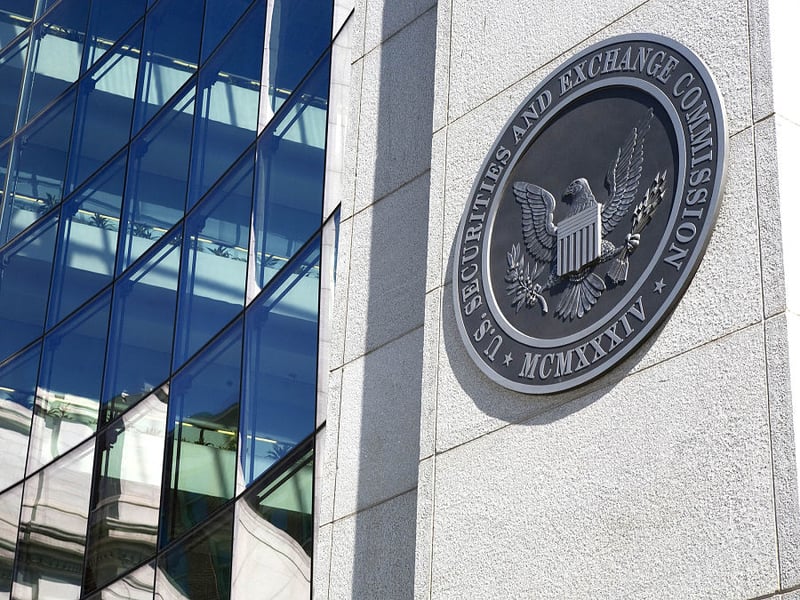

SEC requires broker-dealers to disclose more about client orders

SEC requires broker-dealers to disclose more about client orders
Changes are designed to help investors understand how the B-D routes their order and how that affects execution quality.
NOV 05, 2018

The Securities and Exchange Commission voted Friday to amend its rules to require broker-dealers to give clients more information about how they handle trade orders. The changes are designed to help investors understand how their B-D routes their order and how that affects order execution quality. The SEC is amending Rule 606 of Regulation National Market System to require that when brokers are handling an order in which the client has given them discretion on the order's price and timing, the broker must provide the client with information that includes the average fees they pay the trading venue and the average rebates they receive from the trading venue. (More: Schwab, Fidelity, other brokers releasing more information on stock trades, but critics say it doesn't help much)​ "In the 18 years since the commission originally adopted its order handling and routing disclosure rules, technology and innovation have driven significant changes in the way that our equities market functions and investors transact," SEC chairman Jay Clayton said in a statement. "This rule amendment will make it easier for investors to evaluate how their brokers handle their orders and ultimately make more informed choices about the brokers with whom they do business." (More: CAT implementation uncertainty gives broker-dealers strategic options)​ There are two exceptions to the disclosure requirement that are designed to limit the costs of its implementation, especially for smaller broker-dealers. The alterations to the rule also mandate changes to broker-dealers' quarterly reports, requiring them to report the terms of any arrangements for payments for order flows and any profit-sharing relationships.

Latest News

Edward Jones facing more race bias claims in new lawsuit

A private partnership, Edward Jones is a giant in the retail brokerage industry with more than 20,000 financial advisors.

Advisor moves: LPL recruitment momentum continues with $815M Northwestern Mutual team

Meanwhile, Raymond James and Tritonpoint Partners separately welcomed father-son teams, including a breakaway from UBS in Missouri.

SEC chief Atkins signals caution on prediction market ETFs amid broader rethink of novel fund structures

Paul Atkins has asked staff to solicit public comment on novel ETFs, pausing the clock on as many as 24 filings linked to the booming event contracts market.

Private capital's $1 trillion bet on the American retirement account

From 401(k)s to retail funds, Deloitte sees private equity and credit crossing into mainstream investing on two fronts at once.

Advisor moves: Wells Fargo Advisors pulls in $9.6b in fresh talent during first half of May

Big-name defections from Morgan Stanley, UBS, and Merrill Lynch headline a busy two weeks of recruiting for the wirehouse.

SPONSORED Are hedge funds the missing ingredient?

Wellington explores how multi strategy hedge funds may enhance diversification

SPONSORED Beyond wealth management: Why the future of advice is becoming more human

As technical expertise becomes increasingly commoditized, advisors who can integrate strategy, relationships, and specialized expertise into a cohesive client experience will define the next era of wealth management