
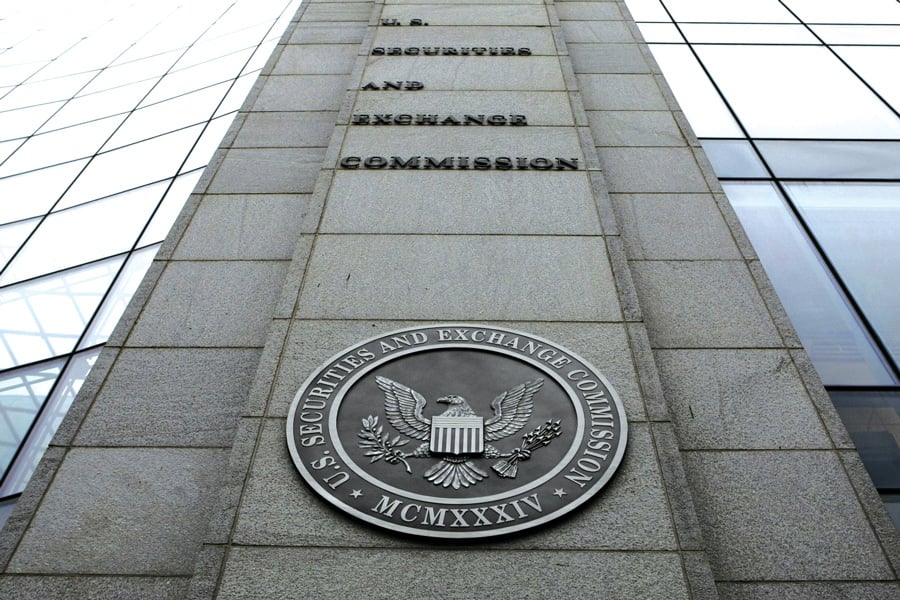
The Securities and Exchange Commission has obtained a final judgment against California-registered investment adviser representative Paul Horton Smith Sr., his companies Northstar Communications and Planning Services, and his California-registered investment adviser eGate, for perpetrating a $5.6 million investment fraud that targeted retirees and pre-retirees in Southern California.
Smith was previously charged in a parallel criminal action and is currently awaiting trial.
In May, the SEC alleged that Smith and his entities defrauded at least 35 investors by falsely claiming that Smith and Northstar would pay investors guaranteed interest based on investments in specified products. The complaint alleged that they failed to invest the funds raised as promised and instead used new investor funds to pay investor returns in a Ponzi-like fashion.
The final judgment orders the defendants, jointly and severally, to disgorge $4.24 million in ill-gotten gains plus prejudgment interest of $383,059, and orders Smith to pay a civil penalty of $4.24 million.

Meanwhile, DPL Financial Partners adds two annuity executives and Prime Capital Financial hires a Mid-Atlantic retirement plan consultant

Andrew Komarow pleaded guilty Thursday in federal court in Hartford to defrauding three financial services companies of close to $3.3 million.

Elsewhere, Cetera picks up a $210 million Connecticut team from MML, while Wells Fargo FiNet adds a San Diego family practice from LPL

Celebrity endorsements, $500M in claimed assets, and a state regulator stepping in.

“We needed to become a more agile and efficient organization,” said American Express CEO Stephen Squeri.
Knighthead Life entered the market with a competitive MYGA. A strong launch earned advisor confidence and paved the way for FIAs.
As AI makes financial information more accessible than ever, Lana Hock explains why human judgment, trust, and empathy remain the qualities clients value most in a financial advisor

