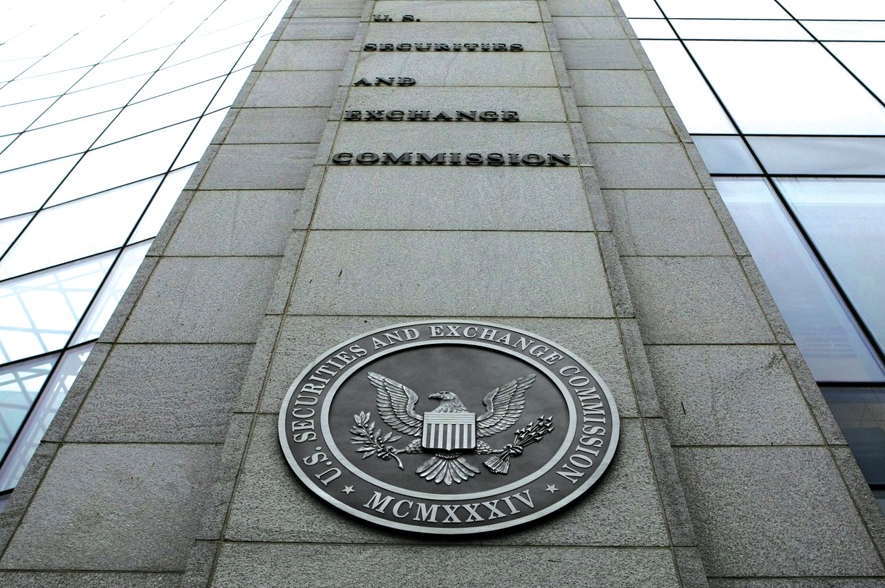
Investors embrace but fail to grasp disclosures intended to help them distinguish between investment advisers and brokers included in the Securities and Exchange Commission's investment advice reform proposal, according to testing results the SEC released on Wednesday.
Investor advocates say the responses support their warnings that the client relationship summary, or
Form CRS, fails to give investors the information they need to choose the appropriate financial professional.
A
RAND Corp. survey of 1,816 people conducted on behalf of the SEC shows that nearly 90% said that Form CRS would help them make informed decisions about investment accounts and services. Another 75% said that the document helped them understand key terms and conflicts of interest associated with advisers and brokers.
But interviews with participants in the qualitative section of the study revealed they didn't absorb what they read in Form CRS.
"[T]hey did not appear to have synthesized the information and be able to apply it," the RAND study states. "Others seemed to misunderstand the differences between account types and financial professionals from the beginning, never fully grasping it."
That outcome echoes the findings of recent investor testing on Form CRS conducted by the Financial Planning Coalition, the Consumer Federation of America and AARP, according to Maureen Thompson, vice president of policy at the
Certified Financial Planner Board of Standards Inc.
(
More: What's next for the SEC advice rule?)
"Although investors say they like the form, it is clear that it doesn't enable them to understand critical concepts and make an informed decision about what type of financial professional to work with and what type of account is best for them," Ms. Thompson said. "The intent of Form CRS was to inform clients and customers about the standard of conduct and conflicts of interest the firm may have, among other things. This newest RAND testing shows that Form CRS falls short in this respect."
The investor testing demonstrates how difficult it is for the SEC to formulate effective disclosures, said Barbara Roper, director of investor protection at the
Consumer Federation of America.
"This is really tough to get right, and there is still a lot of work to be done," she said.
The Form CRS is one part of the advice reform package. Its centerpiece is the so-called
Regulation Best Interest, which is designed to raise broker advice standards by requiring them to put more emphasis on their clients' returns than on their own fees.
The broker standard has been widely criticized, including by SEC commissioners, for failing to articulate what is meant by "best interest." That shortcoming affects Form CRS, too, according to Ms. Roper.
"You can't write a clear disclosure of a vague and undefined standard," she said.
Last week, the Investment Adviser Association expressed concern that the SEC would fail to take into account the investor testing results before issuing a final advice rule.
(
More: SEC's proposed advice rule is about as clear as mud)
In a Thursday Tweet, Ms. Roper indicated she also questions whether the SEC will take the RAND results to heart: "So here's the question: Will [the SEC] point to positive survey findings to justify moving ahead with a deeply flawed Form CRS, or will they acknowledge that testing shows the form leaves investors confused and misinformed?"
In a statement accompanying the RAND report, SEC Chairman Jay Clayton said SEC staff is carefully reviewing the results.