
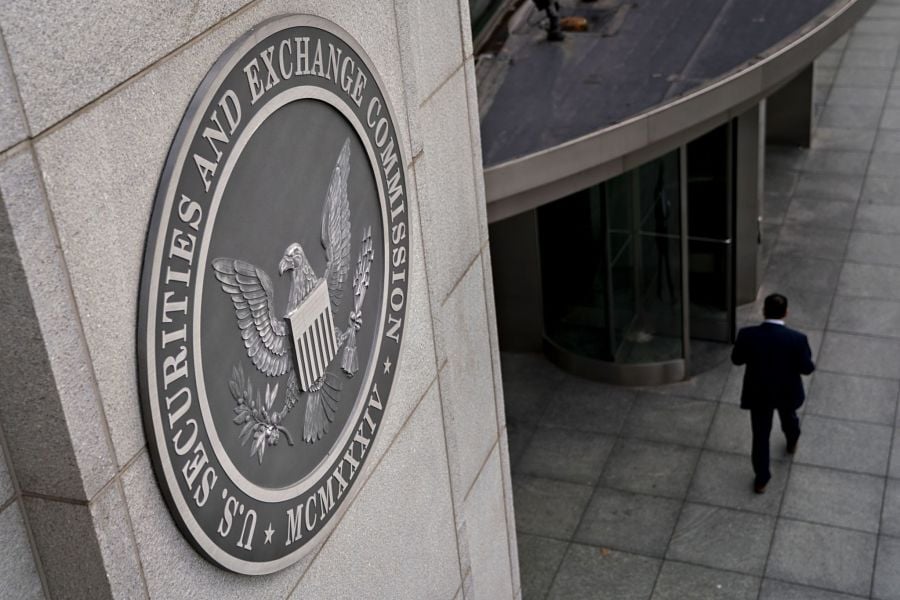
The Securities and Exchange Commission has a fresh warning for the booming SPAC market: Blank-check companies aren’t an end around to avoid disclosing key information to investors.
In a statement Thursday, a top SEC official made clear that despite their unique structure, special purpose acquisition companies are covered by federal securities rules. Claims that promoters face less legal liability than a traditional public offering are “uncertain at best,” said John Coates, the acting director of the agency’s corporation finance division.
SPACs list on public stock exchanges to raise money for the purpose of buying other companies. For months, the SEC has been raising red flags that investors aren’t being fully informed of potential risks.
Coates emphasized that the firms have obligations as they seek to identify an acquisition target, and eventually take it public through another transaction known as a de-SPAC.
“A de-SPAC transaction gives no one a free pass for material misstatements or omissions,” he said. “All involved in promoting, advising, processing, and investing in SPACs should understand the limits on any alleged liability difference between SPACs and conventional IPOs.”
About 300 SPACs launched on U.S. exchanges in the first quarter, raising almost $100 billion. That total was more than SPACs raised all of last year.
The deluge has overwhelmed those responsible for reviewing filings at the SEC, triggered a surge in liability insurance rates for blank-check companies and fueled market anxieties that the bubble is about to burst.

New Escalent research finds younger, more diverse DC plan participants are open to rollovers - but increasingly prefer outside firms.

UBS finds millionaire investors are more optimistic than before 2024 but are actively repositioning portfolios ahead of November 3.

Auto-enrollment has landed for 60 million children, but Baird planning director says key questions on rollovers and Roth conversions remain open.

MyComplianceOffice's AI-assisted surveillance links employee chats on Slack and Telegram with prediction market trades as Wall Street tightens rules

Elsewhere, Raymond James absorbs a family-run practice from Commonwealth into its independent channel, while RBC welcomes a father-son tandem formerly from UBS.
Knighthead Life entered the market with a competitive MYGA. A strong launch earned advisor confidence and paved the way for FIAs.
As AI makes financial information more accessible than ever, Lana Hock explains why human judgment, trust, and empathy remain the qualities clients value most in a financial advisor

