
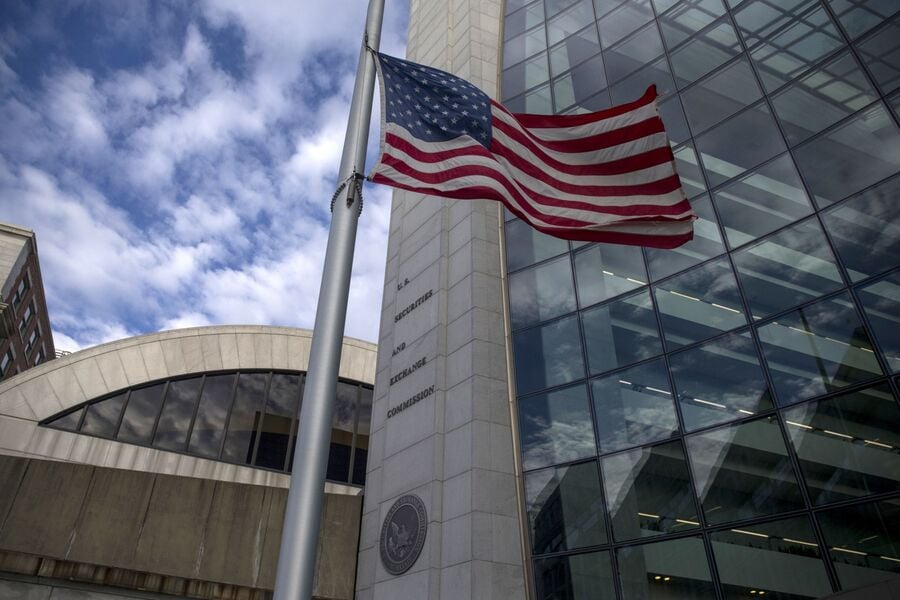
Wall Street’s main regulator is moving to introduce new rules for brokerages that use artificial intelligence to interact with clients.
The Securities and Exchange Commission said Tuesday that a long-contemplated plan to rein in conflicts of interest associated with the technology could be introduced as soon as October. The proposal would also apply to predictive data analytics and machine learning.
Since taking the helm of the agency two years ago, SEC Chair Gary Gensler has repeatedly expressed concerns over whether brokers and financial advisers really make recommendations that are in their clients’ best interests. He’s also said certain new technologies when used by financial professionals can present “inherent” conflicts of interest.
“Technology, markets, and business models constantly change. Thus, the nature of the SEC’s work must evolve as the markets we oversee evolve,” Gensler said in a statement on Tuesday.
The SEC started exploring potential conflicts of interest associated with the technologies back in 2021. Meanwhile, robo-advisers, brokerages and wealth managers have been exploring how to individually target consumers with tailored marketing, pricing and prompts.
Despite an explosion in media attention around AI tools, the U.S. government hasn’t formulated a comprehensive approach to the new technologies. Earlier on Tuesday, Rohit Chopra, the country’s top consumer watchdog said that if left unchecked, AI could usher in more fraud and discrimination in finance.
The looming proposal to crack down on AI use by brokerages was introduced in the SEC’s semiannual rule-writing agenda, which included dozens of other regulatory plans.
The agency said it planned to propose requiring more robo-advisers, or internet advisers, to register as money managers with the agency. That tag carries additional regulatory requirements.
The SEC also said it was weighing requiring large brokers to calculate their customer reserve deposit requirements on a daily, rather than on a weekly basis.

Elsewhere, Wells Fargo Advisors adds a $400 million Morgan Stanley veteran in Naples as an ex-Cetera advisor goes independent with LPL

According to a federal charges Bradley Heppner, 60, received more than $150 million in payments through funneling money from GWG Holdings to a shell company.

A $1B fund allegedly skimmed 30% off the top, then swapped cash for locked-up stock.

Insiders allegedly rewrote projections three times in four days.

TCI Wealth Advisors also has also tapped JIFFYAI to unify onboarding and servicing, while TradePMR adds ICE market data to its Fusion advisor platform
Knighthead Life entered the market with a competitive MYGA. A strong launch earned advisor confidence and paved the way for FIAs.
As AI makes financial information more accessible than ever, Lana Hock explains why human judgment, trust, and empathy remain the qualities clients value most in a financial advisor

