
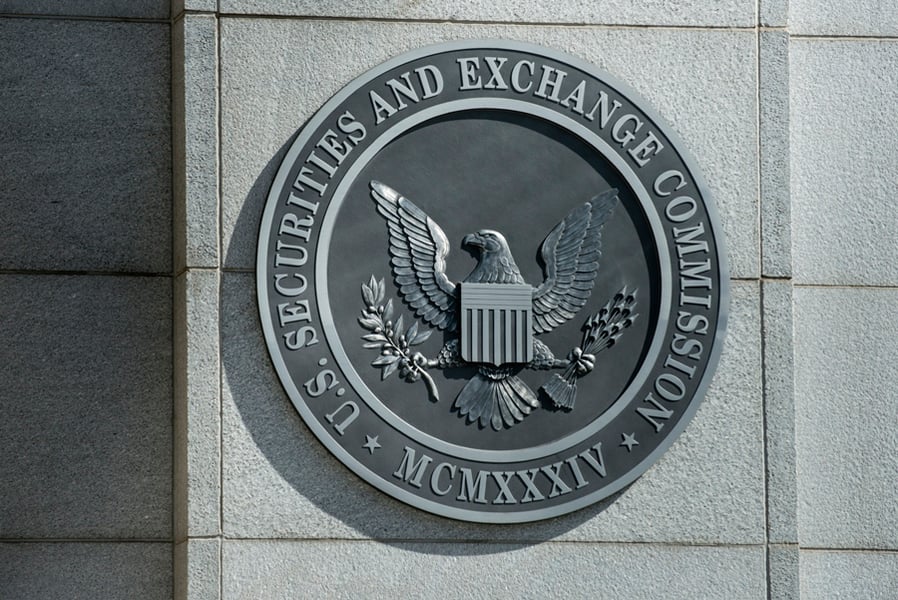
The Securities and Exchange Commission is warning brokerages to be vigilant in watching out for trading risks amid increased volatility in global markets.
The SEC’s trading and markets unit said in a statement Monday that firms should have “strong” risk management practices in place and that concentrated positions of prime brokerage counterparties “pose particular concerns.”
Wall Street’s main regulator said that firms should stress-test trading positions in light of “current events and potential market movements.” Financial markets have been experiencing wild price swings as investors grapple with rapidly changing geopolitical developments following Russia’s invasion of Ukraine.
Brokerages should also collect margin from counterparties as much as possible, and make efforts to determine their aggregate positions, the SEC staff said.
Brokerage counterparty risk became a major concern for the SEC last year when the implosion of Bill Hwang’s family office, Archegos Capital Management, triggered the sales of billions of dollars in equities and steep losses for major Wall Street firms. In December, the regulator released a plan that would place additional restrictions on firms trading security-based derivatives.

Elsewhere, Wells Fargo Advisors adds a $400 million Morgan Stanley veteran in Naples as an ex-Cetera advisor goes independent with LPL

According to a federal charges Bradley Heppner, 60, received more than $150 million in payments through funneling money from GWG Holdings to a shell company.

A $1B fund allegedly skimmed 30% off the top, then swapped cash for locked-up stock.

Insiders allegedly rewrote projections three times in four days.

TCI Wealth Advisors also has also tapped JIFFYAI to unify onboarding and servicing, while TradePMR adds ICE market data to its Fusion advisor platform
Knighthead Life entered the market with a competitive MYGA. A strong launch earned advisor confidence and paved the way for FIAs.
As AI makes financial information more accessible than ever, Lana Hock explains why human judgment, trust, and empathy remain the qualities clients value most in a financial advisor

