
Beware of celebrities hyping SPACs.
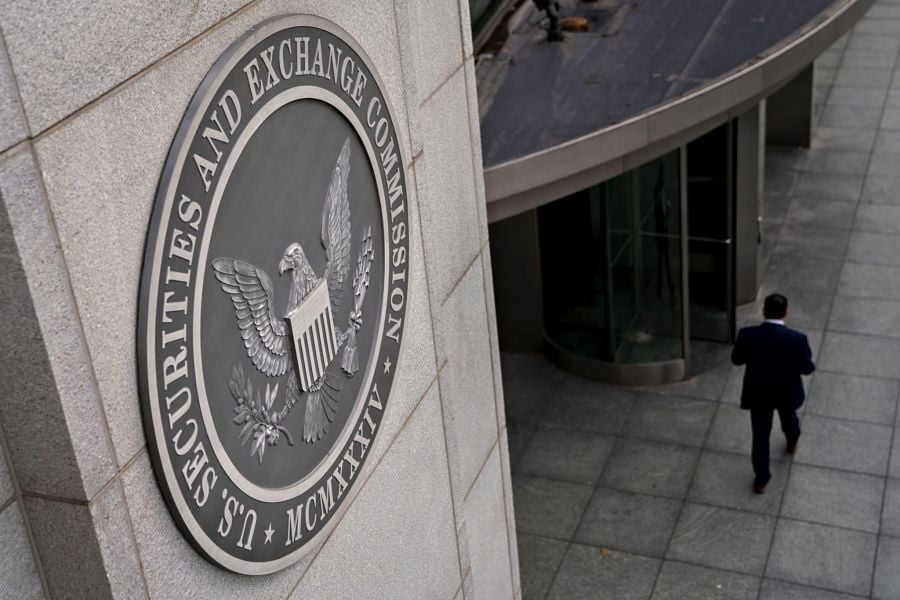
That’s the message from the Securities and Exchange Commission, which warned investors Wednesday about buying shares of special purpose acquisition companies based on endorsements from Hollywood actors, professional athletes and famous musicians.
The SEC highlighted that the red-hot listings, which have captured the attention of Wall Street and retail investors, can pose substantially more risks than typical initial public offerings.
“It is never a good idea to invest in a SPAC just because someone famous sponsors or invests in it or says it is a good investment,” the agency said in a statement.
The SEC didn’t name any specific celebrities. A number of stars have announced ties to the blank-check companies, including rapper Jay-Z, NBA player Steph Curry and tennis champion Serena Williams.
The SEC’s caution flag about SPACs is similar to a warning it issued in 2017 about initial coin offerings when Bitcoin and other cryptocurrencies were soaring.
The agency said at the time that investors should be wary of investing in ICOs based on celebrity pitches. The regulator later brought enforcement actions against popular icons such as boxer Floyd Mayweather and rapper DJ Khaled for not disclosing they were being paid for the endorsements.

$1.7M invested from an inheritance. Then the phone went dead.

The pre-IPO platform sold $430M in units while allegedly rigging prices behind the scenes.

A Nationwide survey finds 47% of GLP-1 users have never discussed the drugs’ financial impact with an advisor, even as many dip into savings.

The hundreds of millions of dollars from a sale of Inspired Healthcare properties does not mean an immediate windfall for investors.

Its SEC filings said one thing - a congressional probe said another.
Knighthead Life entered the market with a competitive MYGA. A strong launch earned advisor confidence and paved the way for FIAs.
As AI makes financial information more accessible than ever, Lana Hock explains why human judgment, trust, and empathy remain the qualities clients value most in a financial advisor

