

According to a federal charges Bradley Heppner, 60, received more than $150 million in payments through funneling money from GWG Holdings to a shell company.

The Citron Research founder faces securities fraud charges that could reshape how activist short sellers operate – and communicate.

Congressional hearings in March laid bare the severe doubts some lawmakers in Washington have about FINRA, the giant self-regulatory organization that oversees the securities industry.

A new pied-à-terre surcharge aims to raise $500 million a year from the city's wealthiest property owners

Judges ruled Thursday that the across-the-board import duties exceeded presidential authority under US law.

With 65% of New Jersey advisors considering relocation, the state's ABC test for worker classification rule could reshape the local advice landscape.

A six-month reporting schedule could be burdensome to financial advisors, warns Jay Dubow of law firm Troutman Pepper Locke.

One-time FSC Securities branch compliance officer awarded $750,000 of punitive damages as part of claim.

Regulators on both sides of the Atlantic are scrutinizing a nearly $2 trillion market that has thrived in the shadows – and the pressure is mounting.

Arguing New York under Mayor Zohran Mamdani "doesn't welcome success," Citadel's billionaire CEO warns punishing fiscal policies are reshaping where wealth — and business — plants its flag.

Investors say FS KKR Capital downplayed bad loans while talking up portfolio stability and dividends.

Dual initiatives target regulatory gaps while strengthening investor and franchisee protections.

The penalty, a steep discount from what the SEC originally demanded, resolves claims that Musk's late filing let him purchase shares at artificially low prices before his $44 billion takeover.

“If the court accepted UBS’s argument, it would open the courthouse doors to every losing party following an arbitration award of punitive damages,” a federal judge wrote.

He told TIAA he wasn't soliciting clients. Then three of them called the firm.

A federal court ruling has opened a narrow window for taxpayers to reclaim penalties and interest assessed by the IRS during the pandemic.

Suit claims Apollo's "no business with Epstein" line collapses against newly released DOJ files

Miles Burton Marshall faces up to 12 years in prison when sentenced in June.
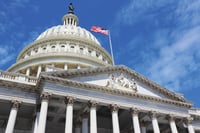
With Kalshi and Polymarket at the center of insider trading allegations, Congress is moving on multiple fronts to rein in the fast-growing industry of event contracts.

Bradley Heppner was close to $25 million over budget on refurbishing his Dallas mansion, according to contractor.
