
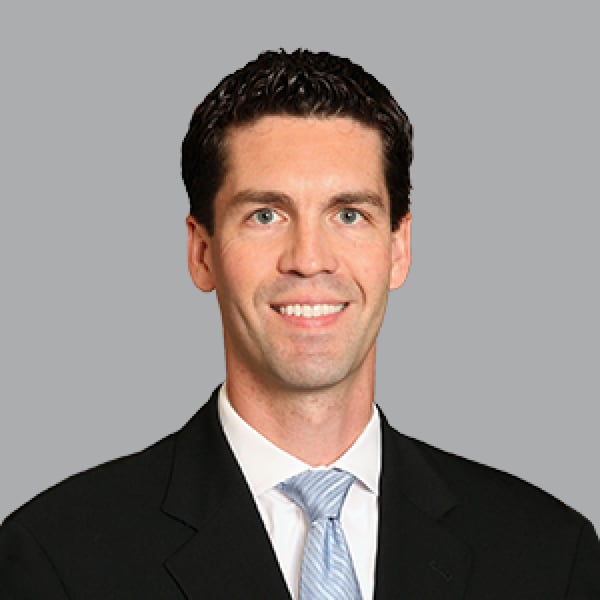
Retirement planning can feel overwhelming, but separating “the math from the emotion,” is key for advisors as they build successful strategies for their clients, says Michael Conrath, managing director and chief retirement strategist for JP Morgan Asset Management.
“Retirement planning, it's something that we see in our research, most people find it overwhelming, they find it daunting,” he told InvestmentNews. “Someone who's in this every day says, ‘Well, follow these steps, these principles and you'll be just fine’, but the reality is there's so many decisions that people have to make.”
Conrath explains that individuals have to think about savings, investments, and market volatility, all within the context of world events. There are also other key considerations, such as health care, Medicare, Social Security, and long-term care.
“And many people are trying to balance their retirement goals with other things they want to accomplish, like funding education for their children or their grandchildren, their legacy, their estate,” Conrath added. “So again, it can feel overwhelming.”
In JPMorgan Asset Management’s latest annual guide to retirement, the company highlighted generating sufficient income, managing spending volatility, and maintaining emergency savings as top concerns for retirees and those preparing for retirement. The guide, which was released in February, uses anonymized household data and proprietary research to examine key retirement trends such as spending and saving patterns.
Taking a methodical approach is key, according to Conrath. “I think one of the pitfalls is that people think they have to tackle all these things at once and you don't,” he told InvestmentNews. “If you just break it out to some steps … that's where an advisor can help you separate the math from the emotion, but bring it together in one plan.”
Conrath explained that much of his time is spent talking to advisors and he is often asked what “the ideal retirement plan” looks like. “My short answer is it's not something that's terribly complicated, but it's something that's easily explainable but also actionable, that the client on the other side of the desk can actually do something with it, they don't feel so overwhelmed.” he said. “And I think what it comes down to is marrying the math with the emotion.”
The JP Morgan retirement strategist says that clients, specifically, need to work out how much of their income they need to replace in retirement when transitioning from working and how long their money needs to last. “And then it's based on that, how much do I actually need in order to retire?” he added. “What's my number?”
As for one of the biggest challenges facing retirees and people looking to retire Conrath highlights the issue of “longevity risk."
People are certainly living longer - life expectancy for the U.S. population was 79 years in 2024, according to CDC data, an increase of 0.6 year from 2023. But plenty of people are living beyond that age - the latest JP Morgan Guide to Retirement warns that you may even need to plan for the probability even 35 years into retirement, particularly if you are a non-smoker and in excellent health.
“One of the biggest fears that many people have is outliving their assets,” said Conrath. “Living the lifestyle that you desire, but frankly that you've earned is so important - and I think that's an important part of the conversation that advisors can have as well, helping clients articulate what they want retirement to look like.”
JP Morgan has developed a framework it dubs “PUSH” for well-being in retirement guided by the principles of Purpose, Use, Socialize and Health. “If you get these things right, they can help your health and wellness, both physically and mentally,” said Conrath.
Next year’s retirement guide will have an increased focus on smaller businesses, according to Conrath. “Something that we focused on for this year that wasn't included in the guide, or at least not so explicitly, was just opportunities for smaller businesses and employees who work for small businesses,” he said.
Conrath, who himself is the son of a small business owner, described small business as a “huge backbone” of the American economy, but noted that many workers in smaller businesses don't necessarily have access to retirement plans.
Research released by JPMorgan in 2020 found that just under half of small business owners offer a retirement plan as an employee benefit, most of which are 401(k)s.
“We're looking into that because as we've been talking about this more and more, we see that people are really taking notice,” he said. “We're finding that we're having a lot of success with these conversations and we've even expanded the resources we have here at JPMorgan and hiring more people that are focused on business owners.”
“It's education, but it's also getting them excited - we're finding that people didn't realize that they can actually do this,” he added.
Conrath also had some advice for advisors’ clients given the recent surge in market volatility tied to geopolitical events, notably the Iran conflict and the closure of the Strait of Hormuz. “I would say when faced with volatility and world events, it's always a good time to check in to see where you're at,” he said. “Doesn't mean you have to make seismic shifts. But I think it's a good time.”
“And I'm not talking on a daily basis, but it's a good time to check in with your advisor or look at your 401(k),” he said, adding that plan sponsors managing or overseeing assets on behalf of employees can do the same. “It's a good time to see how my participants, my workers are allocated, how my clients are allocated.”

What if one investment decision could create tax-saving opportunities across your entire portfolio? Chris Vizzi shares how the Stacking Strategy helps investors align tax planning, portfolio construction, and wealth preservation to maximize long-term outcomes while keeping more of what they earn.

Buyers spending on AI may treat less efficient sellers as overstaffed and price the cost of rightsizing into lower offers

Kenneth Leech pleaded guilty in June to one obstruction charge, and could face six to 12 months in prison.

Launch of Direct AI follows a model portfolio tie-up with Envestnet as advisors juggle AI adoption and private-market due diligence.

Meanwhile, Cetera's streak of Commonwealth recruitment continues in Washington, and an LPL advisor hops over to Raymond James in Maine.
Knighthead Life entered the market with a competitive MYGA. A strong launch earned advisor confidence and paved the way for FIAs.
As AI makes financial information more accessible than ever, Lana Hock explains why human judgment, trust, and empathy remain the qualities clients value most in a financial advisor

