
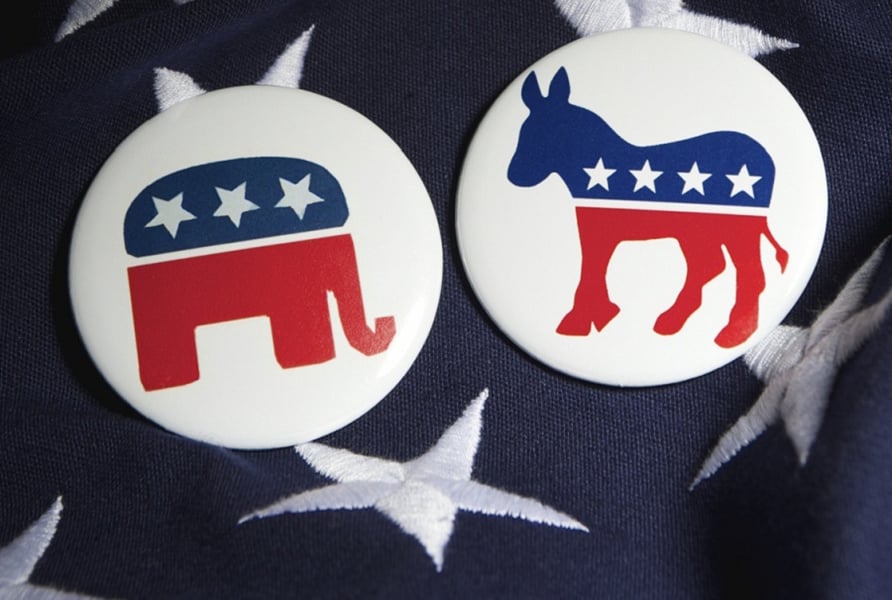
As the conclusion to the high-stakes presidential race between Trump and Harris draws closer, RIAs are becoming increasingly concerned about the near-term prospects for the economy, according to the latest RIA Economic Outlook Index survey released by Security Benefit and Greenwald Research.
Drawing from a poll of 100 advisors conducted in August, the index revealed a drop in overall sentiment on economic conditions among advisors, going from 58 in the first half of the year to 53 in the third quarter, indicating heightened worries about volatility and uncertainty.
“RIAs are shifting their strategies to accommodate for growing volatility heading into the end of the year,” Mike Reidy, national sales manager for the RIA channel at Security Benefit said in a statement. “Markets don’t like uncertainty, and that’s what we’re dealing with."
Concerns surrounding the Federal Reserve’s actions are also top of mind for advisors. Following the Fed’s half percentage point rate cut in September, nearly 24 percent of RIAs expect at least four more reductions over the next three months. As per the official calendar, the FOMC has only two meetings to go this year, with the next one expected to fall in late January next year.
Expectations of a possible recession have also risen. From the second quarter, when 42 percent of advisors saw a moderate likelihood of recession within the next year, the survey found that figure has now jumped to 52 percent.
With the election just weeks away, RIAs are focused on how the outcome could sway the markets. A solid fifty-seven percent majority of respondents believe a victory by former President Trump would boost equity markets, while 51 percent think a win by Vice President Harris will hurt stock valuations broadly.
However, despite these concerns, 86 percent of advisors reported no changes in their long-term investment strategies tied to the political campaigns. That could be reflective of the the S&P 500's long-term performance record, which has translated into a 7 percent average gain during presidential election years.
“During an election year, it’s very common for markets to experience short-term volatility due to speculation around potential policy changes,” Reidy added. “It’s important that RIAs build client strategies that look to the future and consider downside protection."

South Carolina estate planning firm joins Osaic’s IBD network, citing succession planning tools and multigenerational growth resources.

A new SIFMA and KPMG study of more than 2,100 US investors finds satisfaction high, AI-only trust falling, and demand for human guidance growing across every generation.

Retail banks and private wealth firms scored 40 in Fitch's AI stress test, signaling possible one-notch downgrade risk under an adverse scenario.

Elsewhere, Wells Fargo Advisors adds a $400 million Morgan Stanley veteran in Naples as an ex-Cetera advisor goes independent with LPL

According to a federal charges Bradley Heppner, 60, received more than $150 million in payments through funneling money from GWG Holdings to a shell company.
Knighthead Life entered the market with a competitive MYGA. A strong launch earned advisor confidence and paved the way for FIAs.
As AI makes financial information more accessible than ever, Lana Hock explains why human judgment, trust, and empathy remain the qualities clients value most in a financial advisor

