Clients looking to make a quick buck off the grain's meteoric price rise could come a-cropper.
The best-performing commodity this year may be golden, but it isn't gold.
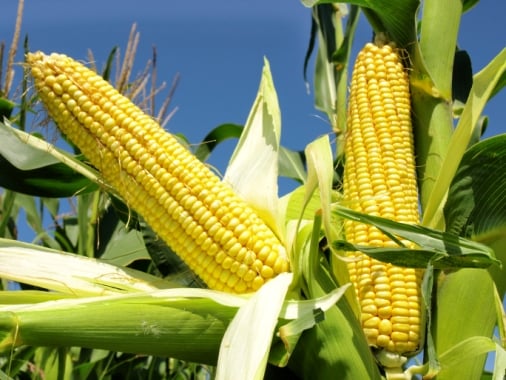
The price of corn hit an all-time high Friday as the Agriculture Department cut its forecast for this year's crop by 16.9% to 10.7 billion bushels. Analysts were expecting just over 11 billion bushels. Corn futures were trading at $8.4375 a bushel on Friday, up from $5 in mid-May.
The lowered expectations are the result of the severe drought in the Midwest, which could be the worst since the Dust Bowl days of the 1930s. Now there's a lot of uncertainty around just how much of the corn crop in the ground will survive to be harvested. “The market's on edge right now,” said Dave Kavanagh, president of Grant Park Funds.
The Teucrium Corn ETF Ticker:(CORN) has been the biggest beneficiary of the rise in prices. The exchange-traded fund, which invests in corn futures contracts, is up 21% so far this year and up 41% over the past three months. By comparison, gold is up only 2% over the last three months.
While there definitely is an opportunity for more short-term gains from taking advantage over this year's meager crop yield, the longer-term outlook for the grain isn't as bullish.
“The greatest cure for high prices," said Morningstar analyst Ben Johnson, "is high prices.”
The demand for corn, which is used in everything from animal feed, barbeque sauce, fuel, soda and bourbon, is likely to soften, thanks to the rising prices, Mr. Johnson said. Farmers, spurred on by the potential profit from high prices, are likely to be even more aggressive when planting next year's crops. That, in turn, should boost supply — assuming next summer isn't as dry and hot as this one, Mr. Johnson said.
While corn seems unlikely to keep up its blistering investment performance, there still is a case to be made for long-term exposure to agricultural commodities in general.
“This summer has really highlighted the global phenomenon that's going on,” Mr. Johnson said. “The world population continues to grow and is eating more and more.”
Emerging markets in particular have seen a steady increase in meat consumption, as the growing middle class demands a more Western diet, he said. The best way to invest in that long-term trend, however, isn't through the commodities themselves, Mr. Johnson said, but rather the companies that supply the commodities.
“The longer-term beneficiaries of these trends are the suppliers of the industry,” he said. That includes fertilizer companies such as Potash Corp. of Saskatchewan Ticker:(POT), equipment suppliers, like Deere & Co. Ticker:(DE). Of course, there's also an ETF for agribusiness exposure, the Market Vectors Agribusiness ETF Ticker:(MOO). Yes, MOO.
Be warned, though, that equities tied to commodities can be swayed by stock market volatility as much as the price of commodities.