
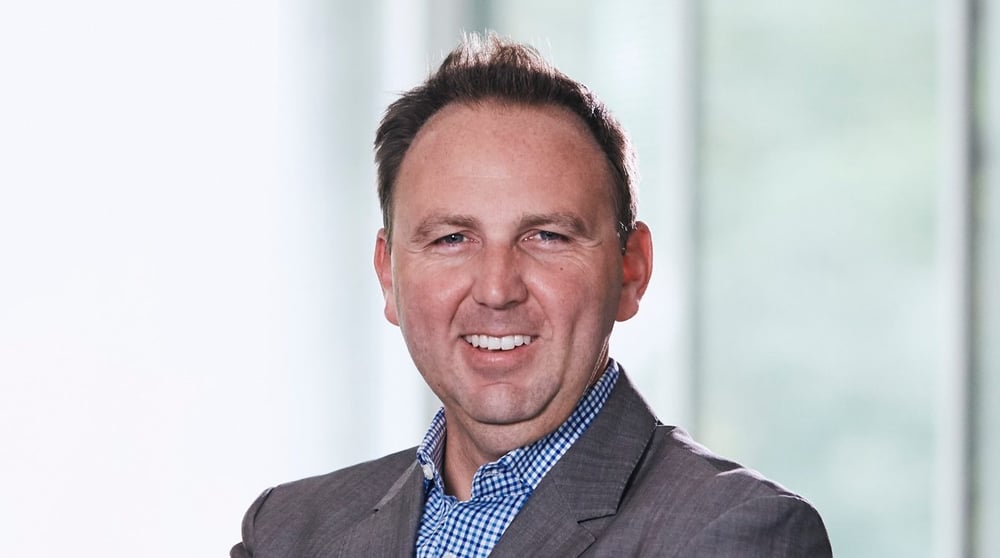
Fed policy and outlook continues to impact independent advisors and how they work with clients. InvestmentNews caught up with Jamie Cox, managing partner at Harris Financial Group, to get his reaction to recent events and how it is impacting his clientele, which is primarily from the utility and telecom industry.
JAMIE COX: I've been with LPL Financial for 20 years as an independent advisor. I concentrate on utility and telecom workers. That's the predominant share of my clientele, and interest rate policy means a lot to them, because they have pension plans which have lump-sum options, which are levered heavily to interest rates.
So I pay very close attention to the movement and rates, long and short, because it affects very much the calculation on the lump sum equivalent of their pensions.
I'm pretty convinced that rates are going to drop and all the noise that has been happening over the past couple of months of the president getting involved and talking about how the Fed chairman should cut rates. But what the president has done, and I think this was on purpose, that one of the tools the Federal Reserve has to guide interest rate policy is forward guidance, where they talk about what rates are going to do in the future. The president sort of understands that, along with his policy advisor, so he's basically just stepped into the role of providing for guidance for interest rates, saying that they're going to drop, and he saying that he's going to install someone as chairman that is going to have that happen.
Basically tells markets where the direction of interest rates is going. It's basically usurping the Federal Reserve forward guidance power. And I think that's just as effective as - he doesn't need to replace Jerome Powell in as chairman. All he needs to do is tell the markets where interest rates are going, and that's where they'll price right? I think that's his interim solution.
COX: I think that the Fed made a big mistake by not cutting rates in July. I think the market reaction was the right one - the labor market was not as strong and resilient as what the numbers indicated. The Fed has a dual mandate – they’ve been able to ignore one side of the dual mandate, which is maximum employment, but now they're not going to be able to do that.
The FOMC has been talking about the labor market deteriorating more than what the numbers suggested, and they've been proven correct and, as a consequence, this is probably going to lead the Fed to be more aggressive. But what markets had hoped is that the Fed would get ahead of it, and the labor market would not deteriorate so quickly, because what's likely to happen in the future is, if you have these heavy revisions, which basically wiped out all the job growth in the last couple of months, it's probably going to turn negative in the future.
And that's what markets are discounting right now, is that maybe the Fed sat on its steady state a little bit too long, when they could have easily cut rates twice by now and put the economy in a little bit better spot.
COX: I think the next durable theme for investors is going to be security: energy security, technology security, defense. There is going to be so much money spent on these things all over the world; those are areas of the market where investors could get paid to make good bets on at the moment...I think that's where the more enduring themes are going to be going forward.
I think it's going to be hard to price tech higher from where it is. I think it'll not drop a lot, but I don't think it's going to go "meteor" from here. I think, and with the concentration risk that has really gotten out of control here recently, in tech being such a high part of the of the S&P, I think investors need to be really careful about over-concentrating in S&P 500. They need to be doing more to diversify, because that concentration risk for their for their clients is a little bit more than they are anticipated.

The financial advice industry has been facing inquiries into its cash sweep programs for years now.

Procyon adds $415 million in assets under management in New Jersey while Savant picks up a $213 million Southern California planning firm

With a growing number of real estate-rich Baby Boomers aging into retirement, some advisors may be failing to consider all the options available for those clients' assets.

Cornerstone Advisors study reveals compliance bottlenecks stall campaigns weeks after customer opportunities close.

A father-daughter trio managing approximately $700 million joins the Atlanta-based fee-only RIA, establishing its Austin foothold.
As AI makes financial information more accessible than ever, Lana Hock explains why human judgment, trust, and empathy remain the qualities clients value most in a financial advisor
Northern Trust’s Ken Lassner shows advisors how to convert volatility into after-tax portfolio gains

