
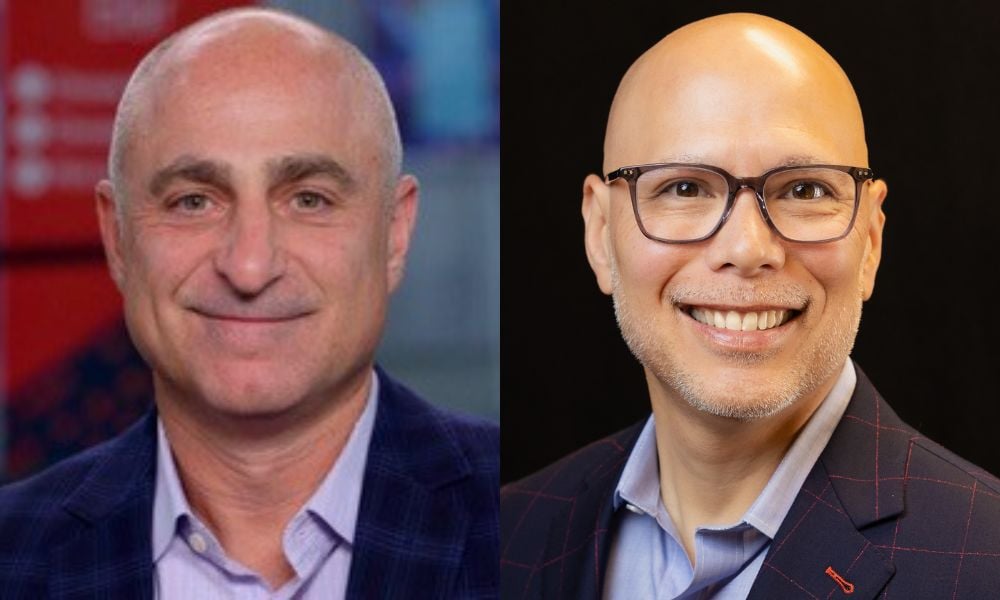
Mariner has unveiled a major update to its leadership, with two well-known names in the industry stepping in to help steer the future direction in its independent advisor division.
The firm announced Tuesday that it has expanded its leadership team within Mariner Independent, the firm’s supported independence platform, amid rising interest from advisors seeking flexible affiliation and succession options.
The Overland Park, Kansas-based RIA behemoth has appointed Rob Sandrew as head of Mariner Independent. He arrives from Integrated Partners, where he helped grow the firm’s assets from $3 billion to more than $21 billion during his tenure as chief growth officer. In his new role, Sandrew will oversee platform innovation, advisor experience, and expansion into alternative partnership structures.
“This is a pivotal time for independent advisors, and I’m proud to be stepping into a leadership role at Mariner Independent as it enters its next stage of growth,” Sandrew said in a release Tuesday. “We have a real opportunity and the capabilities to deepen the support and flexibility advisors are looking for.”
Sandrew has established himself as an authority in the RIA space, offering a well-informed perspective on the trends shaping the space as well as the market for elite advisor talent.
Also joining the unit is Verne Marble, who was named managing director. Marble previously held senior roles at Private Advisor Group, LPL Financial, and Edelman Financial Engines, bringing experience in advisor distribution and practice development.
The new hires join Mariner Independent as the platform continues to gain momentum. Launched in 2020, the business now serves over 1,100 advisors with a combined $40 billion in assets under management and advisement. Mariner said the unit plays a key role in its broader strategy to scale while offering 1099 advisors access to long-term monetization options.
Those solutions include customizable buyout offers with upfront cash, equity, and a three-year earnout tied to operating margins. Recent transactions – such as the acquisition of Ocean Heights Advisors in California – have allowed advisors to transition from an independent model into a W-2 structure while retaining financial upside.
“We’ve seen tremendous growth from our independent advisors, and it’s a clear signal that the model is working,” said Marty Bicknell, Mariner’s CEO and president. “Advisors want the freedom to run their business their way, with the support to scale and the options to monetize when the time is right.”
Bicknell added that bringing on Sandrew and Marble reflects the firm’s intent to lead in the evolving independent wealth space. “Their leadership ensures Mariner Independent will continue to be a destination for growth-minded professionals who want to remain independent without feeling alone.”
The appointments come on the heels of a notable leadership exit from Mariner. Jen Hanau, the firm’s former national managing director of independent channels, joined Cetera last week to head a newly launched RIA division focused on advisor recruitment and infrastructure growth.
As of March 31, Mariner and its affiliates advised on nearly $555 billion in assets.

Salespeople at the firm often went beyond the matching algorithm to recommend network advisors on its Zoe Wealth platform, according to the regulator.

The Protect College Sports Act would cap school payments and codify NIL rights, with implications for advisors guiding young athletes.

"I know the number that I want to be able to retire on, and now I just want out," says Wilmington Trust's Marguerite Weese, describing a common refrain among business-owner clients.

Bessemer and Brown Brothers Harriman veteran Robert Ludricks III and private markets specialist Olof Akesson join the ultra-high-net-worth push on the East Coast.

765 investors were promised 260% annual returns on truck leases
As AI makes financial information more accessible than ever, Lana Hock explains why human judgment, trust, and empathy remain the qualities clients value most in a financial advisor
Northern Trust’s Ken Lassner shows advisors how to convert volatility into after-tax portfolio gains

