
Robinhood withdraws its application to become a bank

Robinhood withdraws its application to become a bank
Startup was in regulators' cross-hairs after its failed launch of a checking and savings product late last year.
NOV 27, 2019
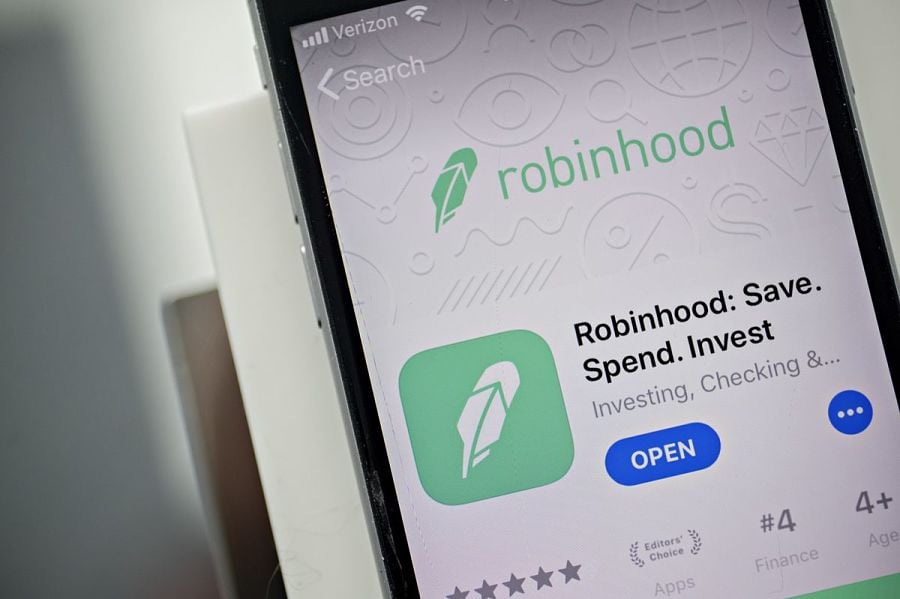
Robinhood Markets Inc. is pulling its application for a banking charter just months after starting the process, underscoring the challenges for startups trying to take on the highly regulated world of finance. The application, filed with the Office of the Comptroller of the Currency, would have allowed the no-fee stock trading company to offer banking products by itself. Right now, Robinhood would need to enter into partnerships with other banks to provide services like debit cards. A company spokesman said it has no plans to resubmit its application. "We are voluntarily withdrawing our OCC application for a national bank charter," spokesman Dan Mahoney said in a statement. "Robinhood will continue to focus on increasing participation in the financial system and challenging the industry to better serve everyone." Robinhood has been in regulators' cross-hairs after a failed checking and savings product launch late in 2018, which it announced without lining up the requisite insurance or approvals. After scrapping the product following regulatory blowback, Robinhood announced a new variation in October, slated to be called Cash Management, but it has yet to officially launch. Robinhood is not the only fintech company to apply for a charter, and fail to win one. Social Finance Inc. eventually pulled its application and Jack Dorsey's Square Inc. is still waiting to see if it's granted approval. Without the charter, the startups typically must pair up with existing, licensed banks in order to offer bank-like services on their platforms, for example checking accounts and debit cards. CNBC had reported the news of the withdrawal earlier. [More: Tech firms still want to dethrone the financial sector]

Latest News

Advisor moves: LPL, Raymond James, Brighton Jones raid the talent pool

Firms continue their quest to attract and retain the best advisor teams.

Most advisors say AI portfolio construction is worth $500 a month

A survey from TacticalMind AI found 69% of advisors say a high-quality AI platform that makes investment recommendations and constructs portfolios is worth $500 monthly, while research-only tools are valued closer to $250.

CAIS embeds Claude AI into advisor workflows for alternatives intelligence

The alts tech provider's latest integration lets advisors query fund data and surface portfolio insights without leaving their primary workspace.

FINRA puts structured product supervision under the microscope

The regulator is scrutinizing how some firms oversee concentrated positions in complex "worst-of" notes – and wants answers.

RIA moves: Beacon Pointe tops $4B in New England with latest female-founded partner firm

Meanwhile, Carson Group fully integrates a decades-old practice in Phoenix, Arizona, and Triad Wealth touts its 5x growth to hit a $2 billion milestone.

SPONSORED Beyond wealth management: Why the future of advice is becoming more human

As technical expertise becomes increasingly commoditized, advisors who can integrate strategy, relationships, and specialized expertise into a cohesive client experience will define the next era of wealth management

SPONSORED Durability over scale: What actually defines a great advisory firm

Growth may get the headlines, but in my experience, longevity is earned through structure, culture, and discipline