
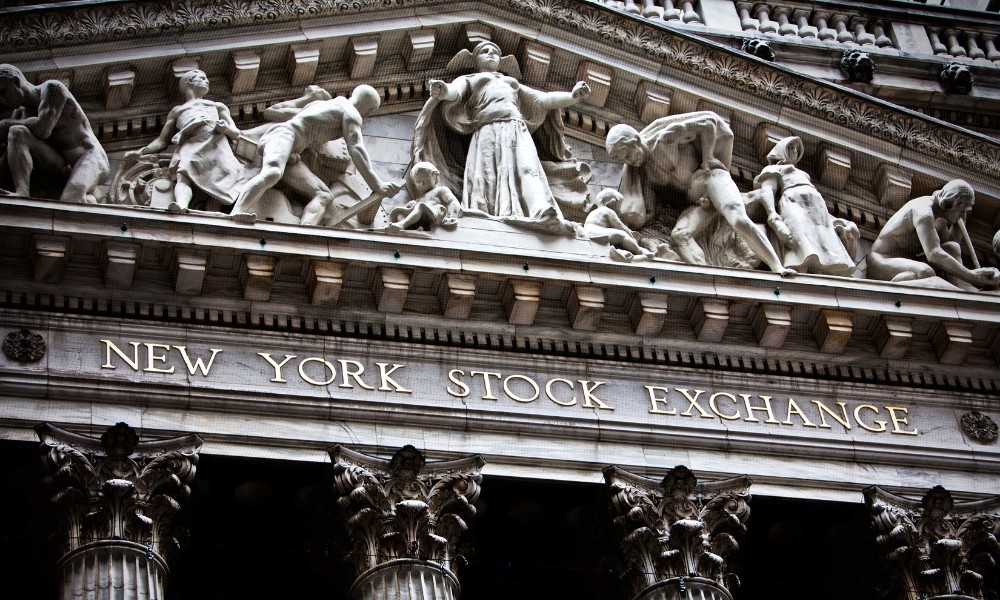
Advisors are navigating a rough week for the tech sector, which has seen stocks plunge as fears about AI’s impact send shockwaves through the market.
The software sector has taken a particular pummeling, and shares of Google parent Alphabet Inc. (Ticker: GOOG) are also taking a hit Thursday after the tech giant projected significant capital expenditure growth in 2026 that exceeded Wall Street’s expectations.
Set against this backdrop, key indexes such as the S&P 500 and the Nasdaq have tumbled. Such is the scale of the selloff that Bloomberg has characterized the week’s events as a trillion-dollar tech wipeout.
Further adding to the gloom, payroll processing company ADP pointed to a lackluster hiring market in its latest private sector employment report.
But advisors, and their clients, are looking far beyond this week’s turmoil. Eric Taylor, president of wealth management firm Tompkins Financial Advisors, told InvestmentNews that the tech selloff has prompted some clients to get in touch. “Certainly, we have clients asking about it, but that would be the minority,” he said. “The majority have been through these ups and downs.”
In a similar vein, Taylor said that his company’s strategy is built around clients’ long-term needs, as opposed to a specific event, such as this week’s tech upheaval. “We tend to be much more longer term in nature, really trying to work with clients on their planning needs with are longer term,” he said.
Nonetheless, technology stocks have clearly been feeling the pressure. The Dow Jones U.S. Technology Index is down more than 3% this month and the NASDAQ-100 Technology Sector Index is down around 6%.
Jeff Krumpelman, chief investment strategist and head of equities at Mariner told InvestmentNews that the pullback in technology is not surprising at all. Rather, it is in sync with what he describes as RAD, or 2026 as the year of “Risk Awareness and Diversification 2.0.”
Krumpelman notes that, in the final months of 2025, it was healthcare, industrials, and financials that outperformed and led, not technology, and Mag 7 stocks have underperformed from Fall 2025 through the present. “This year Energy has joined this pack in broadening leadership,” he added.
“It's not that we are negative on technology; we think Mag 7 and tech will still perform solidly in an absolute sense through the full year, yet some of these other sectors will catch up a bit and perhaps show better performance in a relative sense,” he added. “In other words, our message is to embrace RAD this year.”
Mariner is researching how to best rebalance within its tech holdings, according to Krumpelman. It's been the semiconductor, hardware companies and hyperscalers that have led the past several years in this AI surge while software companies have bled,” he said. “This will shift; software companies will also benefit from AI, particularly as they shift from a seat-based to a query or transaction based agentic model in pricing.”

In a constant fight over control of clients, the financial advice industry has a long history of such allegations and disputes.

Retirement fintech Vestwell has hit profitability and $200 million in annual recurring revenue, powering savings programs for 750,000 employers and Wall Street’s biggest firms

Meanwhile, &Partners has drawn another Wells Fargo team based in Missouri, while an experienced South Carolina advisor has returned to Cetera from LPL.

Faulty Forms 1099 and account statements reportedly left some Vanguard brokerage customers overpaying or underpaying taxes for over a decade.

The democratization of ETFs cuts both ways
As AI makes financial information more accessible than ever, Lana Hock explains why human judgment, trust, and empathy remain the qualities clients value most in a financial advisor
Northern Trust’s Ken Lassner shows advisors how to convert volatility into after-tax portfolio gains

