
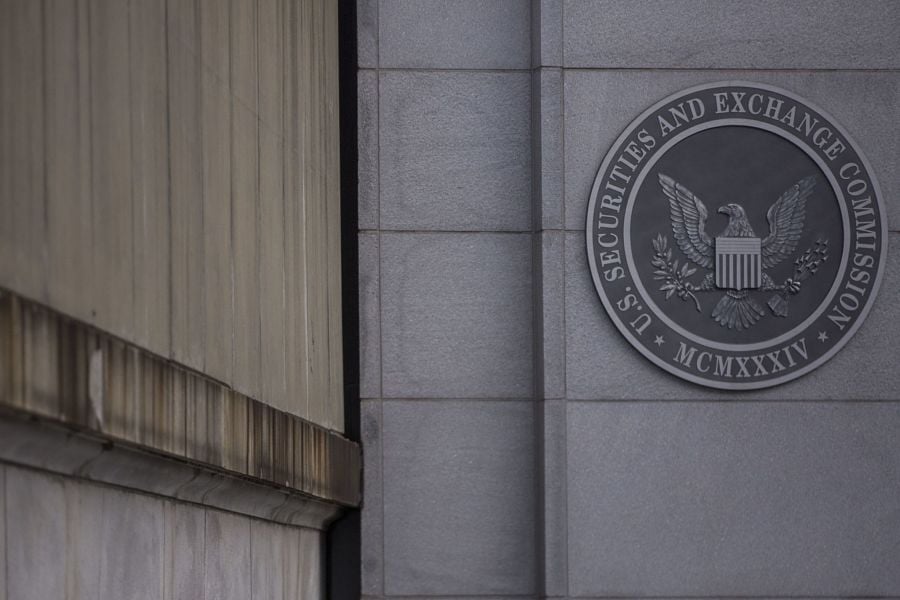
The Securities and Exchange Commission said Friday that it had reached a $50,000 settlement with a small firm in Oshkosh, Wisconsin, Carl M. Hennig Inc., for violating Regulation Best Interest from June 2020 to the start of this year and for falling short in its procedures and policies concerning the new industry sales standard.
Reg BI prohibits brokers from putting their financial interests ahead of their customers’ interests. The regulation went into force in June 2020.
Carl M. Hennig has 10 registered reps and about $1.3 billion in client assets. Thomas Harenburg, a director and owner of the firm, declined to comment about the matter. The firm agreed to a cease-and-desist order and a censure, as well as the penalty of $50,000.
According to the SEC, Hennig failed to meet Regulation BI’s compliance obligation, which requires broker-dealer firms to establish, maintain and enforce written policies and procedures reasonably designed to achieve compliance with the regulation.
The SEC also alleged that the firm fell short in in complying with Regulation BI’s conflict of interest obligation, which requires broker-dealer firms to establish, maintain and enforce reasonably designed written policies and procedures identifying and addressing such conflicts.
"Is this just a one-off case by the SEC, or will we see more like it?" asked Knut Rostad, president of the Institute for the Fiduciary Standard. "On its face value, I wouldn't put too much emphasis on this single penalty because the SEC is focusing on the firm's procedures rather than a broker-dealer not meeting the best-interest requirement, meaning putting the clients' interests first.
"That’s the type of SEC action that should get attention because that's the core of Reg BI," Rostad added.
According to the SEC, Hennig's policies and procedures didn't explain what factors or criteria should be considered and weighed when making recommendations or determining whether a particular recommendation is in the customer’s best interest; didn't give sufficient information regarding the information provided to customers, including the fees associated with Hennig’s retail brokerage services; and didn't address how and when Hennig would update and provide written disclosures to its customers.

House-passed measure would let fraud victims deduct losses and waive early-withdrawal penalties on stolen retirement funds.

Anthropic's Enterprise plan offers advisors stronger data controls — but smaller RIAs may struggle with the cost.

Partnership with DPL adds Jackson and Protective to insurance marketplace as fee-based annuities gain traction with fiduciary advisors.

Morgan Stanley is one of the leading wealth management companies in the country.

South Carolina and Bay Area advisory teams join the WPCG-backed national platform as RIA dealmaking hits new highs.
Northern Trust’s Ken Lassner shows advisors how to convert volatility into after-tax portfolio gains
Dan Biagini of American Equity says the steady decline of pensions, longer lifespans and a reset in interest rates are rewriting how advisors build retirement income

