
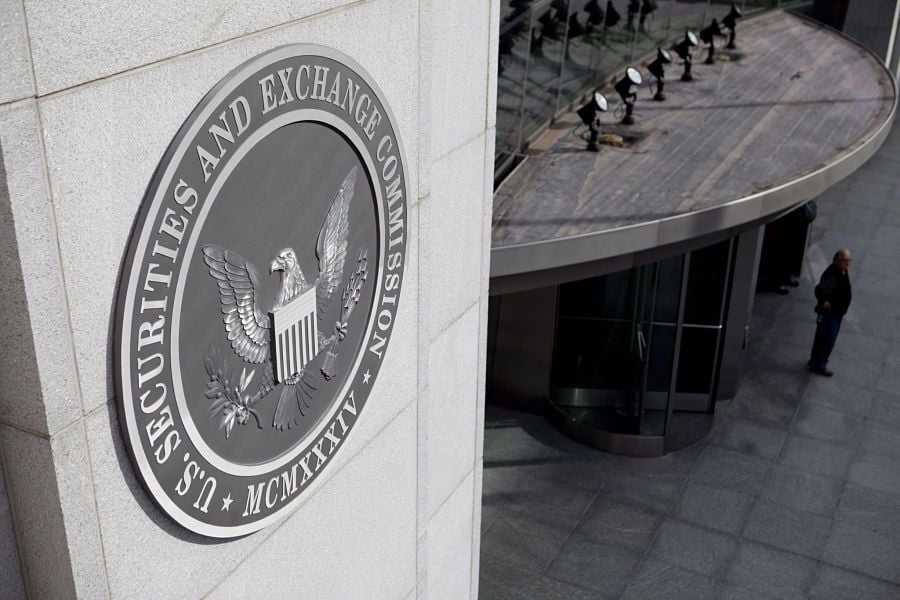
One of the SEC’s priorities over the next four years will be to enforce a best-interest approach to investment advice, the agency said in a draft strategic plan released this week.
One of the agency’s three goals from fiscal 2022-26 is “protecting working families against fraud, manipulation and misconduct,” Securities and Exchange Commission Chairman Gary Gensler said in a message accompanying the plan.
The agency will achieve that goal through enforcement.
“Enforcement … means bringing cases that matter to all parts of the SEC’s mission – whether it be deceptive conduct by registered or private funds, offering or accounting frauds, insider trading, market manipulation, failures to act in retail customers’ best interest when making a recommendation, reporting violations, best execution and failure to act in accordance with the fiduciary duty, or another form of misconduct,” the draft plan states.
Mentioning "best interest" in the litany of enforcement examples indicates that the agency will focus on violations of the broker conduct standard, Regulation Best Interest, said Kurt Wolfe, counsel at Quinn Emanuel Urquhart & Sullivan.
“That’s obviously a nod to [Reg BI],” Wolfe said. “Some firms may still not be getting it right.”
After Reg BI went into force in June 2020, the agency concentrated on obvious missteps, such as failures to file the customer relationship document, Form CRS, that was part of the Reg BI regulatory package. The strategic plan may be a harbinger of a tougher SEC approach.
“This strategic plan’s specific reference to Reg BI suggests the agency is ready to start citing more complex Reg BI issues in exam deficiency letters and charging them in enforcement actions,” Kurt Gottschall, a partner at Haynes and Boone, wrote in an analysis of the strategic plan for InvestmentNews. “In particular, the language likely signals that the SEC staff will be more closely scrutinizing broker-dealers’ care and conflict-of-interest obligations. That could include making sure that when registered representatives provide recommendations to retail customers, they fully understand high-risk products, that they have considered optimal account types, and expressly considered costs and reasonably available alternatives.”
The SEC filed its first Reg BI enforcement case earlier this year. In congressional testimony in July, SEC Enforcement Director Gurbir Grewal told lawmakers more Reg BI actions are coming.
The strategic plan also sends a message to investment advisers with its mention of “fiduciary duty,” Gottschall said. As part of the Reg BI package, the SEC issued a staff interpretation of the fiduciary duty that advisers owe clients under the Investment Advisers Act.
“The reference to fiduciary duty indicates that the SEC will continue to focus on possible misconduct by investment advisers,” said Gottschall, the former director of the SEC’s Denver office. “I expect to see a steady stream of enforcement actions related to conflicts and the duty of loyalty, but also a renewed focus on the duty of care.”
The draft plan is open for public comment.
“We can’t take our leadership in capital markets for granted,” Gensler said in a statement, echoing a comment he made in an InvestmentNews interview. “Technology and business models always are changing, and it is important for our agency to evolve in kind. Through the goals we’ve laid out in this strategic plan, we will continue to bring a skilled and steady hand to the capital markets of a changing world. We look forward to reviewing public comments.”
Government agencies must develop strategic plans every four years under a federal law. The SEC's last plan covered 2018-22 and was overseen by Gensler’s predecessor, former Chairman Jay Clayton.
Clayton and Gensler agreed on the SEC’s overarching mission but varied in their emphasis and the terms they use. For instance, Clayton uses the term “Main Street investors,” while Gensler refers to "working families."
Another difference is that Gensler emphasized enforcement to a greater extent than Clayton, Wolfe said.
“It’s interesting to see subtle differences from one strategic plan to another,” Wolfe said. “It sort of requires the commission to put on paper what its strategic priorities actually are and how they plan to achieve the agency’s mission.”

The SEC enforcement division is reportedly digging into potential conflicts of interest, valuations, and disclosure in fast-growing fund manager-led transactions.

New research shows aspiring advisors are fluent in AI — but fear firms will automate the very roles they need to learn the trade.

Edward Jones is making Carefull’s technology available to its 9 million-plus clients through its more than 20,000-strong network of financial advisors.

Many younger Americans would tap their own retirement accounts to pay for care for a loved one.

The Nashville-based RIA platform unveils a branded digital workflow solution designed to fix the onboarding gap that frustrates financial advisors.
Dan Biagini of American Equity says the steady decline of pensions, longer lifespans and a reset in interest rates are rewriting how advisors build retirement income
Direct indexing is on pace to outgrow ETFs and mutual funds. Northern Trust's Ken Lassner explains why the advisors who get it wish they had started sooner.

