
The pandemic has threatened retirement security for millions of older workers – but perhaps none have felt the sting quite as sharply as small-business owners.
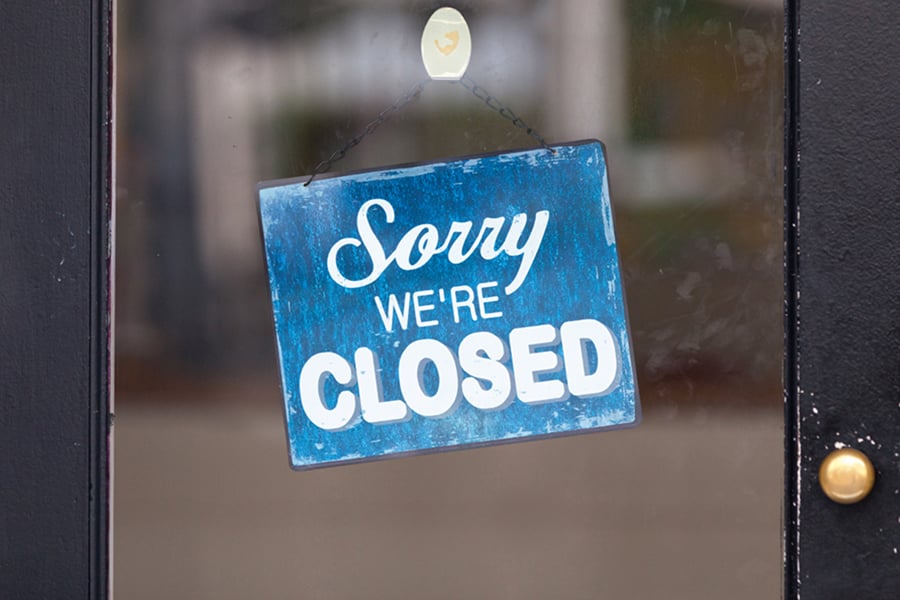
While layoffs and furloughs were common across the country last year, small businesses have struggled to stay afloat, particularly in the services industry. Some have been forced to shut down permanently – and for owners who were counting on the value of their business to fund retirement, that is potentially catastrophic.
In the food-service industry alone, 110,000 businesses, or 17% of all U.S. restaurants, have closed long-term or permanently, according to figures from the National Restaurant Association. Between March 2020 and January 2021, sales came in $255 billion below projected levels, and employment is down 20% from pre-pandemic times, the group noted.
“The vast majority of permanently closed restaurants were well-established businesses, and fixtures in their communities,” the organization stated. “On average these restaurants had been in business for 16 years, and 16% had been open for at least 30 years.”
Small-business owners across industries who are nearing retirement have said they are worried about their financial security. A survey from TD Wealth last year of 1,300 people with at least $100,000 in investable assets found that 60% of baby boomer small-business owners are concerned about how an uncertain economy will affect their retirement. Most, 87%, did not plan on making any changes to their retirement plans as a result of the pandemic, that report noted. However, many of the people included in that survey are able to work with financial advisers, which has helped in their retirement preparations.
Nearly a third of business owners said that they will rely on retirement savings plans, and about 14% said they will heavily on Social Security. Only 6% said they planned to fund retirement primarily through dividends or payouts from their businesses, according to TD.
Curiously, Gen Z (ages 18 to 23) and millennial (24 to 39) business owners were the most likely to change their retirement plans in response to the pandemic, at 41% and 23%, respectively. Only 13% of both Gen X and boomer business owners said the same.
A separate recent survey from the company found that 10% of U.S. households have been affected by layoffs, furloughs or having hours cut.
Advisers say few of their clients with small businesses are in bad shape.
“We have been amazed at how almost none of our clients, families or businesses have been impacted by Covid-19 financially,” David Demming, president of Demming Financial Services, said in an email. “It is actually an indictment of the concentration of industries negatively impacted.”
One reason why some business owners haven’t seen their retirement savings harmed is “they don’t have any,” Craig Cowles, founding partner at Mergent Group, wrote.
“Their largest asset in their lives is their business value. I know several owners that have had to sell, but not because their business was not viable, it’s because they are always on the entrepreneur’s carousel,” Cowles said. “The business was not in shape before the pandemic. The pandemic just revealed the real problem.”
This article is part of a series of special reports appearing in the March 15, 2021, edition of InvestmentNews.

A Nationwide survey finds 47% of GLP-1 users have never discussed the drugs’ financial impact with an advisor, even as many dip into savings.

The hundreds of millions of dollars from a sale of Inspired Healthcare properties does not mean an immediate windfall for investors.

Its SEC filings said one thing - a congressional probe said another.

Sham agreements allegedly padded revenue by 345%.

"Most pre-retirees are uncomfortable making key retirement income decisions without an advisor's help," said Chris Bailey of Cerulli.
Knighthead Life entered the market with a competitive MYGA. A strong launch earned advisor confidence and paved the way for FIAs.
As AI makes financial information more accessible than ever, Lana Hock explains why human judgment, trust, and empathy remain the qualities clients value most in a financial advisor

