
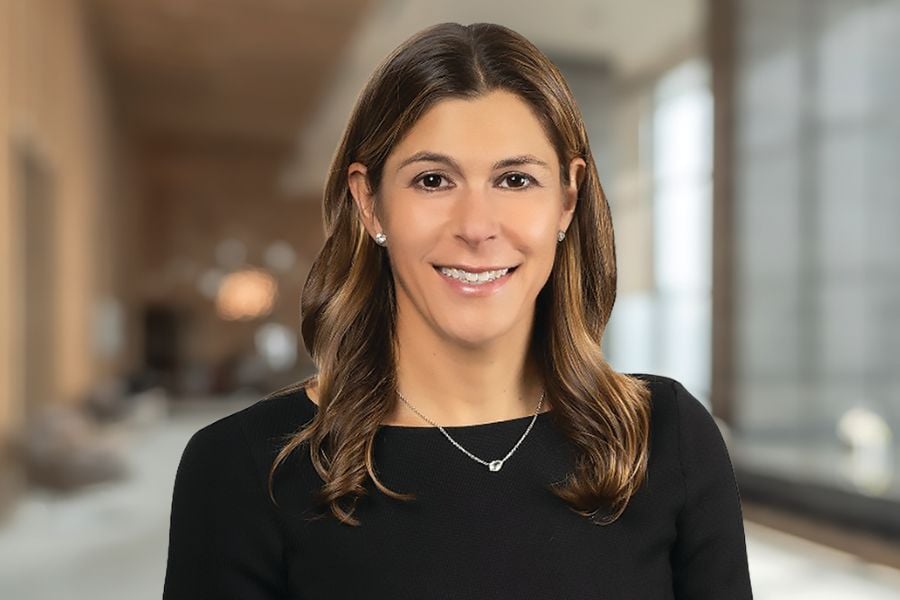
In an industry marked by constant change, Julie Fox’s priority has always been going beyond the metrics. She says her aims center around delivering best-in-class financial services to high-net-worth and ultra-high-net-worth clients through the firm’s talented and productive financial advisors.
"It's more than just investing; it's about advice beyond investing,” Fox says.
As the Philadelphia and Washington, D.C., market executive at UBS Private Wealth Management, Fox leads a team of hundreds of financial advisors who work with clients on everything from financial planning, wealth management, and estate and legacy planning to philanthropy. Her advisors approach financial planning through three critical categories: liquidity, longevity, and legacy.
"These categories provide a framework for a clear understanding of a client’s wealth and what they want to accomplish,” Fox adds. “Creating and preserving client wealth is the focus, while also acting as a financial sounding board for our clients as they go through life.”
That paradigm has remained front and center over Fox’s 21-year career with UBS. Looking forward, she sees an increasing use of technology to help advisors better serve their clients.
To stay ahead, UBS is investing in technological innovations that support advisors’ needs and help them deliver richer client experiences at scale. One way UBS is doing this, Fox says, is through the firm’s Smart Technologies and Advanced Analytics Team, or STAAT, and a new analytics platform that provides advisors with forward-looking data driven by artificial intelligence to help them better understand their clients’ investments, life goals, and upcoming milestones. For example, if a client is expecting a baby or plans to purchase a new home, this technology enables advisors to have the data and information to work effectively with their clients.
Technology is also playing a role in helping financial advisors expand their businesses.
“Financial advisors used to rely heavily on cold calling to build their businesses, but now we are seeing advisors utilize technology, content, social media, and public relations to build their businesses and attract more clients,” Fox says. “From a management perspective, we want to provide our advisors with everything they need to be successful in building their practice. This is something I think about every day.”
Financial advisors have been very busy over the past two years, especially given the stock market’s volatility, which has been driven by both the Federal Reserve’s efforts to tame inflation and growing geopolitical tensions.
“During times of stock market volatility, it’s important for clients to be kept in the loop on what’s going on, and that’s exactly what our advisors have been doing – proactively reaching out to clients to keep them informed,” Fox adds. “Advisors have been working with clients tirelessly to help them navigate the stock market’s swings, rising interest rates, and inflation.”
Outside of the market, Fox underscores the importance of mentorship and building strong teams, and extends her commitment to mentorship beyond the organization. As the co-founder and co-chair of the Philadelphia location of 100 Women in Finance, she emphasizes the value of connecting women across different career stages.
“Attracting key talent to an organization is critical,” she says. “I've hired internally and externally to shape the right team, and have a diverse talent pool. There’ve been several people internally whom I’ve been able to bring up through the organization, and it’s been extremely rewarding to watch people grow and help them develop their careers. My work in the community has played an important role in [my] being able to mentor others.”

When advisors have tech to handle meeting prep and organization, it frees up time they can reinvest more thoughtfully into helping clients.

LPL Financial and Raymond James also add independent advisors from Osaic and Edward Jones in Michigan and Arizona.

The SEC-registered RIA advises on more than $1 billion in client assets, with no advisory fee through 2027 and no human financial advisors.

95.8% of house trades were winners. For clients? The SEC says just 14.9%.

The complaint says Duolingo added friction on purpose, then lied about it.
Knighthead Life entered the market with a competitive MYGA. A strong launch earned advisor confidence and paved the way for FIAs.
As AI makes financial information more accessible than ever, Lana Hock explains why human judgment, trust, and empathy remain the qualities clients value most in a financial advisor

