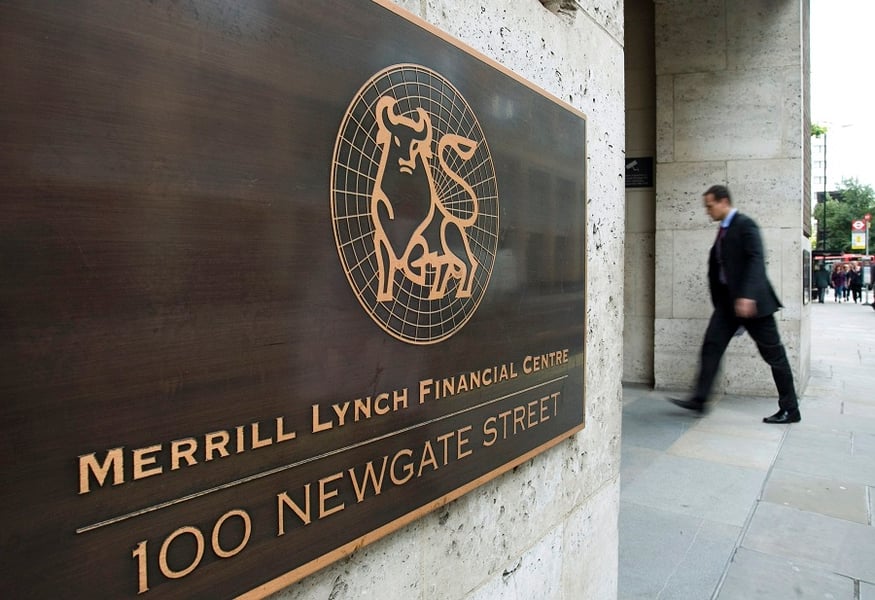
Merrill Lynch has fired another top broker, this time over problems regarding the alleged improper use of his expense account.
Merrill fired Sandy Galuppo, who had been with the firm since 1995 and reportedly had $1.4 billion in client assets, due to “conduct including improper submission of personal expenses for reimbursement, resulting in management's loss of confidence,”
according to Mr. Galuppo's BrokerCheck report. Mr. Galuppo was terminated in October, but it can routinely take several weeks for a broker's profile on BrokerCheck to reveal that he had been fired.
Mr. Galuppo, who worked out of a Merrill office in Boston, had been ranked by industry publications as a top adviser at Merrill Lynch. In 2013, Barron's magazine listed him as one of the top advisers in Massachusetts.
And Wealthmanagement.com this year rated Mr. Galuppo as a top wirehouse adviser.
AdvisorHub.com last week first reported Mr. Galuppo's termination of employment.
A spokesman for Merrill Lynch, William Halldin, said the firm declined to comment. Mr. Galuppo could not be reached to comment.
In the past it was unusual for firms to fire star brokers such as Mr. Galuppo; the tradition had been to quietly smooth over any differences and keep the broker producing revenue under extra supervision by the branch or home office. In an era of heightened scrutiny from the states, Securities and Exchange Commission and the
Financial Industry Regulatory Authority Inc., that appears to be changing.
For example, Merrill Lynch last year fired Indiana broker
Thomas Buck, who had $1.3 billion in client assets amid a number of allegations, including failing to discuss pricing alternatives with clients. He was later barred from the industry.
And
LPL Financial in 2014 terminated
Jeb Bashaw, a former star branch manager in Texas, over allegations of “selling away,” including participating in private securities transactions without providing written disclosure to and obtaining written approval from LPL. Mr. Bashaw eventually moved to a small broker-dealer and earlier this year filed a $30 million arbitration claim, charging that LPL stole his clients in the wake of a rigged audit of his branch in September 2014 that led to his being fired.