
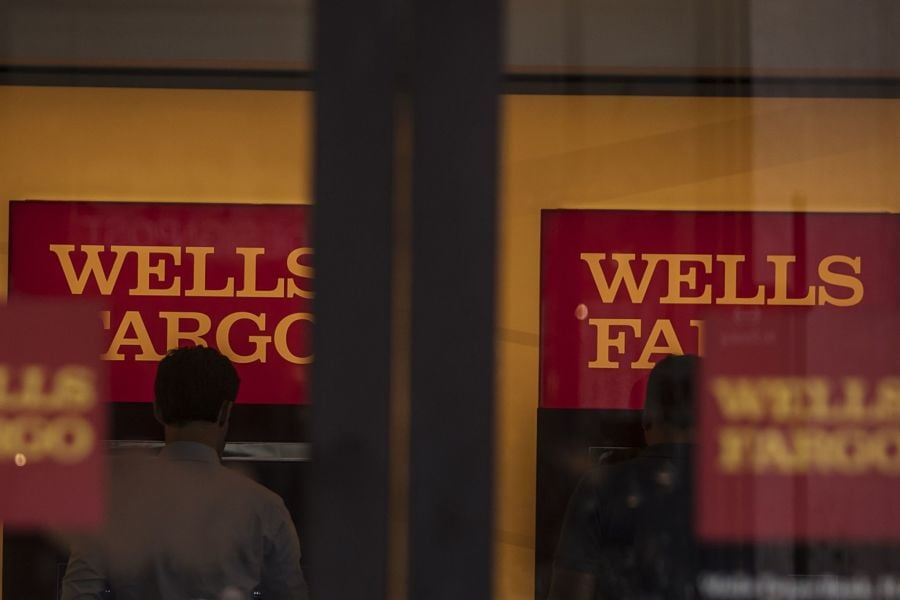
Wells Fargo & Co. agreed to pay $1 billion to settle a shareholder lawsuit that accused it of making misleading statements about its compliance with federal consent orders following the 2016 scandal involving the opening of unauthorized customer accounts.
The settlement is one of the top six largest securities class-action settlements of the past decade, according to lawyers for the investors, who on Tuesday won preliminary approval of the accord from a Manhattan judge.
The investors sued the bank in 2020 claiming that its former chief executive, Tim Sloan, and other executives made misleading statements in testimony before Congress and to investors and the media.
The investors alleged that the executives presented too rosy a scenario about their interactions with regulators, including not disclosing that their initial reform plans had been rejected by authorities.
The proceeds of the settlement will go to investors who bought Wells Fargo stock from Feb. 2, 2018, through March 12, 2020.
“This agreement resolves a consolidated securities class action lawsuit involving the company and several former executives and a director, who have not been with the company for several years,” a Wells Fargo spokesperson said. “While we disagree with the allegations in this case, we are pleased to have resolved this matter.”
The news was reported earlier by the Wall Street Journal.
The accord follows a previous settlement four years ago over the bank’s fake-accounts scandal with executives and directors valued at $320 million and a 2018 shareholder accord that cost the company $480 million. In 2020, Wells Fargo agreed to pay $3 billion to settle U.S. investigations into more than a decade of widespread consumer abuses under a deal that let the bank avoid criminal charges.
While the sales abuses had been described repeatedly in earlier probes, the 2020 settlement provided more details on the high-pressure environment that led legions of low-level employees to break the law — often costing them their jobs when they were caught by the firm’s internal controls. Many inside the bank referred to abusive sales practices as “gaming,” according to prosecutors at that time.

Elsewhere, Wells Fargo Advisors adds a $400 million Morgan Stanley veteran in Naples as an ex-Cetera advisor goes independent with LPL

According to a federal charges Bradley Heppner, 60, received more than $150 million in payments through funneling money from GWG Holdings to a shell company.

A $1B fund allegedly skimmed 30% off the top, then swapped cash for locked-up stock.

Insiders allegedly rewrote projections three times in four days.

TCI Wealth Advisors also has also tapped JIFFYAI to unify onboarding and servicing, while TradePMR adds ICE market data to its Fusion advisor platform
Knighthead Life entered the market with a competitive MYGA. A strong launch earned advisor confidence and paved the way for FIAs.
As AI makes financial information more accessible than ever, Lana Hock explains why human judgment, trust, and empathy remain the qualities clients value most in a financial advisor

