
Office address: 1700 K St NW, Washington, DC 20006
Website: finra.org
Year established: 2007 Company type: non-government organization
Employees: 4,200+
Expertise: securities regulation, broker-dealer supervision, market surveillance, enforcement and disciplinary actions, investor education, dispute resolution and arbitration, trade reporting transparency, cybersecurity and fraud detection
Parent company: N/A Key people: Robert Cook (CEO); Robert Colby (chief legal officer); Todd Diganci (CFO); Marcia Asquith (EVP); Ornella Bergeron, Denise Dombay, and Maureen Delaney (SVPs)
Financing status: N/A
The Financial Industry Regulatory Authority (FINRA) is a Washington-based self-regulatory body that supervises more than 3,200 broker-dealers. It enforces rules, monitors trading, and runs tools such as TRACE, BrokerCheck, and the consolidated audit trail. In 2024, it posted $99 million net income and unveiled a crypto education program.
FINRA was officially formed in 2007 through a strategic merger. The National Association of Securities Dealers (NASD) joined forces with the New York Stock Exchange's (NYSE) regulatory division to operate as one.
This created a unified, independent regulator for America's securities industry. The move modernized oversight for a changing market and strengthened investor protections nationwide.
FINRA's story actually began decades earlier, in an era of economic recovery. The NASD registered with the Securities and Exchange Commission (SEC) in 1939. This registration formalized what traders had been doing informally for generations.
Congress had established the SEC in 1934 following the devastating market crash of 1929. Two years later, lawmakers passed the Maloney Act to regulate off-exchange securities trading more effectively.
The NASD spent 68 years evolving to match the changing securities landscape and technology. By the early 2000s, fragmented regulatory oversight became increasingly inefficient for a modern industry.
The 2007 merger created the Financial Industry Regulatory Authority by combining the NASD's institutional knowledge with the NYSE's regulatory expertise. This unified regulator now oversees all brokers and firms across US markets comprehensively.
As 2024 closed, the Financial Industry Regulatory Authority issued substantial penalties against three major firms. These companies faced settlements for sending inaccurate trade information and filing flawed Focus reports. Year-end enforcement actions let both regulators and firms resolve lingering compliance issues cleanly.companies faced settlements for sending inaccurate trade information and filing flawed Focus reports. Year-end enforcement actions let both regulators and firms resolve lingering compliance issues cleanly.
Into 2025, FINRA's Regulatory Oversight Report highlighted three major threats to the industry. Cybersecurity vulnerabilities from third-party technology providers topped concerns alongside AI compliance challenges. Investment fraud schemes also continue to shift as bad actors devise new ways to deceive clients.
FINRA regulates broker-dealers and investment firms in America by combining enforcement with educational resources to protect investors and maintain market integrity:
The Financial Industry Regulatory Authority also addresses emerging threats like cybersecurity risks and artificial intelligence compliance challenges. The organization remains focused on supporting a healthy, trustworthy securities market for all participants.
The Financial Industry Regulatory Authority reports that investor protection and market stability form the core of its mission. The regulator values its employees and delivers market-rate compensation with benefits such as:
The Financial Industry Regulatory Authority also says that it does not discriminate in hiring based on disability, veteran status, and other protected classifications under federal, state, and local law. It complies with 41 CFR regulations protecting disabled individuals and veterans.
Robert W. Cook is the Financial Industry Regulatory Authority's president and CEO, with prior experience directing the SEC's trading and markets division. Before FINRA, Cook was a partner at a law firm in Washington. His education includes a JD from Harvard Law School, a master's degree from the London School of Economics, and an undergraduate from Harvard.
The Financial Industry Regulatory Authority's leadership team includes the following key executives:
These executives manage the Financial Industry Regulatory Authority's daily operations while upholding the organization's core mission to protect investors.
FINRA launched a targeted probe into broker-dealers underwriting small foreign company IPOs to combat pump-and-dump schemes. The regulator required detailed supervisory procedures and due diligence records for offerings between January 2023 and September 2025. This enforcement action positions the Financial Industry Regulatory Authority as a proactive market protector against cross-border securities fraud.
The organization also penalized First Trust Portfolios, an ETF provider, in 2025 with a $10 million settlement for excessive gifts to broker-dealer representatives. The violations spanned from 2018 through February 2024 and included luxury courtside tickets and concert events. This enforcement action illustrates FINRA's commitment to preventing investor harm through strict non-cash compensation oversight.

In his first appearance on Capitol Hill since being confirmed as SEC chair, Gensler also addressed ESG and the gamification of investing.
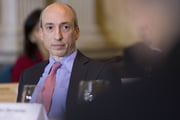
In remarks prepared for a House hearing Thursday, Gary Gensler shines a spotlight on online brokerages and market makers that dominate the business of executing retail investors' equity orders.

Employing insights from behavioral finance when putting together the trusted contact form can increase the likelihood a client names a trusted contact, according to a recent report from the Ontario Securities Commission.

Finra has allowed fully remote inspections during the pandemic, and the industry is now encouraging the regulator to make the temporary adjustments into long-term changes.

The B-D's $1.3 million settlement with the regulator involves its failure to supervise adequately a complex series of transactions involving variable annuities and whole life insurance policies.

The regulator has extended its postponement of in-person arbitration proceedings through July 2, but says it expects to resume normal proceedings in some locations as coronavirus vaccinations increase.

The independent broker-dealer, backed by Reverence Capital Partners, is suing an annuity company owned, in part, by the same private equity firm.

The analyst twice purchased securities after he learned a fellow analyst was upgrading his recommendation in impending research reports and then lied to Finra staff about his trading.
The Securities Industry and Financial Markets Association opposes the bill, saying arbitration 'promotes fair, efficient, and economical dispute resolution for all parties.'

His slim Senate confirmation margin reflects GOP concerns about the aggressive approach Gensler has signaled on issues like expanding corporate disclosures related to environmental, social and governance factors.

White paper says financial services firms must adapt to the threat or pay the price.

Society must integrate financial awareness into education, as men, and particularly women, need to improve their financial knowledge.

UBS has been hit with a rash of arbitration claims over strategies investors say damaged them, and most recently it saw a wave of investor complaints over Puerto Rico bonds and bond funds.

One bad broker making big bets or selling lousy or misunderstood products can damage or even ruin a firm. Are firms doing enough to keep those brokers and high-risk behaviors in check?

Since 2017, the firm has been on the hook for $16 million in legal settlements and restitution to clients, with the lion's share stemming from one broker's sale of alternative investments to a Native American tribe in Michigan.
