
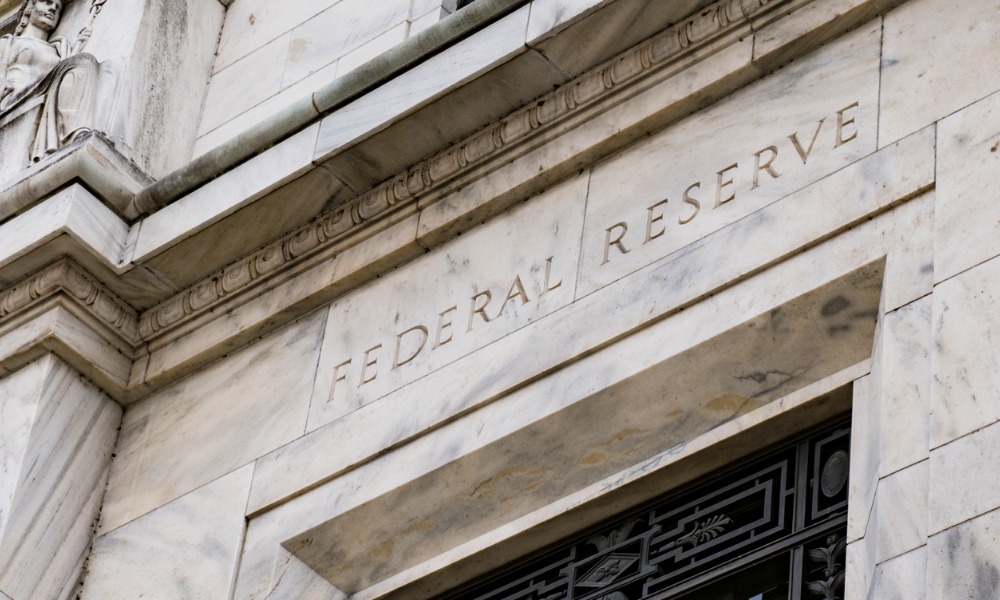
Federal Reserve governor Stephen Miran has resigned as chair of the White House Council of Economic Advisers, ending an unusual arrangement in which he simultaneously held top economic-policy roles at both the central bank and the administration.
Miran joined the Fed in September to fill the remaining months of a 14-year term that expired Jan. 31. He had told senators during his confirmation that he planned to keep his White House title because he expected to serve at the Fed for only a little more than four months. When his tenure edged beyond that date on Monday, leaders on Capitol Hill called on him to step aside from the administration post.
In a resignation letter to President Donald Trump reported first by Barron's, Miran said, “I believe it is important to stay true to my word while I continue to perform the job at the Federal Reserve to which you and the Senate appointed me.” The Federal Reserve Act allows him to remain on the board in a holdover capacity until a successor is confirmed, giving him continued influence over interest-rate decisions in the coming months.
The dual roles had drawn criticism from Democrats who argued that Miran’s simultaneous service at the White House and the Fed blurred lines that are meant to protect central bank independence. “Your extended tenure at the Federal Reserve has only compounded what was an improper arrangement from the outset, and this dual employment must end,” Democratic senators wrote in a letter pressing him to choose one job.
Miran, a Harvard-trained economist who built his career on Wall Street before joining the Treasury Department late in Trump’s first term, has consistently aligned with the president’s calls for steeper rate cuts.
At the Fed, he has dissented in favor of deeper reductions than those backed by the majority on the 12-member policy committee, even as the central bank held rates steady in the 3.5% to 3.75% range for its recent January decision.
His departure from the White House comes as Trump moves to reshape the Fed’s leadership more broadly. The president has nominated former Fed governor Kevin Warsh as his choice to replace Jerome Powell as chair and is expected to use Miran’s now-vacant seat for Warsh if the Senate confirms him.
Warsh, a veteran of Morgan Stanley and the National Economic Council, has argued that the current regime has damaged the central bank’s credibility in markets. In an interview with Barron's, he recalled advice from former Fed chair Paul Volcker, saying the job of the central bank is to get rates “about right” and to “make sure you look like you know what you’re doing.” He added that “the Powell Fed has failed on both measures.”
For advisors, the evolving lineup at the Fed raises the odds of continued political scrutiny of monetary policy, potential shifts toward more aggressive easing, and a prolonged confirmation process that could add to market volatility.
Miran himself has signaled little appetite for another high-stakes nomination fight, telling CNBC last year, “I wouldn’t wish a single time on anyone. I have no desire to go through it a third time.”

Nearly half of private firms forgo 401(k) plans even as new data ties them to higher stock option uptake among employees.

New research finds just 12% of wealth management firms have reached AI leader status, and it isn't spending that separates them

Affinity fraud refers to investment scams that prey upon members of identifiable groups, such as religious or ethnic communities.

Self-serve access to Strategic Advice Manager promises onboarding in days, as RIAs weigh how deep to take AI adoption.

Elios Financial Group joins Carson Wealth as the Omaha RIA adds to a record year of industry dealmaking.
Northern Trust’s Ken Lassner shows advisors how to convert volatility into after-tax portfolio gains
Dan Biagini of American Equity says the steady decline of pensions, longer lifespans and a reset in interest rates are rewriting how advisors build retirement income

