
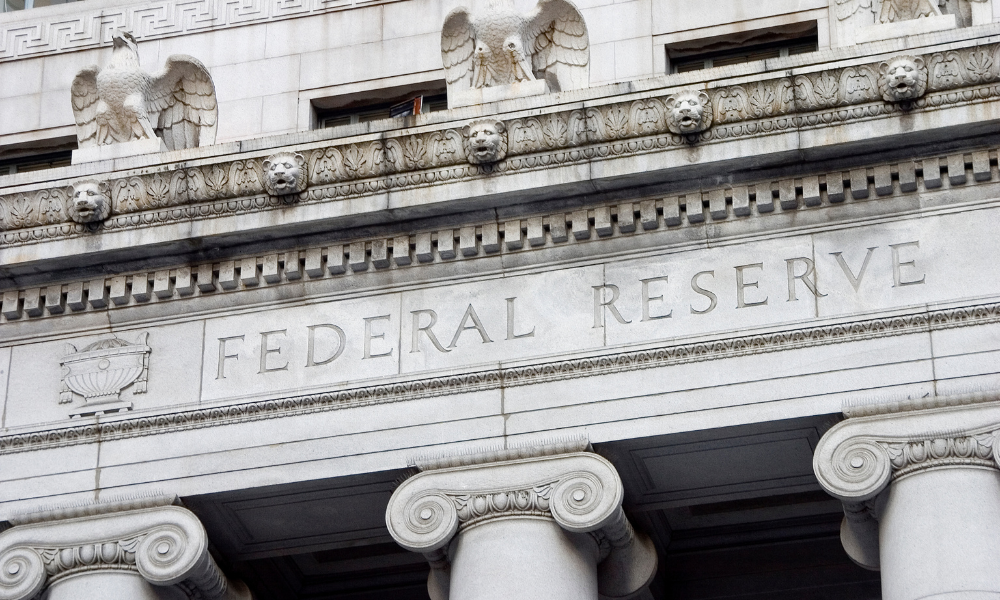
Federal Reserve officials showed a willingness to lower interest rates further this year, but many expressed caution driven by concerns over inflation at their policy gathering last month.
“Most judged that it likely would be appropriate to ease policy further over the remainder of this year,” according to minutes of the Federal Open Market Committee’s Sept. 16-17 meeting. The record of the meeting also showed “a majority of participants emphasized upside risks to their outlooks for inflation.”
Officials at that gathering voted 11-1 to lower interest by a quarter percentage point to a range of 4% to 4.25%, the first such cut this year. One official, the newly-sworn-in Stephen Miran, favored a half-point reduction and voted against the decision.
New projections released following the meeting showed officials expected two additional quarter-point cuts by year’s end, according to their median estimate. But they also pointed to division on the committee, as six of the 19 participants projected one or no cuts in 2025.
The minutes showed that a small number of officials were reluctant to support the rate cut.
“A few participants stated there was merit in keeping the federal funds rate unchanged at this meeting or that they could have supported such a decision,” the minutes said.
While policymakers noted that risks to the labor market had risen, many also felt a rapid drop in employment was unlikely.
“Participants generally assessed that recent readings of these indicators did not show a sharp deterioration in labor market conditions,’ the minutes said.
Since the September meeting, Fed governors including Vice Chairs Philip Jefferson and Michelle Bowman have raised concerns about the strength of the labor market as a reason to lower interest rates. Miran has argued that a lower than understood neutral rate of interest means the Fed needs to cut rates quickly. Trump and several administration officials have also pointed to recent data in their mounting calls for the Fed to lower rates immediately.
Federal funds futures contracts suggest investors see rate cuts likely in October and December.
Officials continued to say they would weigh risks both to inflation and employment as they considered their next move.
“Participants stressed the importance of taking a balanced approach in promoting the committee’s employment and inflation goals,” the minutes said.
The Fed held its meeting two weeks before the beginning of the ongoing government shutdown, which has frozen the release of key economic data.
© 2025 Bloomberg L.P.

Retiring RIA seller David Laidlaw alleges the Carnegie valued his stake on $11.7 million EBITA while pitching potential buyers on $21.3 million.

New tool gives RIAs and family offices AI help vetting private market deals, with some users reportedly halving review time.

Investors got projected returns dressed up as real ones, SEC says

Parents must still act to get the $1,000 federal seed and employer contributions, giving financial advisors a role in the rollout.

FINRA booted Rudy Anguiano from the industry for “conversion - the intentional and unauthorized taking of another person’s property.”
As AI makes financial information more accessible than ever, Lana Hock explains why human judgment, trust, and empathy remain the qualities clients value most in a financial advisor
Northern Trust’s Ken Lassner shows advisors how to convert volatility into after-tax portfolio gains

